Where Do Locals Eat In Seattle?
Where Seattle locals actually eat: the neighborhoods, markets and counters residents return to, and how a visitor can eat the same way.
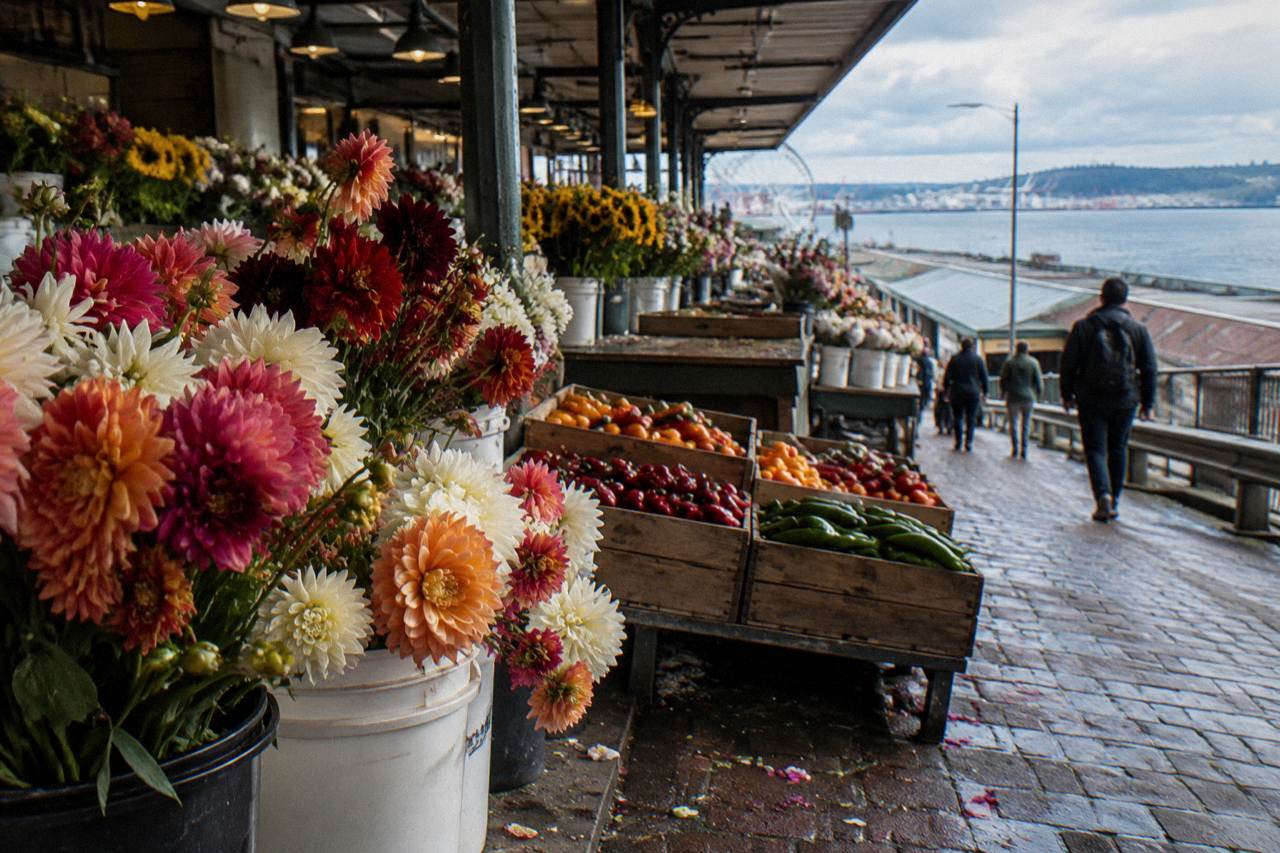
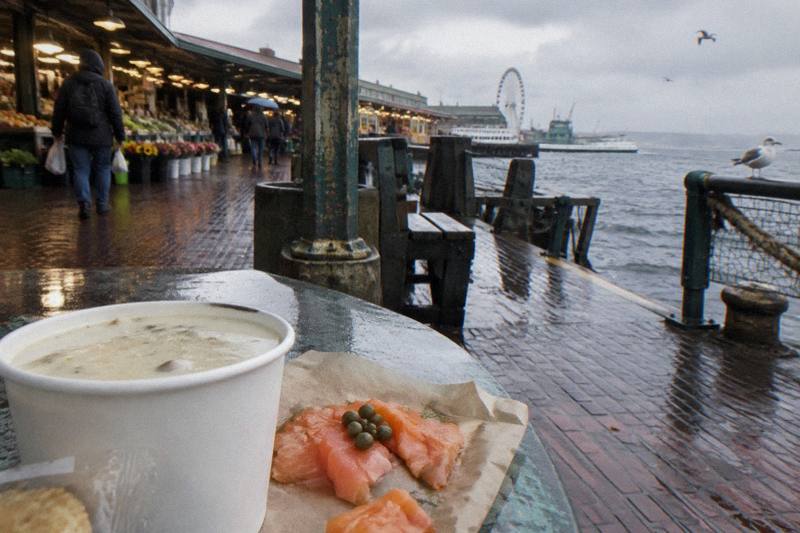
Seattle locals eat in their own neighborhoods, not the visitor core: Sunday farmers markets in Ballard and Capitol Hill, teriyaki and pho shops south of downtown, dim sum in the Chinatown-International District, coffee on Capitol Hill and breweries in Ballard. Pike Place Market still counts as local territory, but mostly before 10 a.m., when the produce and seafood stalls open at 7 a.m. and the crowds have not yet arrived.
The honest answer starts with geography. Seattle is a city of villages stitched together by water, and most residents rarely cross a bridge for dinner when their own block has a bakery, a taco truck and a taproom. A visitor who eats only downtown misses most of what the city cooks for itself. The second honest answer is timing: the same Pike Place Market that feels packed at noon on a Saturday is a working food market at 7:30 a.m., with buyers picking over salmon and cooks grabbing produce before the day starts.
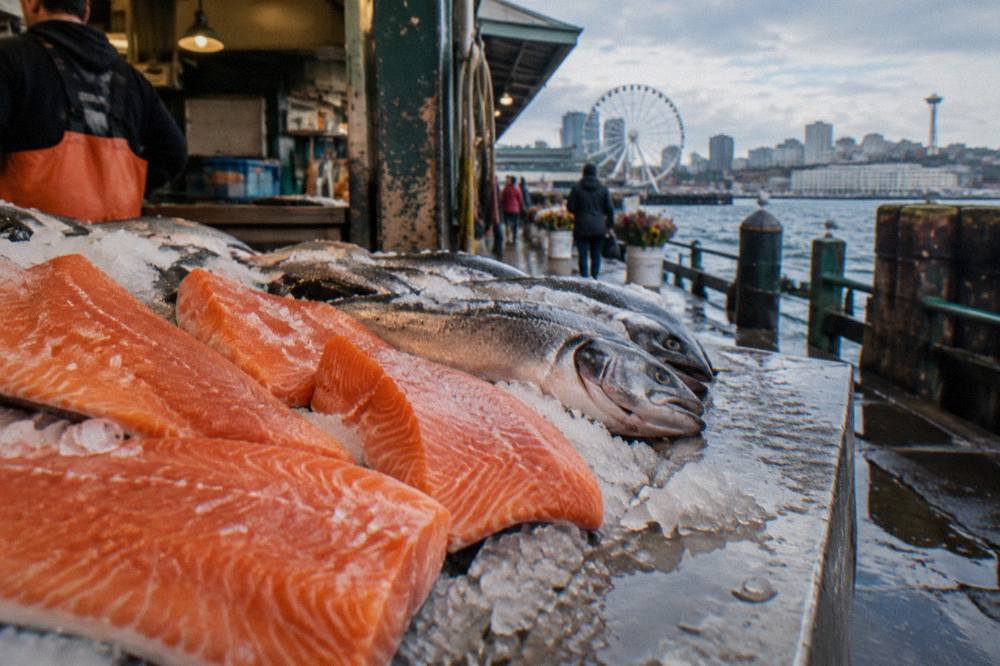
There is a third answer that surprises people who expect dismissiveness: locals do not avoid the famous places. Pike Place Market is not a trap residents surrender to tourists. It is where a lot of Seattle actually shops, especially the 450-plus residents in the Market's affordable housing and the cooks who buy their fish and produce there before service. The difference between a local's Market and a visitor's Market is almost entirely the clock. Show up at 8 a.m. on a Tuesday and you will share the arcade with shoppers hauling bags, delivery carts and dogs. Show up at 1 p.m. on a Saturday and you will share it with everyone else in the Pacific Northwest.
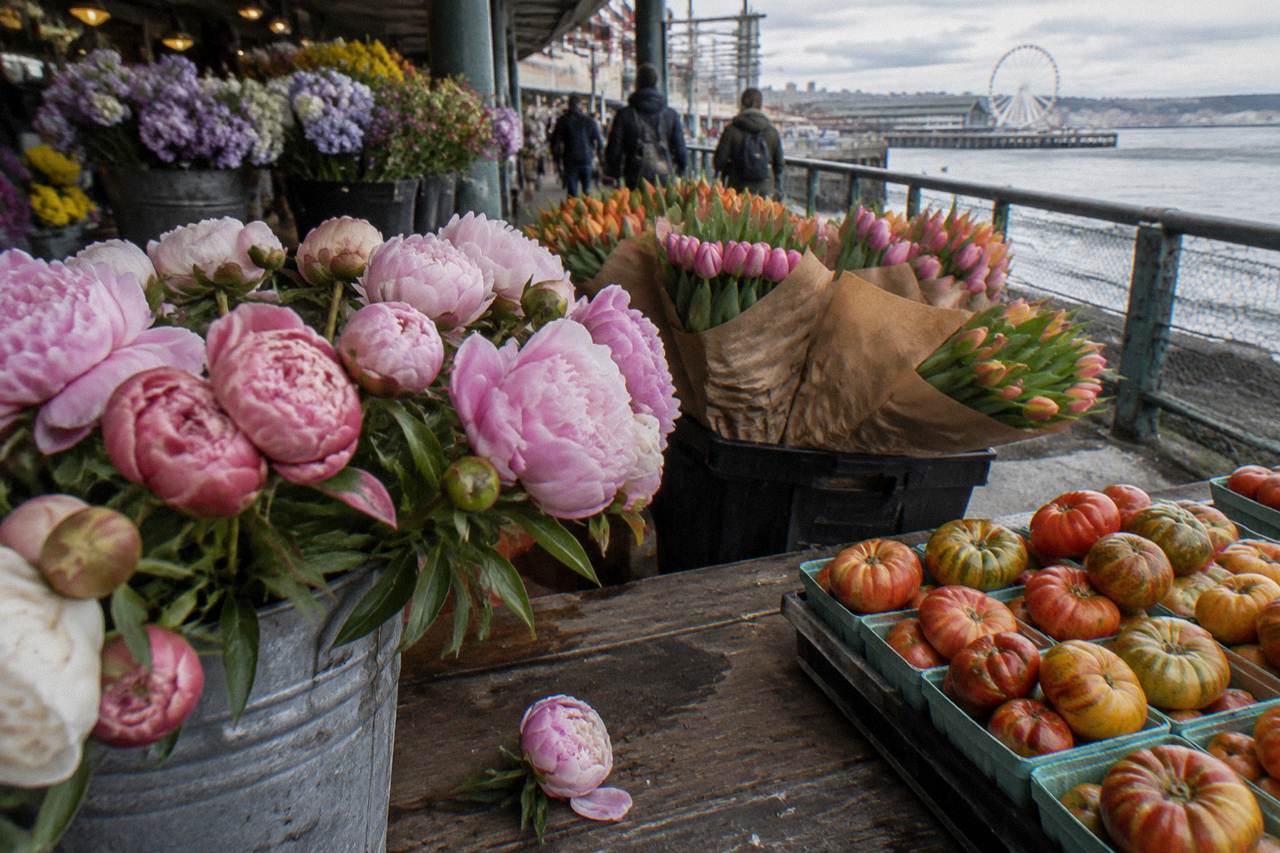
This page gives the short version of where locals eat and then routes you to the detailed guides. For the market itself, the Pike Place Market food guide covers stalls and dishes in depth. For a single walk that hits the stalls locals defend, the chef guided Pike Place walk runs two hours from the corner of 1st Ave and Pine St, from $75 per person, rated 4.9 across 4,806 reviews. And if you want to spend a whole page on the question of what the city is known for, the short food history guide explains how salmon, teriyaki and coffee became the local canon.
Which Neighborhoods Do Seattle Locals Actually Eat In?
Ballard, Capitol Hill, the Chinatown-International District and South Lake Union carry most of the everyday eating. Ballard leans seafood and breweries, Capitol Hill runs brunch through late night, the CID concentrates dim sum, noodles and markets, and South Lake Union feeds the weekday lunch crowd around the Amazon Spheres. Each has its own guide on this site.
Ballard's Sunday farmers market, running 9 a.m. to 2 p.m. year-round along the cobblestone stretch of Ballard Ave NW, doubles as the neighborhood's weekly social hour, and more than a dozen breweries and cideries sit within about a mile of it. Stoup opened there in 2013, Reuben's Brews in 2012. The Ballard food walk guide maps the bakeries, seafood counters and taprooms in walking order.
Capitol Hill eats later and broader: brunch lines on weekend mornings, a farmers market on E Barbara Bailey Way on Sundays from 11 a.m. to 3 p.m., and a late-night layer that outlasts most of the city. It is also the densest concentration of independent coffee in Seattle, which matters in a city where espresso is closer to infrastructure than indulgence. The neighborhood's mix works because nothing closes early: a bakery at 8 a.m., a bowl of noodles at midnight, and a hundred seats in between.
The Chinatown-International District is where Seattle goes for dim sum, pho and grocery runs, anchored by Uwajimaya, whose Seattle store opened after the Second World War, and by Tai Tung, which says it has operated on South King Street since 1935. Kau Kau BBQ, across the street, has hung its Cantonese barbecue since 1974, and Dim Sum King has operated in the Bush Hotel since 2009. The Wing Luke Museum, in the 1910 East Kong Yick Building since 2008, sits in the middle of it all. For the full route, see the International District food walk guide. The district grew after the Jackson Street Regrade around 1910, and its Chinatown Historic District was added to the National Register in 1986, which is why the block reads as a place with a century of continuity rather than a redevelopment.
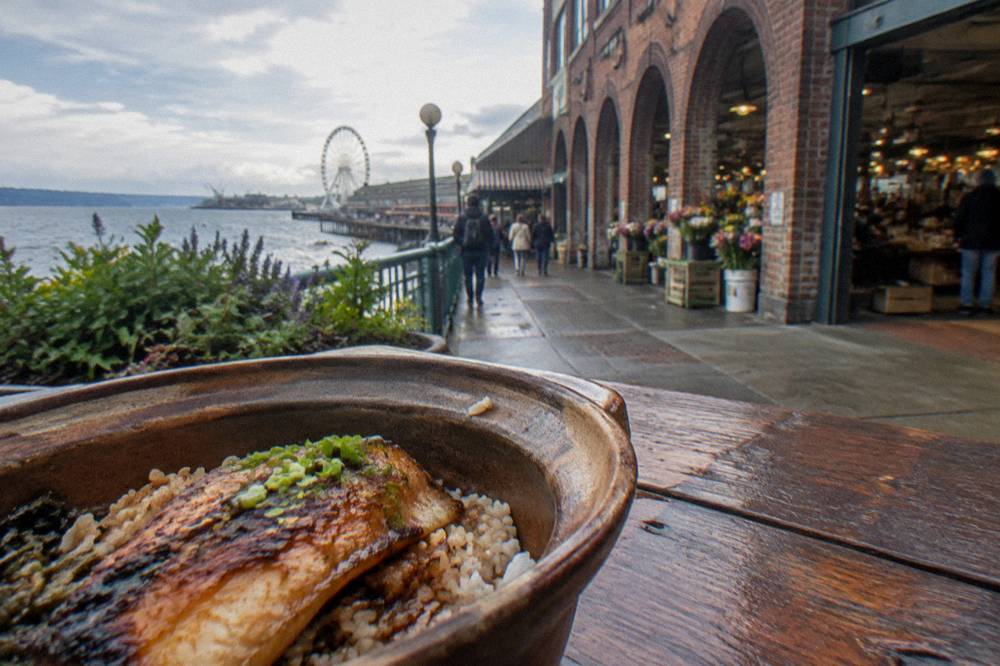
South Lake Union looks like office towers and looks like it should have no food culture, but the weekday lunch trade around the Amazon Spheres supports a dense strip of street food and counter service that empties on weekends. A two-hour Street Food Tour of South Lake Union covers the area from $80 per person, rated 5.0 across 65 reviews, moving between a masa counter, a Hawaiian-Korean truck and a bagel shop. For visitors, the lesson is scheduling: eat South Lake Union on a weekday and the neighborhoods everywhere else whenever you like.
One pattern worth noticing: locals treat these neighborhoods as weekly infrastructure, not attractions. Nobody drives across town for a bowl of pho when there is one four blocks away, and the city's teriyaki culture works the same way, which the Seattle teriyaki guide unpacks neighborhood by neighborhood.
Do Locals Shop At Pike Place Market Or The Neighborhood Markets?
Both, but on different schedules. Locals use Pike Place Market early, when breakfast, produce and seafood counters open at 7 a.m., and they use the neighborhood farmers markets on their assigned weekend day. The Market itself runs 363 days a year, closed only on Thanksgiving and Christmas, while Ballard, University District, West Seattle, Capitol Hill and Fremont each get one weekly market slot.
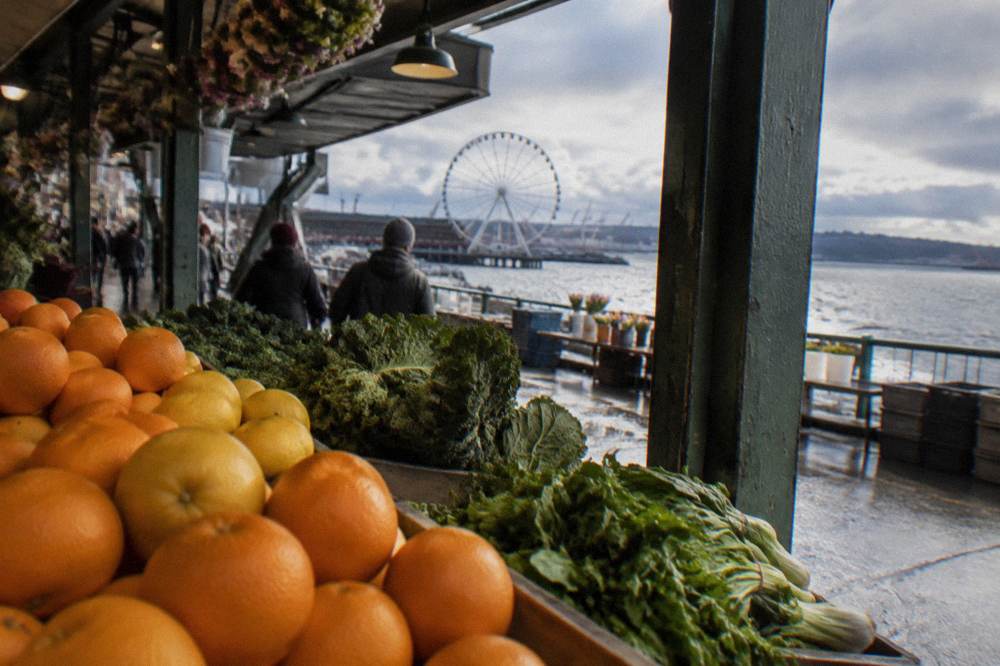
The Market's own FAQ notes that mornings before noon are generally less crowded, and that is exactly when residents shop. Fish throwing at Pike Place Fish happens when a customer buys a fish, between 7 a.m. and 5 p.m. daily, so a 7:30 a.m. visit gets the working market rather than the performance. Per the Market's own pages, it holds more than 220 independently owned shops and restaurants, more than 70 farmers and 150 to 180 craftspeople, plus 450 residents in its affordable housing, a reminder that this is a neighborhood with a market inside it, not the reverse. The Pike Place visitor FAQ carries current hours and closure details, and the plan your visit page covers transit and parking.
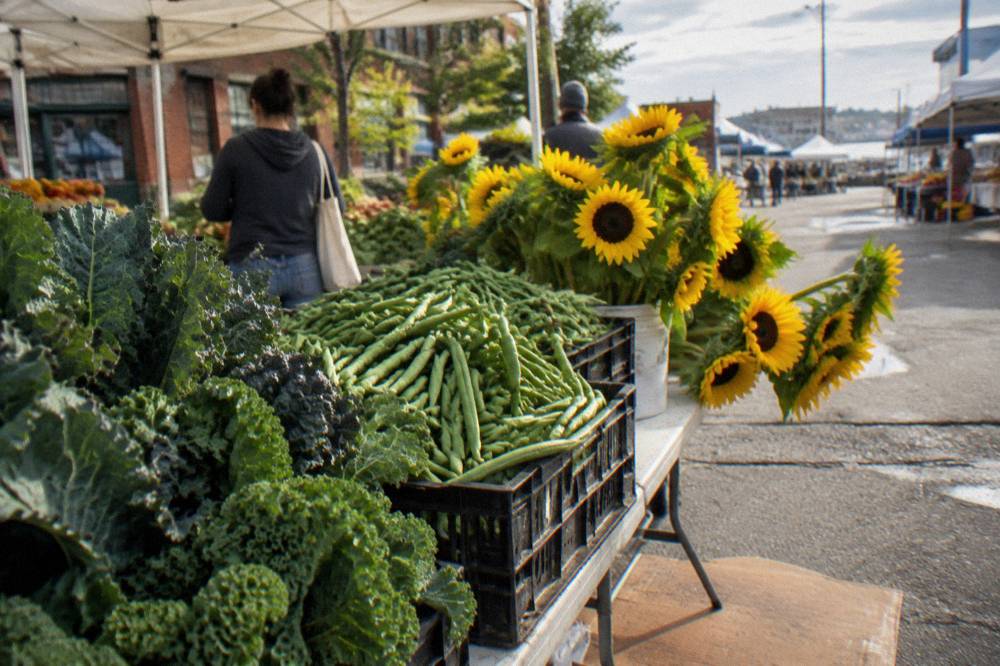
The neighborhood markets divide the week neatly, and organizer details are collected at Seattle Farmers Markets:
| Market | Day and hours | Notes |
|---|---|---|
| University District | Saturday 9 a.m. to 2 p.m. | University Way NE, year-round |
| Ballard | Sunday 9 a.m. to 2 p.m. | Ballard Ave NW cobblestones, rain or shine |
| West Seattle | Sunday 10 a.m. to 2 p.m. | California Ave SW and SW Alaska |
| Fremont Sunday Market | Sunday 10 a.m. to 4 p.m. | At the Fremont Bridge, covered and heated in winter |
| Capitol Hill | Sunday 11 a.m. to 3 p.m. | E Barbara Bailey Way, year-round |
The rhythm is the point. Saturday belongs to the University District, and Sunday splits the city four ways by which neighborhood you wake up in, so a visitor who picks the right market for their location is eating on the exact schedule the residents use. Most of them run year-round, rain included, which in November is a real commitment: NOAA's 1991 to 2020 normals at Sea-Tac put November rainfall at 6.31 inches, the wettest month of the year. Vendors bring canopies; shoppers bring the attitude that weather is not a variable.
There is a practical wrinkle for market visitors this winter: the Pike Place Street Access Project is in its third phase from October 1, 2026 to March 31, 2027. Monday to Thursday, Pike Place is shared by cars and pedestrians; Friday to Sunday between 11 a.m. and 4 p.m., access is limited to deliveries, accessibility and pre-arranged pickups at 1st Ave and Pike St. A morning visit sidesteps all of it. The farmers markets by day guide handles the full weekend planning, including which market pairs with which neighborhood walk.
Where Do Locals Drink Coffee In Seattle?
Locals drink coffee everywhere in Seattle, but the coffee identity lives on Capitol Hill and in the small roaster scene rather than at the original Starbucks. Roasters like Espresso Vivace (1988), Caffe Vita (1995), Victrola (2000) and Elm (2014) built the city's cafe culture, and Capitol Hill remains the densest stretch of serious espresso bars. The 1912 Pike Place Starbucks gets locals only as a curiosity.
The numbers say coffee is not a tourist performance here. The city even taxes sweetened drinks at 1.75 cents per ounce, paid by distributors, though a standard milk-primary latte is generally excluded, which tells you something about what the average cup looks like. The second annual Seattle Coffee Festival drew roasters and tastings to Magnuson Park on October 24 and 25, 2026, and the trade side of the industry runs its own show at the convention center in late 2027. None of that infrastructure exists for visitors; it exists because the city drinks this much coffee on a workday.
Capitol Hill is the practical answer for a visitor who wants to drink like a local. A two-hour tasting walk through the neighborhood, the Seattle Coffee Tour: Capitol Hill Coffee Culture & Tastings, starts at the Jimi Hendrix statue on Broadway, costs from $49.30 per person and carries a 5.0 rating across 833 reviews. The tour is coffee only: food and extra drinks are not included. For the wider roaster map, the Seattle coffee walk guide covers tasting flights and cafes worth a detour, the coffee cupping guide explains the tasting format, and the first Starbucks guide answers the queue question honestly.
Where Do Locals Go For Beer And Happy Hour?
Locals go to Ballard for beer and to the downtown core and Pike Place for happy hour. Ballard packs more than a dozen breweries and cideries within about a mile, including Reuben's Brews (2012) and Stoup (2013). Happy hour runs across downtown bars and Market counters, and Washington law keeps alcohol service legal until 2 a.m., with the drinking age at 21.
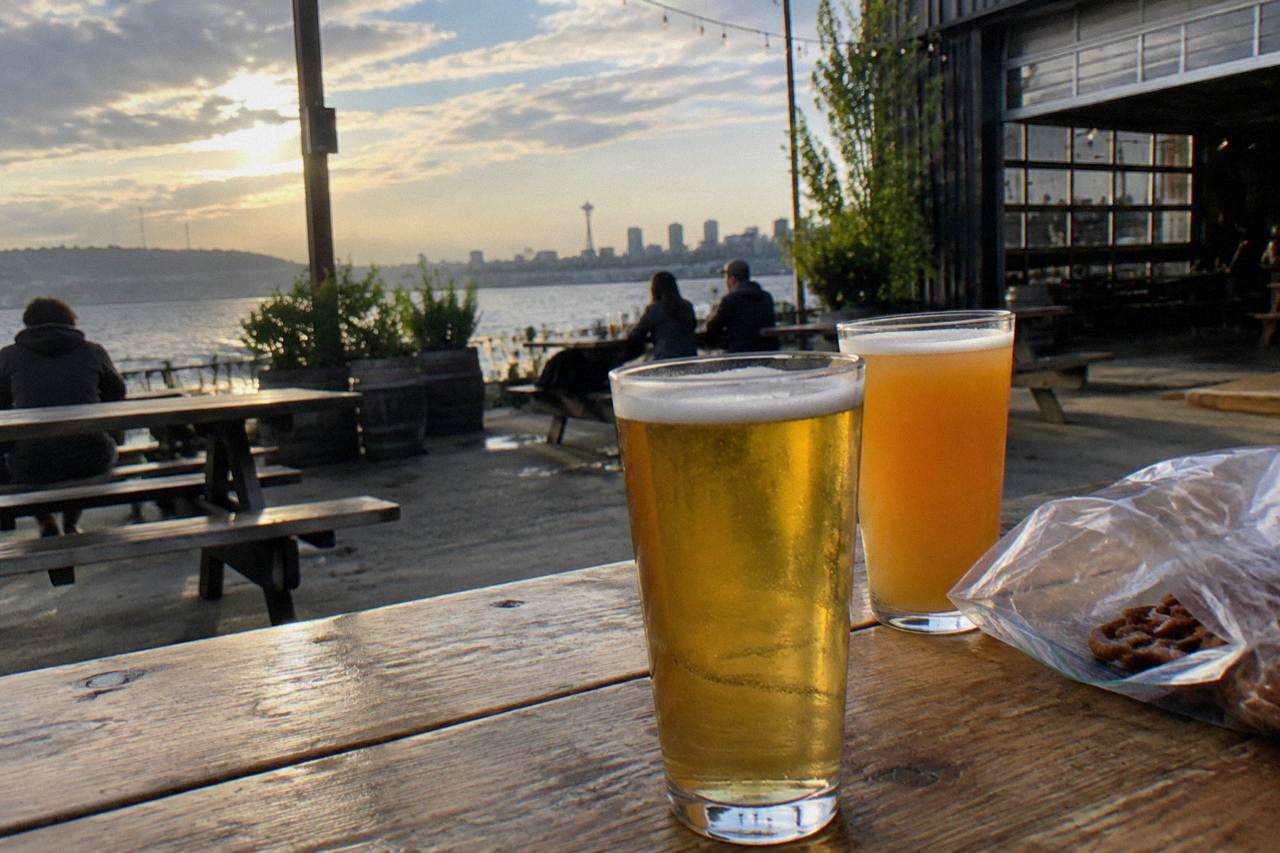
Ballard works as a walkable taproom crawl in a way few American districts do, and several breweries sit close enough that rain stops being an excuse. Washington's drinking age is 21 and sales stop between 2 a.m. and 6 a.m., so the evening has a firm shape. A structured option is the Craft Beer Tasting Tour in Ballard Brewery District with Food: two and a half hours from NW Ballard Way, from $99 per person, rated 4.9 across 29 reviews, pairing beer tastings with chicken and empanadas rather than leaving food as an afterthought. The Ballard breweries guide lays out the walk, and the broader brewery tour guide covers taprooms across the city.
Happy hour is the other local ritual. A two-hour Happy Hour Tour of Pike Place Market runs from $30 per person with snacks included, though the drinks themselves are bought by guests at a discounted rate; it is a short, cheap introduction to the Market's bars. On the downtown side, the Downtown Seattle Restaurant Tour with Drinks and Food covers cocktails and appetizers at restaurants and bars rather than market stalls, two and a half hours from $135 per person, rated 4.7 across 89 reviews. The happy hour eats guide collects the rest, including the evening-specific argument for oysters at a discount.
What Do Locals Order That Visitors Miss?
Locals order Copper River salmon in late spring, Dungeness crab in summer, oysters in the cold months and teriyaki year-round, plus geoduck when it appears. The 2026 Copper River season opened May 22, with the first fresh fish reaching Pike Place around May 27 and restaurant plates by early June. Farmed oysters are available all year, but September to April is the traditional peak for firm, briny flavor.
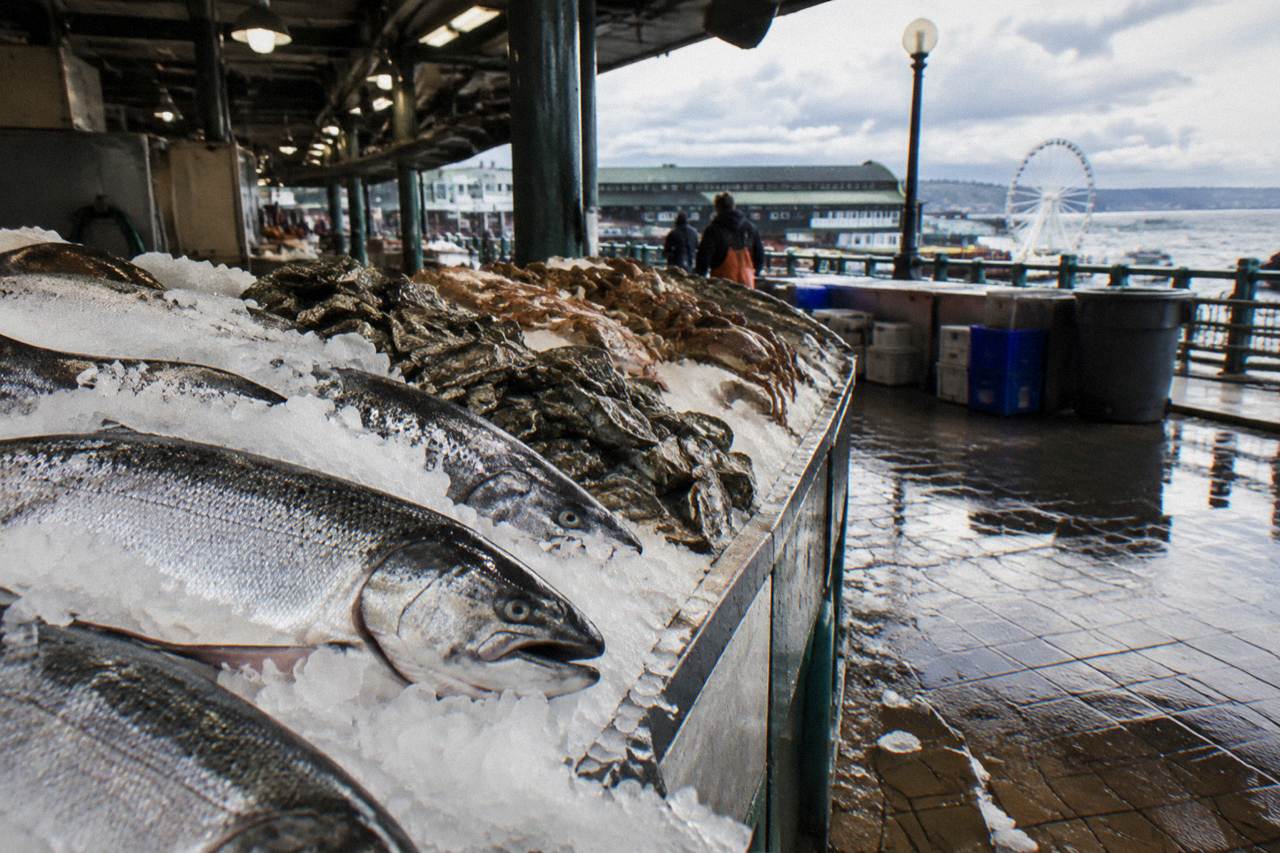
Seafood is where the local calendar and the visitor calendar diverge most. Wild Alaska brings five Pacific salmon species to Seattle counters, Chinook, sockeye, coho, pink and chum, and the Copper River arrival is treated as an event. Dungeness seasons are quota-managed and shift yearly; Seattle's Marine Area 10 recreational crabbing ran Sundays and Mondays from July 5 to September 7 in 2026, so no date is promised in advance. Geoduck, the giant clam that takes five to seven years to grow on a farm, is the deep-local pick. Taylor Shellfish farms Puget Sound, Hood Canal and Willapa Bay and runs oyster bars in the city itself. The Seattle seafood walk guide tracks all of it by season, with the oyster guide and the wild salmon guide as the owning pages for each.
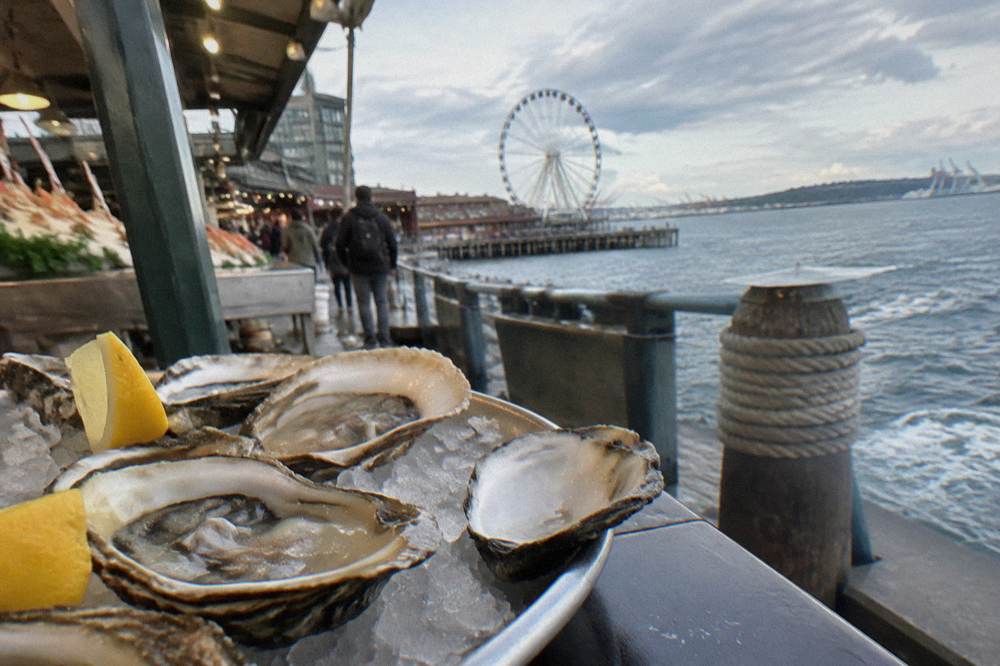
Teriyaki is the dish most visitors underweight. It is a Seattle invention in its local form, takeout chicken over rice, and it functions as the city's everyday lunch rather than a destination food. Dim sum plays the same role on weekends in the CID, and the dim sum guide covers how to order without a cart strategy. For putting a whole local day together by neighborhood, the food by neighborhood guide is the owning page.
| Local habit | When locals do it | Where this site covers it |
|---|---|---|
| Early Pike Place produce and seafood run | 7 a.m. to 10 a.m., any day but holidays | Pike Place Market food guide |
| Sunday farmers market circuit | Assigned day by neighborhood, 9 a.m. to 4 p.m. | Farmers markets by day guide |
| Copper River salmon plates | Late May into summer, when the run allows | Wild salmon guide |
| Oysters at the counter | Roughly September to April for peak flavor | Seattle oysters guide |
| Teriyaki takeout lunch | Year-round | Seattle teriyaki guide |
Can A Visitor Eat Like A Local Without A Car?
Yes, and mostly without planning. Pike Place Market, the Chinatown-International District, Capitol Hill and Ballard all sit on regular transit, with a King County Metro adult ride at $3.00 and Link light rail at $3.00 one-way; youth 18 and under ride Link free. The one trip that rewards booking ahead is a guided walk, because Market permits cap tour groups at 16 people per guide.
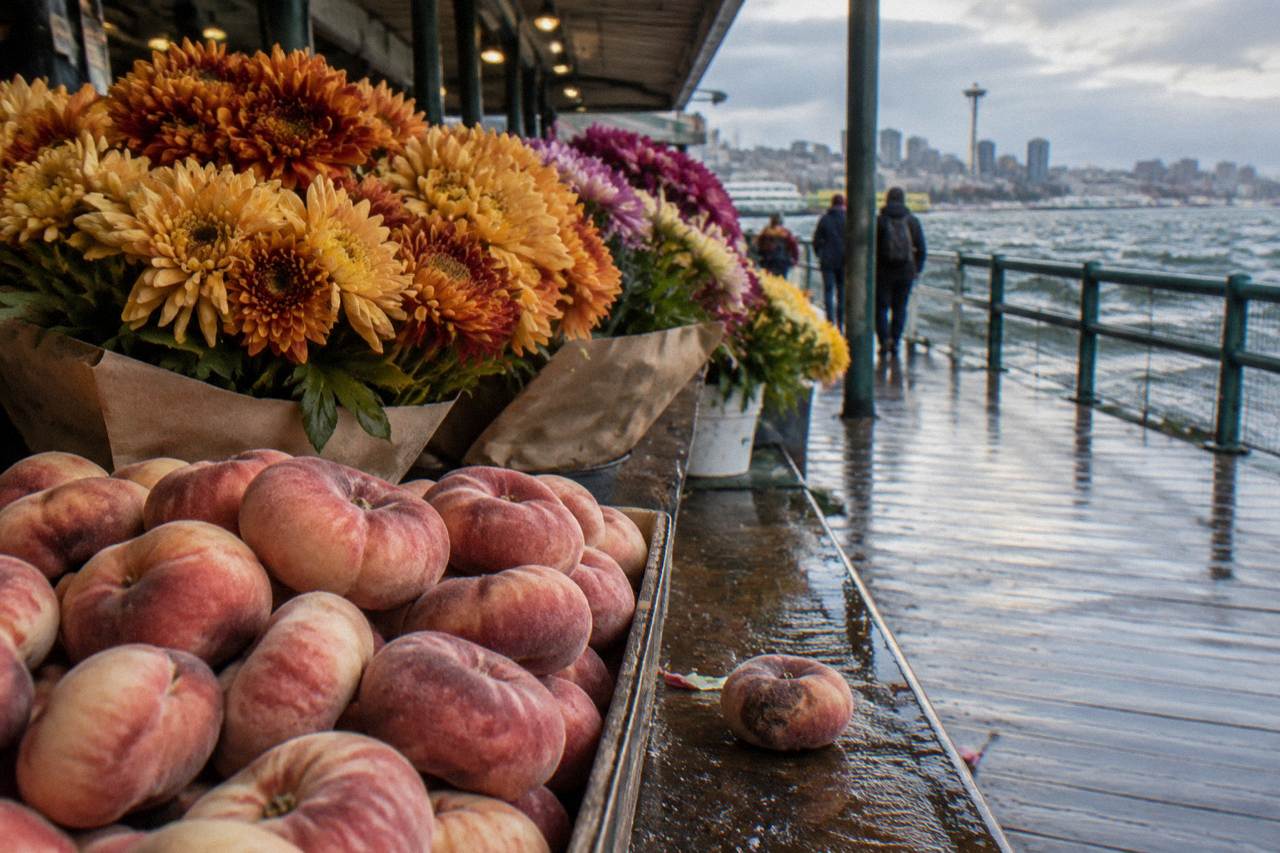
The transit math favors neighborhoods. Metro's adult fare has been $3.00 since September 1, 2025, and a regional day pass costs $6.00; current details are on King County Metro's fare page, with rail options at Sound Transit. An ORCA card or a contactless bank card taps on everything. Ballard, Capitol Hill and the CID are each a short ride from downtown, and the walkable cores mean the eating starts when you step off. The crosslake 2 Line opened March 28, 2026 per Sound Transit news coverage, which makes the Eastside reachable too, though a food-focused visitor rarely needs it.
The tour question comes down to what a permit does. Every guided group inside Pike Place Market operates under a Market-issued license, capped at 16 participants per guide, with no amplified sound and a $1 per-customer participant fee, so a booked walk is small by rule rather than by marketing. Walks like the two-hour Pike Place Market Guided Tasting Tour (from $69, rated 4.9 across 197 reviews, tips shown as included) or the 3-hour Pike Market Food Tour with 8 tastings (from $60, rated 4.8 across 129 reviews) fit that format.
Budget one practical note for restaurant meals: sales tax of 10.55 percent is added at the register, so a menu price is never the final price. Tipping is not mandated and practice varies. None of that changes where locals eat; it just changes the arithmetic at the table.
If your day is anchored by a cruise ship instead, the cruise day food plan guide solves the pier-to-market timing problem. November visitors should pack for the wettest month of the year; NOAA's 1991 to 2020 normals at Sea-Tac put November rainfall at 6.31 inches, against under an inch in July and August, and none of the markets or counters close for rain. July and August, with average highs around 77 to 78 F, are when the eating moves outside to patios and the crab seasons overlap with the good weather, if you can choose your month.
For a single decision, these three walks cover the three ways locals actually eat the city: the working market in the morning, the neighborhood cafe culture in the afternoon, and the taproom crawl at the end of the day.
Common Questions About Where Locals Eat In Seattle
Where Do Locals Eat In Seattle?
In their own neighborhoods: Ballard for seafood and breweries, Capitol Hill for brunch and late-night bites, the Chinatown-International District for dim sum, pho and markets, and Pike Place Market before 10 a.m., when produce and seafood counters open at 7 a.m. and the crowds have not arrived.
Do Seattle Locals Actually Go To Pike Place Market?
Yes, early. The Market is open 363 days a year and its breakfast, produce and seafood stalls start at 7 a.m., while most of the Market is active from about 10 a.m. to 5 p.m. Locals shop in the morning and leave the midday peak to visitors.
What Food Is Only Worth Buying In Season In Seattle?
Copper River salmon in late spring, Dungeness crab in quota-managed summer seasons, and oysters in the colder months, roughly September to April, when cold water firms the flavor. Farmed oysters and teriyaki are year-round constants.
Which Farmers Markets Do Locals Go To?
University District on Saturdays, and Ballard, West Seattle, Fremont and Capitol Hill on Sundays, most in a year-round weekly slot. Hours by market are in the table above and in the farmers markets guide on this site.
Is A Guided Food Walk Worth It If Locals Eat On Their Own?
For the Market specifically, yes: guided groups are capped at 16 people per guide by Market permit, so walks stay small, and a two-hour chef-guided tour from $75 per person covers nine vendor stops you would otherwise find by luck. For coffee in Capitol Hill or beer in Ballard, a walk simply replaces research you would do anyway.