Best Coffee In Seattle: Roasters Worth A Detour
Seattle takes coffee seriously enough that the roasters themselves have become destinations. Here is where the city's best beans are roasted, what each roaster does best, and how to string them into a day.
Short answer
Seattle's standout roasters cluster in Pike Place Market, Capitol Hill, Pioneer Square and Ballard. Starbucks opened at the Market in 1971, Espresso Vivace arrived in 1988, Victrola in 2000 and Elm in December 2014. Guided coffee walks cost from $39.99 to $84 per person and run about two hours.
Seattle roasted its reputation slowly. Starbucks poured its first cup at Pike Place Market in 1971, Espresso Vivace opened in 1988 and taught the city that espresso could be a craft rather than a commodity, and a wave of independents followed over the following decades. Today the roasters themselves are destinations: places people cross town for, and in a few cases cross the country for. This page maps the roasters worth a detour, neighborhood by neighborhood, and names what each one does best so a visitor can plan a day around them instead of stumbling into whichever cafe sits nearest the hotel.
For readers who want the thread pulled for them, three guided coffee walks cover this ground with tastings included: the Capitol Hill coffee culture tour, a second Capitol Hill walk focused on specialty cafes, and a Pike Place bean-to-cup route. All three run about two hours and cost from $39.99 to $55 per person to start. Each covers a different slice of the city's coffee geography, so the choice is less about quality, all three rate at 4.9 or above, and more about which neighborhood a visitor wants to come home talking about.
Where Did Seattle's Coffee Obsession Start?
Seattle's coffee culture began at Pike Place Market in 1971, when Starbucks opened its first store there selling whole beans, tea and spices rather than drinks. The company's oldest still-operating store stands at 1912 Pike Place, and the Market remains the symbolic heart of the scene, though the craft frontier moved to Capitol Hill, Pioneer Square and Ballard decades ago.
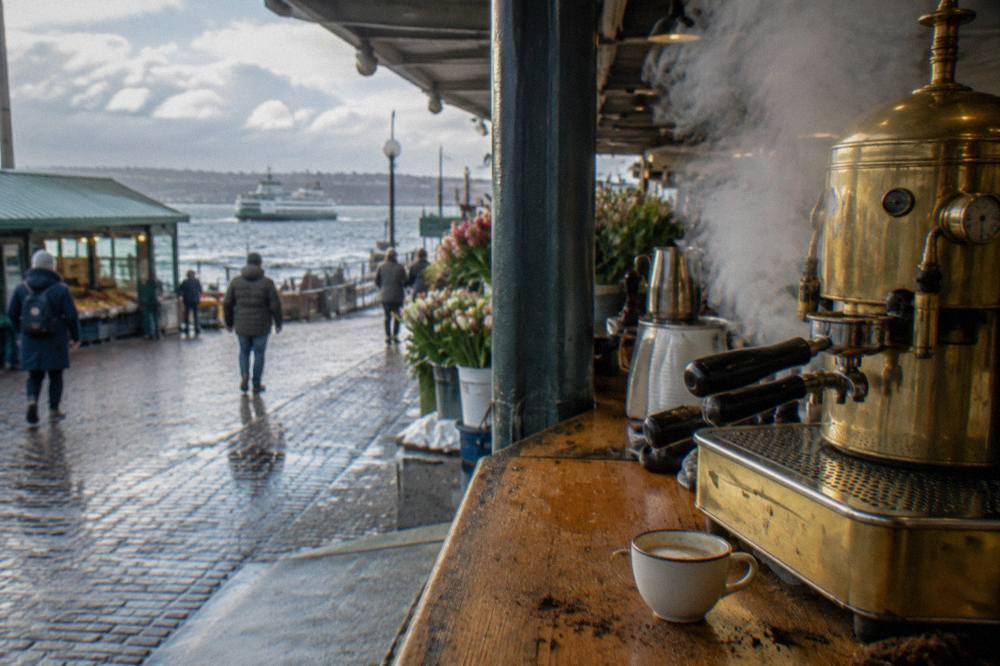
The first Starbucks did not serve beverages at all in its early years; it sold whole-bean coffee for home brewing. The espresso bar as Seattle knows it arrived later, and the person most credited with perfecting it is David Schomer, who founded Espresso Vivace in 1988 with Geneva Sullivan. Vivace remains a Capitol Hill institution and a required stop for anyone tracing the city's espresso lineage.
The next generation built on that foundation. Caffe Vita opened in 1995 and grew into a locally owned mini-chain with its own roasting operation. Cherry Street Coffee House followed in 1997 as a family-run counter, and Victrola Coffee Roasters arrived in 2000 on Pike Street, bringing the model that now defines the scene: a roaster with a cafe attached, where the beans move from drum to cup within sight of the customer. Elm Coffee Roasters, founded in December 2014 in Pioneer Square, represents the newest generation, with a lighter-touch roasting style and a spacious cafe that anchors its block.
The through-line is that Seattle coffee evolved in waves, and each wave left roasters behind that are still operating. A visitor can walk the whole timeline in a single day: 1971 at the Market, 1988 on Capitol Hill, 2000 a few blocks east, 2014 in Pioneer Square. Few American cities offer that kind of compressed coffee history on foot, and fewer still let you drink it at the source rather than read about it on a plaque.
| Roaster | Founded | Neighborhood | What It Is Known For |
|---|---|---|---|
| Starbucks (original store) | 1971 | Pike Place Market | Oldest still-operating store, whole-bean heritage |
| Espresso Vivace | 1988 | Capitol Hill | Craft espresso technique, Northern Italian style |
| Caffe Vita | 1995 | Queen Anne and beyond | Locally owned roaster with multiple cafes |
| Cherry Street Coffee House | 1997 | Pioneer Square area | Family-owned neighborhood counters |
| Victrola Coffee Roasters | 2000 | Capitol Hill | Roaster-cafe model |
| Elm Coffee Roasters | December 2014 | Pioneer Square | Lighter roasts, roomy flagship cafe |
That table doubles as a walking plan. The Market and Pioneer Square sit within a fifteen minute walk of each other downtown, and Capitol Hill is one short bus or light rail hop away. More on routing later.
Which Roasters In Pike Place Market Are Worth The Crowds?
The Market's coffee anchors are the original Starbucks at 1912 Pike Place, Storyville Coffee perched above the crowds, Anchorhead Coffee on Western Avenue, and Ghost Alley Espresso tucked near the Post Alley gum wall. Anchorhead and Storyville roast locally and pour the more distinctive cups, while the original Starbucks is a heritage stop where the queue is often the main event.
The Market is the single densest coffee district in the city, and the bean-to-cup options here are good enough that a dedicated tour exists for them. The Roasted in Seattle: Bean to Cup Coffee Tour starts at Anchorhead on Western Avenue and strings together the Market's coffee landmarks, including Storyville, Ghost Alley Espresso and Fonté on 1st Avenue, in about two hours, from $55 per person, rated 4.9 across 26 reviews. For readers who would rather move at their own pace, the same stops work as a self-guided walk, and the tour's route is easy to reconstruct stop by stop.
Anchorhead deserves its reputation. Its baristas work through a menu of espresso and filter options that rewards slow ordering. Storyville Coffee offers something rarer still: a quiet, wood-paneled second-floor room above Post Alley where the din of the Market disappears. Ghost Alley Espresso, near the gum wall, is the classic small-window espresso bar, fast and unglamorous in the best way.
The original Starbucks is a separate question. The store at 1912 Pike Place is the company's oldest still operating, though it occupies a different spot than the 1971 original and serves as a heritage site as much as a cafe. The line stretches down the block most days. Whether that line is worth it is its own conversation, covered in detail on the page about the first Starbucks and Pike Place coffee, which also maps the quieter alternatives inside the Market.
Timing matters more here than anywhere else in the city. The Market says mornings before noon are generally less crowded, and most of the Market runs about 10 a.m. to 5 p.m., with early produce and seafood activity from 7 a.m. A coffee walk therefore works best as a morning plan: arrive early, hit Anchorhead or Storyville before ten, and let the original Starbucks be a drive-by if the queue looks long. The Market's own plan your visit page tracks current hours and any access changes, which matter in particular through spring 2027 because of the street access pilot described below.
| Pike Place Coffee Stop | Location In The Market | Best Time To Go |
|---|---|---|
| Anchorhead Coffee | Western Avenue, north end | Weekday morning before 9:30 |
| Storyville Coffee | Above Post Alley, upper level | Mid-morning lull |
| Ghost Alley Espresso | Post Alley near the gum wall | Early afternoon |
| Original Starbucks | 1912 Pike Place | Before 9 a.m. or skip the line |
| Fonté Coffee | 1st Avenue | Any time |
One practical note: Pike Place is running a street access pilot through March 31, 2027. Monday to Thursday the street is shared by cars and pedestrians, and Friday to Sunday from 11 a.m. to 4 p.m. access is limited at 1st Ave and Pike St, which nudges arrival earlier on weekends. The parking garage remains available, but the coffee walks that start on Western Avenue are easier to reach on foot or by transit. The Market is open 363 days a year, closed only on Thanksgiving Day and Christmas Day, so the coffee plan survives nearly every travel calendar.
What Makes Capitol Hill The Best Coffee Neighborhood In Seattle?
Capitol Hill concentrates three of the city's defining coffee names within a few blocks: Espresso Vivace from 1988, Victrola Coffee Roasters from 2000, and a dense supporting cast of independent cafes along Broadway and Pike Street. It is the one neighborhood where a visitor can taste decades of Seattle coffee history without leaving a half-mile radius.
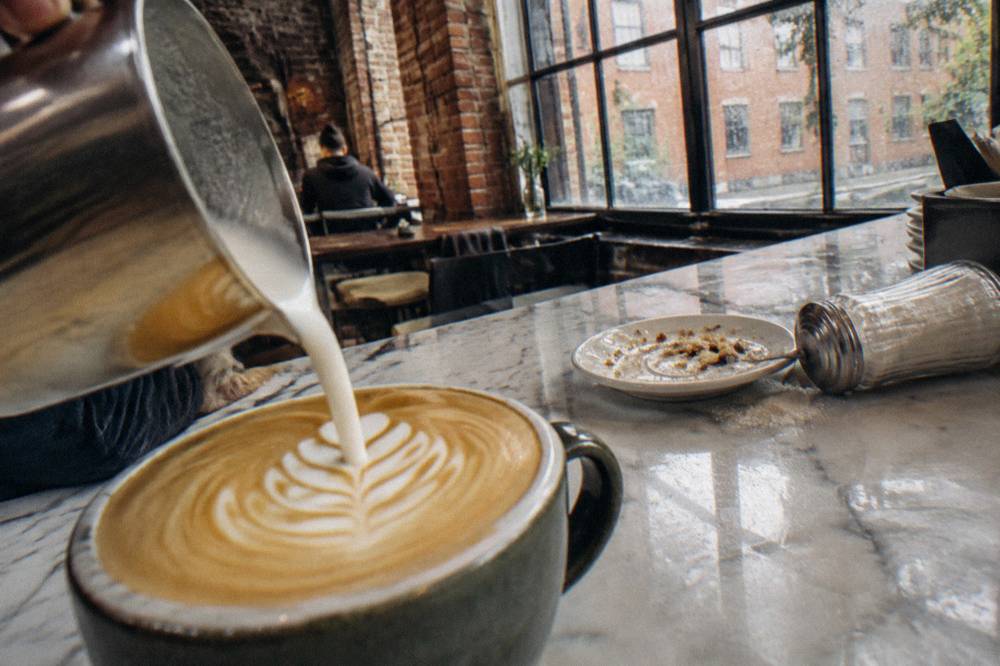
Vivace's Capitol Hill cafe on Broadway is the neighborhood's coffee cathedral. The house style leans Northern Italian: dense, sweet espresso intended to be drunk without syrup or apology. Victrola, a few blocks south on Pike Street, operates as roaster and cafe in one.
The guided option here is strong. The Seattle Coffee Tour: Capitol Hill Coffee Culture & Tastings starts at the Jimi Hendrix statue on Broadway, runs two hours, and costs from $49.30 per person. It is rated 5.0 across 833 reviews, the deepest review pool of any coffee walk in the city, and its format, multiple cafe tastings with a guide explaining the culture between stops, suits first-time visitors who want context with their caffeine. A second option, the Seattle Coffee Walking Tour: Specialty Cafes and Local Stories, also starts on Capitol Hill from the Oddfellows Building lobby on E Pine St, runs two hours from $39.99 per person, and is rated 5.0 across 78 reviews. It leans more on neighborhood storytelling than tasting technique, so the two walks genuinely differ rather than duplicating each other.
Both walks stay in Capitol Hill rather than the Market, which is the right call: the neighborhood's cafes are roomier, the queues shorter, and the roasting stories richer because several of the companies roast nearby. Neither tour includes food beyond the tastings, so plan a bakery stop separately; the neighborhood's brunch scene is covered on the Capitol Hill food walk page if the morning needs a full plan.
A self-guided version works too, and costs only the coffee. Start at Vivace on Broadway, walk south to Victrola on Pike, and finish at any of the independent counters along E Pine. The whole route is under a mile and takes about ninety minutes at tasting pace. Sunday visitors can fold in the Capitol Hill Farmers Market on E Barbara Bailey Way, which runs 11 a.m. to 3 p.m. year-round, and grab something to eat between cafes.
| Capitol Hill Coffee Stop | Founded | Signature Order Style | Walk Order |
|---|---|---|---|
| Espresso Vivace, Broadway | 1988 | Straight espresso or a naked latte | First |
| Victrola, Pike Street | 2000 | Filter flight | Second |
| Oddfellows Building cafes | varies | Brunch-adjacent third wave | Third |
Choosing between the two walks comes down to budget and interest. The Capitol Hill Coffee Culture & Tastings option costs more and pairs multiple stops with tastings, which suits travelers who learn through their palate. The Specialty Cafes and Local Stories walk is the storyteller's pick, better for visitors who want neighborhood history over technique talk. Since both run two hours, the real choice is content, not time.
Sundays reward a bit of planning. The self-guided route takes about ninety minutes, so a mid-morning start at Vivace times the final stops on E Pine close to the farmers market's 11 a.m. opening, with market food ready to cover the midday meal. Year-round operation means the timing works in any season.
Ordering strategy matters at the two anchor stops. Vivace's Northern Italian house style rewards a straight espresso, and a naked latte shows the same approach in milk. At Victrola, a filter flight allows side-by-side comparison before the independent counters on E Pine.
Is Pioneer Square Or Ballard Better For A Roastery Detour?
Pioneer Square suits readers who want one excellent roastery cafe with room to sit, anchored by Elm Coffee Roasters, founded December 2014, in a historic district full of brick and light. Ballard suits readers building a longer crawl, because its brewery-heavy stretch of Ballard Ave also carries serious coffee counters, and the Sunday farmers market gives the trip a second reason.
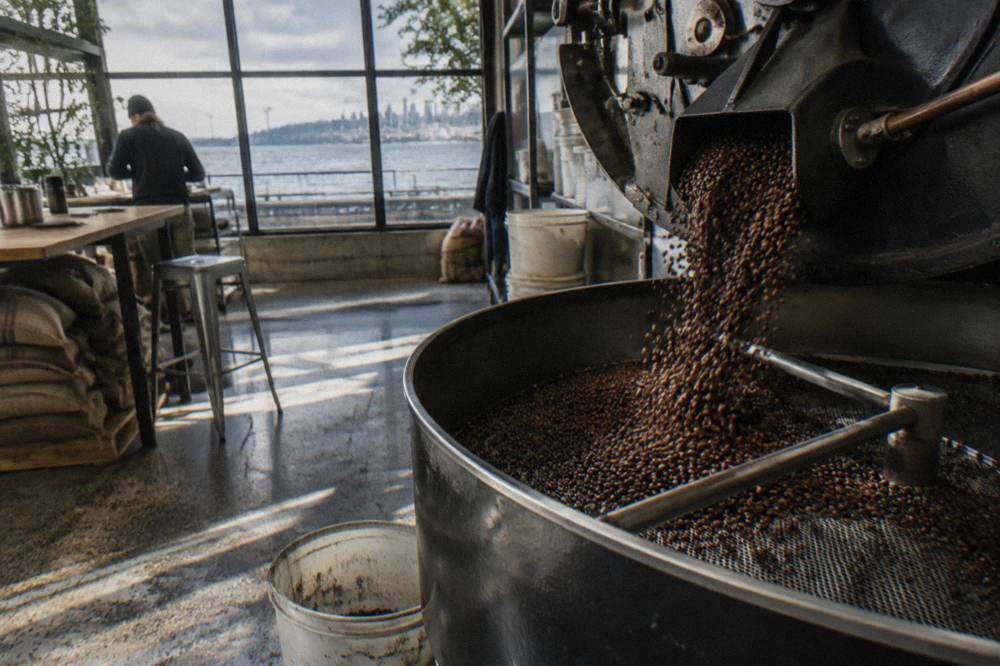
Pioneer Square is the quiet winner of the last decade of Seattle coffee. Elm's Pioneer Square flagship put a bright, modern roastery inside the city's oldest neighborhood, and the surrounding blocks hold enough cafes and bakeries to fill a morning. The district's history is its own draw, and the Pioneer Square food walk guide pairs the coffee stops with the pubs and pastry counters nearby. Cherry Street Coffee House, family-owned since 1997, also operates in this part of downtown, tying the district back to the city's earlier independent wave.
Ballard is better known for beer than beans, but that undersells it. The cobblestone stretch of Ballard Ave NW between 20th and 22nd Ave NW holds a Sunday farmers market, 9 a.m. to 2 p.m. year-round, plus walkable coffee counters and more than a dozen breweries and cideries within about a mile. A Ballard coffee-and-market morning followed by an afternoon elsewhere is one of the more pleasant low-stress itineraries in the city; the Ballard farmers market Sunday guide lays out the stalls. Getting there takes a Metro bus from downtown, $3.00 per adult ride, or a rideshare of roughly twenty minutes.
| Detour Option | Anchor Roaster Or Counter | Neighborhood Character | Best Day Part |
|---|---|---|---|
| Pioneer Square | Elm Coffee Roasters | Historic, calm, brick arcades | Weekday morning |
| Ballard Ave | Independent counters near the market | Village-scale, walkable | Sunday morning |
| Fremont edge | Passing options toward Ballard | Offbeat, quick stops | Weekend afternoon |
The honest comparison: Pioneer Square is the single best sit-down roastery experience, Ballard is the best all-morning neighborhood outing, and Capitol Hill remains the best pure coffee density. Visitors with two mornings should do Capitol Hill one day and Pioneer Square the next, saving Ballard for a Sunday when the market is running. Anyone squeezing all three into one weekend should keep the coffee intake honest with plenty of water and a proper meal somewhere in the middle.
How Much Does A Guided Coffee Walk In Seattle Cost?
Seattle's guided coffee walks cost from $39.99 to $84 per person, and all of the main options run about two hours. The specialty-cafes walk starts lowest at $39.99, the Capitol Hill tasting tour starts at $49.30, the bean-to-cup Market route starts at $55, and the VIP morning crawl with breakfast starts at $84.
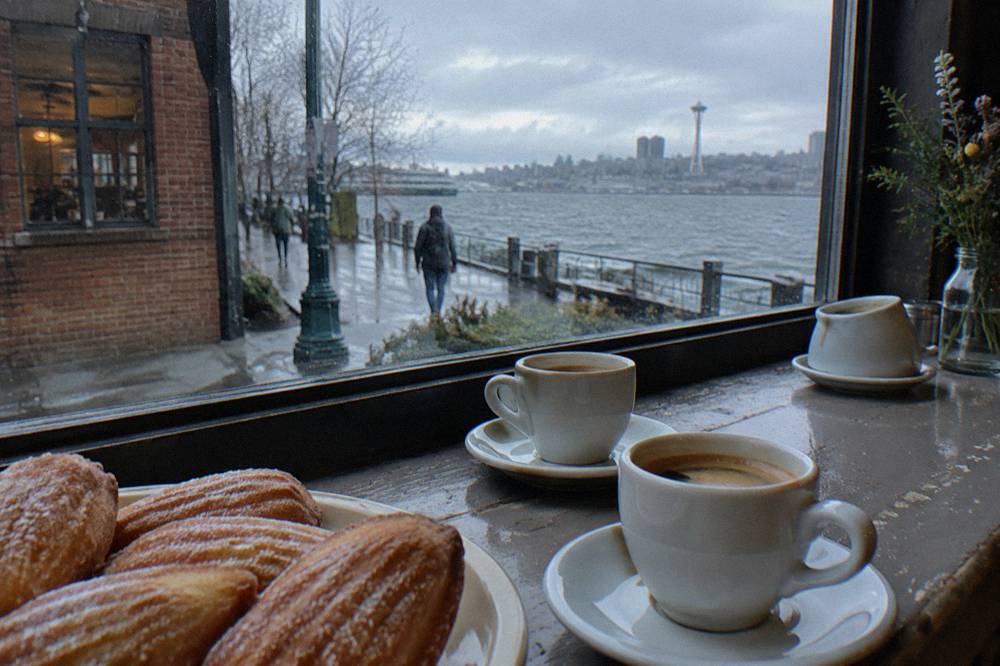
The price spread tracks what is in the cup and on the plate. The two Capitol Hill walks are coffee and stories only. The Market bean-to-cup tour adds the roasting narrative inside the city's most famous market. The Coffee Crawl & VIP Morning in Pike Place Market, from $84 per person and rated 5.0 across 93 reviews, includes breakfast alongside the coffee, stopping at Anchorhead and other Market counters before the crowds build, which makes it function as a morning meal plan rather than just a tasting.
Rating pools differ sharply, and it is fair to weigh them. The Capitol Hill tour's 5.0 across 833 reviews is the most substantial signal. The VIP morning's 5.0 across 93 reviews and the specialty walk's 5.0 across 78 reviews are strong but from smaller pools, and the bean-to-cup tour's 4.9 across 26 reviews reflects a tour that has simply hosted fewer guests. None of these numbers predict any individual morning, but they do say the formats are consistently landing.
| Coffee Walk | Duration | From Price Per Person | Rating And Reviews | Start Point |
|---|---|---|---|---|
| Seattle Coffee Tour: Capitol Hill Coffee Culture & Tastings | 2 hours | $49.30 | 5.0, 833 reviews | Jimi Hendrix statue, Broadway |
| Seattle Coffee Walking Tour: Specialty Cafes and Local Stories | 2 hours | $39.99 | 5.0, 78 reviews | Oddfellows Building lobby, E Pine St |
| Roasted in Seattle: Bean to Cup Coffee Tour | 2 hours | $55 | 4.9, 26 reviews | Anchorhead Coffee, Western Ave |
| Coffee Crawl & VIP Morning in Pike Place Market | 2 hours | $84 | 5.0, 93 reviews | Anchorhead Coffee, Western Ave |
Meeting points cluster in two zones: the Market's north end on Western Avenue, and Capitol Hill around Broadway and E Pine. That geography means a visitor staying downtown can reach any of the four start points on foot or with one short transit leg; an adult Metro or Link ride is $3.00 each way, and youth 18 and under ride Link free. More meeting-point detail, including what to bring, is on the meeting points and packing guide.
One cost note that catches visitors off guard: Seattle's sweetened beverage tax, 1.75 cents per ounce paid by distributors, applies to presweetened coffee drinks, though milk-primary lattes are generally excluded. It is embedded in shelf prices rather than added visibly at the register, so it will not surprise anyone at the counter, but it explains part of why syrup-heavy bottled drinks cost what they do. Sales tax of 10.55 percent does apply to prepared food and drinks at the register.
Can You See Seattle's Best Roasters In One Day?
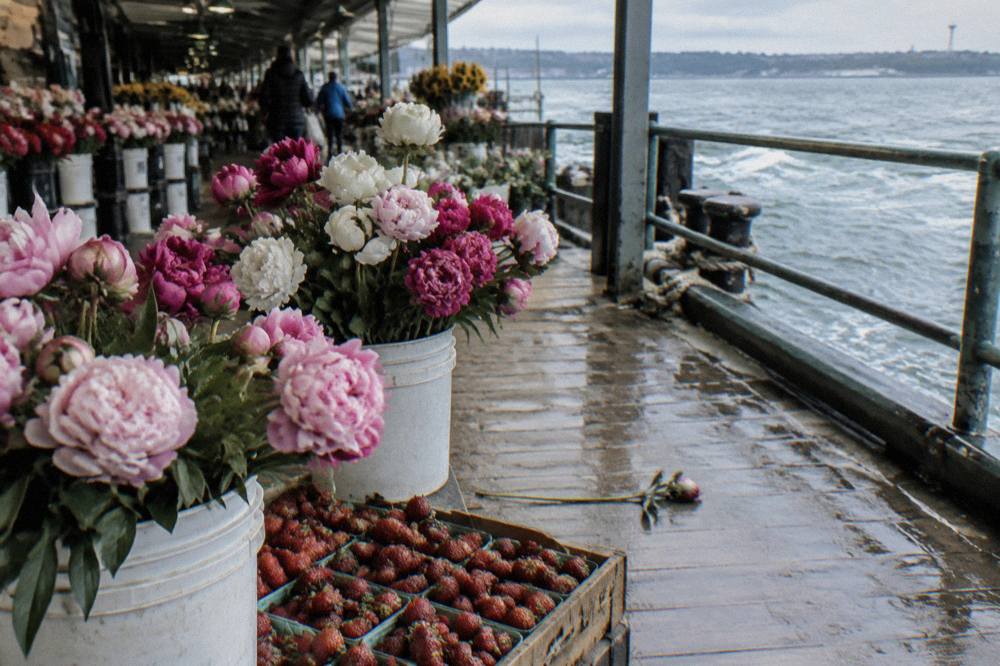
Yes, comfortably, if the day is split between two zones: a morning inside and around Pike Place Market covering Anchorhead, Storyville and the original Starbucks, then a bus or light rail hop to Capitol Hill for Espresso Vivace and Victrola in the afternoon. The full route spans roughly two miles of walking and five to six roaster stops, and it compresses into about six hours with breaks.
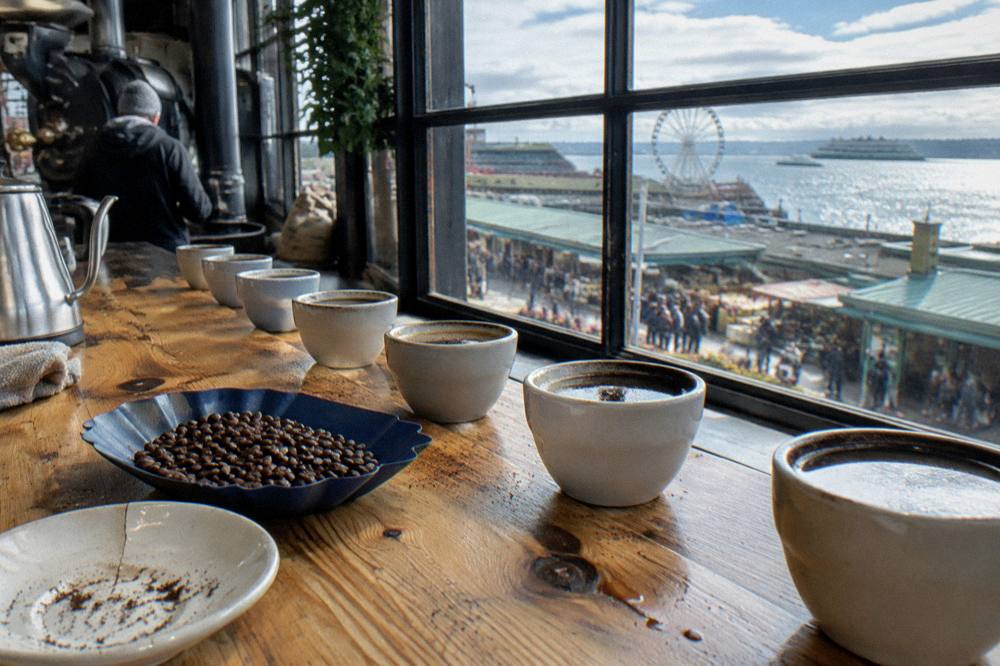
The one-day route works because Seattle's coffee geography is a spine, not a scatter. Start at Anchorhead on Western Avenue when the counters open, walk up into the Market for Storyville and a look at the original Starbucks, then descend 1st Avenue to Fonté. From downtown, the Link light rail or a $3.00 Metro bus reaches Capitol Hill in about ten minutes. Finish at Vivace on Broadway, then walk south to Victrola on Pike Street. Done by mid-afternoon, with room for lunch at any of the Market counters or a Pioneer Square restaurant along the way.
Guided Coffee Walks In Seattle: Cost And Duration
| Tour | Duration | Starting Cost | Area Covered |
|---|---|---|---|
| Capitol Hill Coffee Tastings | about two hours | from $39.99 to $55 | Capitol Hill |
| Specialty Cafes Coffee Walk | about two hours | from $39.99 to $55 | Downtown |
| Bean-to-cup route | about two hours | from $55 | Pike Place Market |
Readers who would rather not self-direct can hand the same spine to a guide. The bean-to-cup Market route and the Capitol Hill tasting tour each cover one zone deeply, and doing both across two mornings is a legitimate coffee itinerary. Seasonal timing matters less for cafe interiors than for the walking between them: July and August average highs of about 77 to 78 degrees with under an inch of rain, while November averages 6.31 inches, so the indoor-heavy coffee route is arguably at its best in the wet months. Current climate figures come from the NOAA 1991 to 2020 normals at Sea-Tac.
Two events are worth building a trip around for the truly committed. The Seattle Coffee Festival ran October 24 and 25, 2026 at Magnuson Park in its second year, bringing roasters and tastings under one roof. Coffee Fest, a trade-focused show, is listed for November 12 and 13, 2027 at the Seattle Convention Center, aimed at industry professionals rather than casual visitors. Visit Seattle's event listings track both as dates firm up.
Common Questions About Coffee Roasters In Seattle
Which Neighborhood Has The Best Coffee In Seattle?
Capitol Hill has the densest concentration of defining roasters, with Espresso Vivace from 1988 and Victrola from 2000 within a few blocks of each other. Pike Place Market counters with the most history, and Pioneer Square offers the best single roastery cafe experience at Elm.
Is The Original Starbucks Worth The Line?
The store at 1912 Pike Place is the oldest Starbucks still operating, so it is a heritage stop rather than a coffee-quality stop. Arriving before 9 a.m. shortens the queue considerably, and Anchorhead or Storyville nearby pour the better cups if the line looks long.
How Much Do Seattle Coffee Tours Cost?
Guided coffee walks run from $39.99 to $84 per person, and all of the main options last about two hours. The Capitol Hill tasting tour starts at $49.30 per person, the Market bean-to-cup route at $55, and the VIP morning crawl with breakfast at $84.
What Is The Oldest Coffee Roaster In Seattle?
Starbucks, founded at Pike Place Market in 1971, is the oldest name still operating in the city. Among the independents, Espresso Vivace from 1988 is the elder, followed by Caffe Vita in 1995 and Cherry Street Coffee House in 1997.
Can You Walk Between Seattle's Coffee Neighborhoods?
Pike Place Market, Pioneer Square and downtown cafes sit within a fifteen to twenty minute walk of one another. Capitol Hill is one short bus or light rail leg from downtown, about ten minutes at $3.00 per adult ride, so a one-day route covering both zones is realistic.
When Is The Seattle Coffee Festival?
The Seattle Coffee Festival ran October 24 and 25, 2026 at Magnuson Park in its second year. A 2027 edition has not been announced; check Visit Seattle's event listings before planning around it.