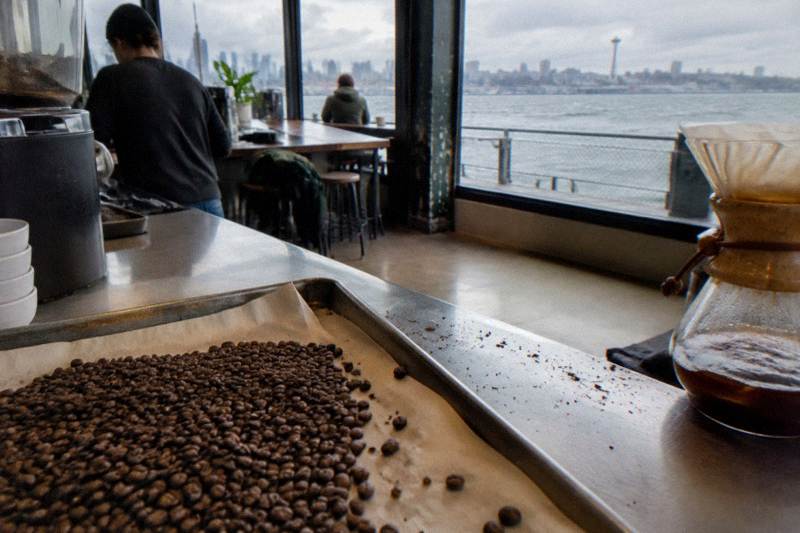
Coffee Cupping In Seattle: What It Is And Where To Try It
Cupping is the tasting method the coffee trade uses to judge beans, and in Seattle it has escaped the lab: roasters, cafes and walking tours now teach it to visitors who want to understand what they are drinking.
Short answer
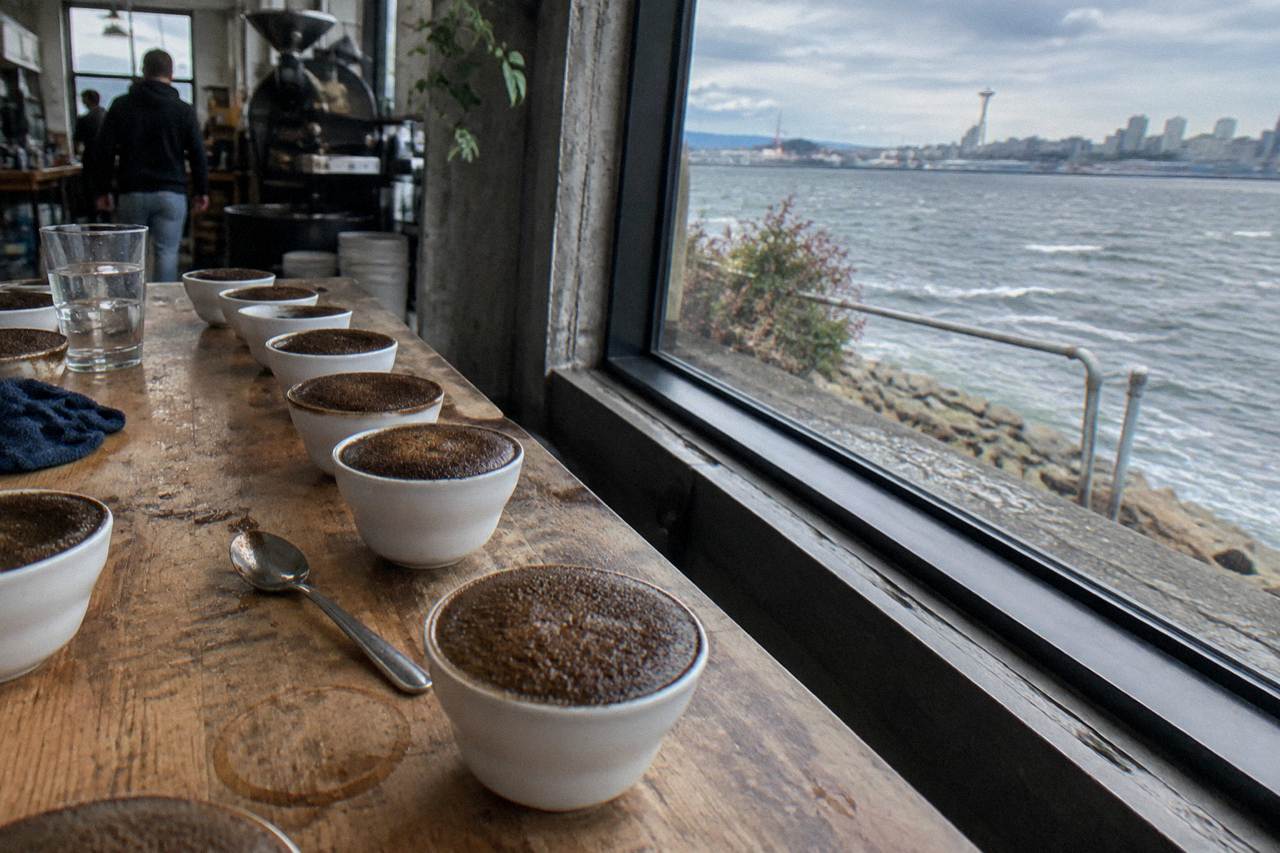
Coffee cupping is a standardized tasting ritual: coarsely ground coffee steeps in hot water, is smelled twice, skimmed, then slurped loudly so it sprays across the palate. In Seattle you can learn it on coffee tours from $39.99 to $84 per person, at Capitol Hill cafes, and at roastery sessions; the city's second Coffee Festival ran October 24 and 25, 2026.
Coffee cupping started as a quality-control routine: buyers, roasters and farmers needed one repeatable way to compare batches side by side, so the industry built one. Hot water hits coarsely ground coffee in a small bowl, the crust of grounds gets smelled and broken, and then each sample gets slurped hard from a spoon so the liquid mists across the whole tongue. The slurp is the point. Spraying the coffee lets a taster pick up aroma, acidity, body and finish in one motion, and doing it identically for every bowl keeps the comparison honest.
Seattle adopted the ritual early and never let go. The city that put a 1971 Pike Place coffee store on the tourist map now runs a full tasting culture around it, from Capitol Hill cafes to walking tours that teach visitors the slurp themselves. This guide explains what cupping is, where in Seattle you can try it or learn it, what a public session actually feels like, and which guided options build the skill fastest.
What Is Coffee Cupping And Why Does Seattle Take It Seriously?
Cupping is the coffee industry's standardized tasting protocol: identical dose, grind, water and timing for every sample, smelled and then loudly slurped so the coffee spreads across the palate. It exists because subjective sipping cannot compare batches fairly, and Seattle's roasting community, which grew from the 1971 Pike Place store through decades of independent roasters, uses it as the backbone of quality control and public education.
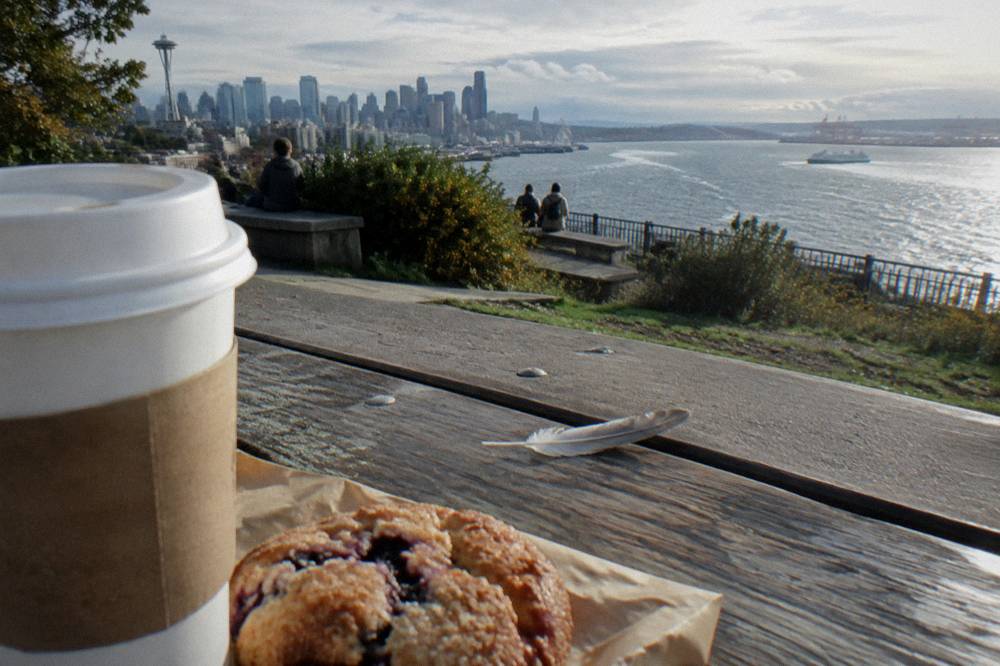
The mechanics are simple and slightly theatrical. A judge weighs coarsely ground coffee into a cupping bowl, pours hot water directly onto the grounds, and lets it steep. The floating crust holds most of the aroma, so the first step is to lean in and smell it dry and again once wet. Then the crust gets broken with a spoon, usually with another deep inhale, and the foam and grounds get skimmed off the top. What remains is clean enough to taste, and tasting means slurping: a sharp pull of air and liquid together, loud on purpose, so the coffee aerosolizes and reaches the retronasal passages where most flavor perception actually happens.
Scores and vocabulary sit on top of that routine. Professional cuppers grade fragrance, flavor, acidity, body, balance and aftertaste, and they write down defects the same way an inspector would. None of that rigor is required at a public session. A cafe running cupping for visitors cares about one thing: that everyone tastes the same coffee the same way, twice or three times as it cools, because coffee changes character with temperature and that lesson lands hardest when it is demonstrated rather than explained.
Seattle's stake in this runs deep. Starbucks opened its first store in 1971 at Pike Place, and the original still operates at 1912 Pike Place. Around it grew a roaster class with real lineage: Espresso Vivace in 1988, Caffe Vita in 1995, Cherry Street Coffee House in 1997, Victrola in 2000, and Elm Coffee Roasters in December 2014 in Pioneer Square. That is a city where cupping is not a novelty act for tourists but a weekly habit inside working roasteries, which is exactly why visitors can find it here at nearly every level, from a free cafe pour to a structured two-hour tasting walk. For the broader coffee scene context, Visit Seattle maintains an official guide to the city's cafe neighborhoods.
Where Can You Try Coffee Cupping In Seattle?
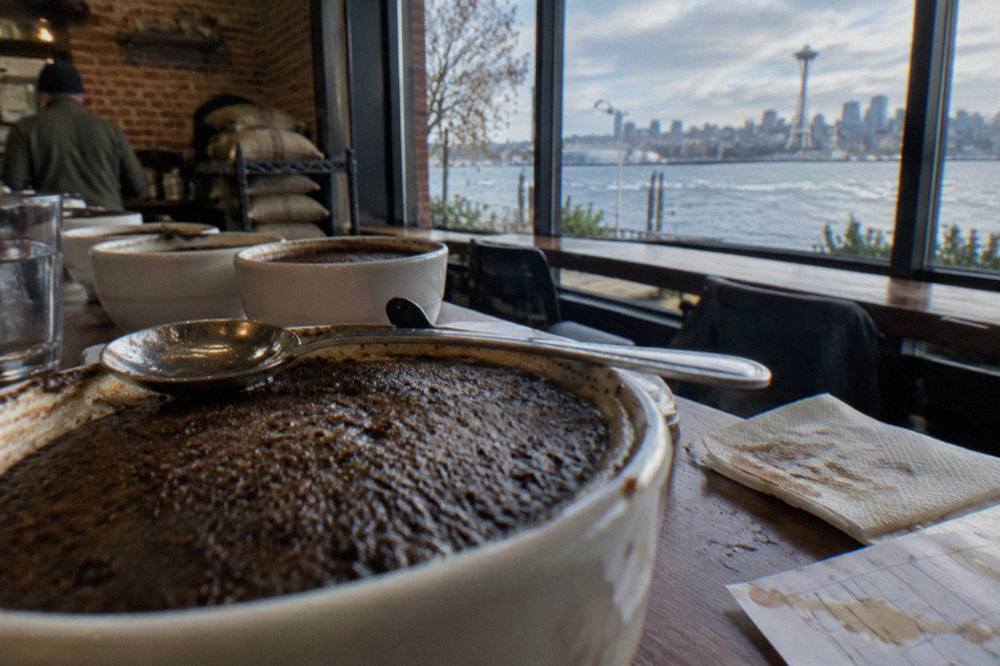
The easiest entry points are Capitol Hill and Pike Place: guided coffee walks from $39.99 to $84 per person teach comparative tasting in two hours, while the roasteries and cafes along Broadway and in the Market run their own tasting formats. The four coffee walks on this site all run two hours, built around tasting rather than lecture.
Capitol Hill is the natural classroom. The neighborhood hosts a dense strip of independent cafes, the Jimi Hendrix statue on Broadway marks a well-known meeting point, and two of the coffee walks listed here start there. One is the Seattle Coffee Tour: Capitol Hill Coffee Culture & Tastings, rated 5.0 across 833 reviews, from $49.30 per person, two hours, coffee included. The other is the Seattle Coffee Walking Tour Specialty Cafes and Local Stories, rated 5.0 across 78 reviews, from $39.99 per person, also two hours from the Oddfellows Building lobby on East Pine Street. Both walks move between cafes and compare brews side by side, which is cupping's core idea in a friendlier shape.
Pike Place covers the historical angle. The Coffee Crawl & VIP Morning in Pike Place Market, rated 5.0 across 93 reviews and from $84 per person, starts at Anchorhead Coffee on Western Avenue and includes breakfast alongside the coffee. Roasted in Seattle: Bean to Cup Coffee Tour, rated 4.9 across 26 reviews and from $55 per person, traces the bean's path from the original Starbucks at 1912 Pike Place through Storyville, Ghost Alley Espresso and Fonté on 1st Avenue. Between them, a visitor can cover half a century of Seattle coffee in a single morning.
If a guided walk is not the fit, the self-directed route works too. Many specialty cafes pour flights or side-by-side comparisons on request, and the Market itself keeps coffee central: the visitor FAQ at Pike Place Market's official site confirms the Market opens 363 days a year with fresh vendors from early morning. A determined visitor can build a private cupping crawl out of three cafes within a few blocks. For planning that route in depth, the Seattle coffee walk roasters guide maps the roasters worth a detour, and the first Starbucks and Pike Place coffee guide tackles the famous store's queue honestly.
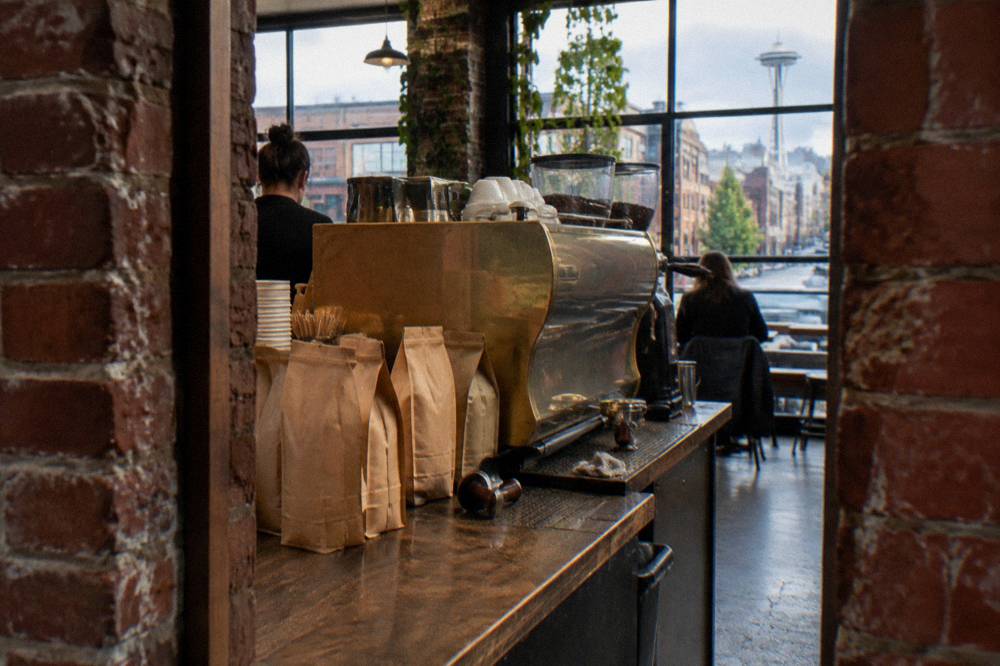
Which Seattle Coffee Tour Best Teaches Tasting Skills?
For pure tasting instruction, the Capitol Hill Coffee Culture & Tastings tour is the strongest match: two hours, from $49.30 per person, rated 5.0 across 833 reviews, coffee included, starting at the Jimi Hendrix statue on Broadway. For comparison shopping, the four coffee walks on this site run $39.99 to $84 per person, all two hours, all drinks-focused rather than meals.
The differences between the walks matter more than the price gap. The Capitol Hill tour concentrates on coffee culture and structured tastings across several cafes in Capitol Hill. The Specialty Cafes and Local Stories walk, at the lowest price point, leans on storytelling between stops while still pouring tastings; its listing does not state food. The Pike Place Coffee Crawl adds breakfast and early access to the Market, which shifts the experience toward the morning-ritual end. Bean to Cup is the supply-chain tour: roasting, sourcing and history rather than a tasting ladder.
| Tour | Start area | Duration | Rating | Price |
|---|---|---|---|---|
| Seattle Coffee Tour: Capitol Hill Coffee Culture & Tastings | Capitol Hill, Jimi Hendrix statue | 2 hours | 5.0 across 833 reviews | from $49.30 |
| Seattle Coffee Walking Tour Specialty Cafes and Local Stories | Capitol Hill, Oddfellows Building lobby | 2 hours | 5.0 across 78 reviews | from $39.99 |
| Coffee Crawl & VIP Morning in Pike Place Market | Pike Place north end, Anchorhead Coffee | 2 hours | 5.0 across 93 reviews | from $84 |
| Roasted in Seattle: Bean to Cup Coffee Tour | Pike Place north end, Anchorhead Coffee | 2 hours | 4.9 across 26 reviews | from $55 |
A practical note on the comparison: none of the four is a meal. The Capitol Hill listings describe drinks and tastings, with food not included or not stated, so plan breakfast separately or take the Coffee Crawl, which lists breakfast among its stops. Group-size caps and free-cancellation terms are shown on each booking page before payment.
For readers still deciding between the formats, the best coffee roasters guide names the roasteries whose coffee you are most likely to meet on any of these walks, which helps you recognize the beans once you are back home.
What Actually Happens At A Public Cupping Session?
Expect a table, not a theater: several coffees in identical bowls, hot water poured at once, a guided smell of the crust, then loud slurping from a spoon in turn, with the host naming flavors and inviting disagreement. No prior knowledge is expected or needed.
The first thing that surprises newcomers is the silence at the pour. Once water hits the grounds, everyone waits, because the steeping time is part of the protocol and talking over the bowls muddies the aroma stage. When the host calls time, each person leans over a bowl, breaks the crust with the back of a spoon and inhales. The room gets noisy after that. Slurping is loud, and it is supposed to be; a hesitant sip tells you almost nothing compared with a proper pull of air and coffee together.
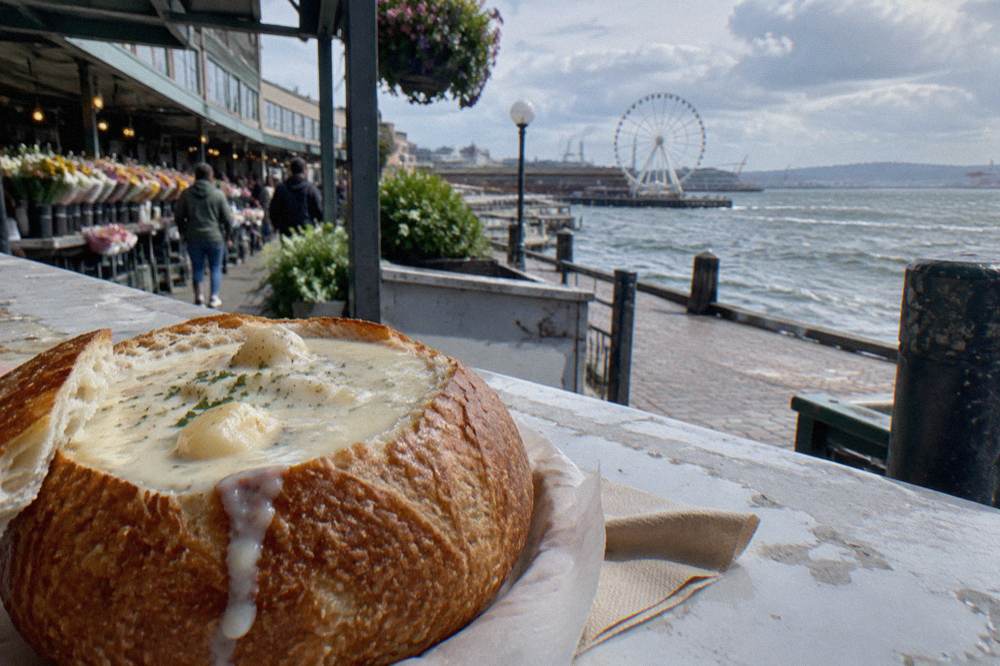
The second surprise is how much the coffee changes as it cools. A bowl that tasted bright and citric at full heat can read as sweet and round ten minutes later. Hosts usually bring the group back to each coffee two or three times for exactly this reason, and it is the single most useful thing a home brewer can take away: judgment belongs to the whole temperature range, not the first scalding mouthful.
What to bring is minimal. Water to rinse the spoon and palate, something plain to eat afterward if you are caffeine-sensitive, and no strong perfume, which is standard tasting etiquette everywhere. Spitting is allowed and common at multi-coffee tables; nobody is expected to swallow a whole table of coffee. Venues that host public sessions are the same roasteries and cafes that anchor the guided walks, so a tour often doubles as an introduction to the rooms where you can come back and cup again on your own.
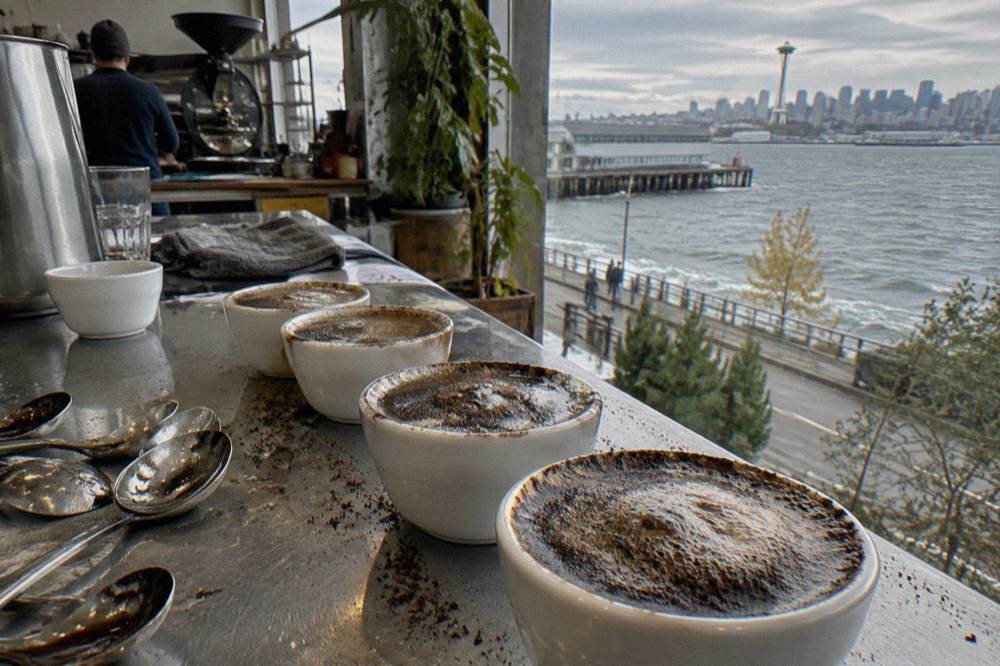
Which Seattle Roasters Shaped The Cupping Culture?
Seattle's tasting culture descends from five independents with documented founding years: Espresso Vivace in 1988, Caffe Vita in 1995, Cherry Street Coffee House in 1997, Victrola in 2000, and Elm Coffee Roasters in December 2014 in Pioneer Square, with Starbucks predating them all at Pike Place in 1971. Together they built the cafe density that makes comparative tasting, guided or solo, possible.
Starbucks is the obvious starting point and the reason the word Seattle attaches to coffee worldwide, but the independents did the educational work. Espresso Vivace, founded in 1988 by David Schomer and Geneva Sullivan, pushed precision espresso and roast philosophy. Caffe Vita opened in 1995 and Victrola in 2000. Elm opened in Pioneer Square in December 2014.
| Roaster or cafe | Founded | Neighborhood anchor |
|---|---|---|
| Starbucks original store | 1971 | Pike Place, 1912 Pike Place |
| Espresso Vivace | 1988 | Capitol Hill |
| Caffe Vita | 1995 | Queen Anne and Capitol Hill |
| Cherry Street Coffee House | 1997 | Pioneer Square area |
| Victrola Coffee Roasters | 2000 | Capitol Hill |
| Elm Coffee Roasters | December 2014 | Pioneer Square |
The pattern in the table is real: Capitol Hill and the close-in neighborhoods carry the tasting culture, which is why two of the four coffee walks on this site start there. The calendar gave the scene a public stage too. The Seattle Coffee Festival ran its second annual edition on October 24 and 25, 2026 at Magnuson Park.
Seattle Coffee Tour Prices Per Person
All four tours listed here run 2 hours and focus on tasting
How Much Does A Coffee Tasting Experience In Seattle Cost?
A guided coffee tasting in Seattle costs from $39.99 to $84 per person for two-hour walking tours, with the mid-range Capitol Hill tour at from $49.30 and the Pike Place morning crawl at from $84. All prices are per person as shown on the booking pages, and only the Pike Place morning crawl includes breakfast.
Price alone does not sort the options cleanly. The $39.99 walk is the cheapest option and still pours tastings; the $84 crawl folds in breakfast and Market access; the $49.30 Capitol Hill tour carries the deepest review pool at 833 reviews. What the money buys in every case is a guide who structures comparisons, and that structure is the thing most visitors cannot replicate alone on day one.
Beyond the tours, the cost of tasting drops fast. Cafe tasting flights and sample pours are priced by each venue, and no reliable figure can be printed here; check the counter. What can be stated is the tax and transit arithmetic that shapes any coffee day in Seattle. Sales tax of 10.55 percent is added at the register on cafe food and drink. A Link light rail adult one-way ride is $3.00, a King County Metro adult ride is $3.00, and a regional day pass is $6.00, which covers a day of rides between Capitol Hill, Pike Place and Pioneer Square. Youth 18 and under ride Link and Metro free. Route and fare details are on Sound Transit's official site.
| Cost item | Figure | Basis |
|---|---|---|
| Specialty Cafes and Local Stories walk | from $39.99 | per person, 2 hours |
| Capitol Hill Coffee Culture & Tastings | from $49.30 | per person, 2 hours |
| Roasted in Seattle: Bean to Cup | from $55 | per person, 2 hours |
| Coffee Crawl & VIP Morning | from $84 | per person, 2 hours, breakfast stops listed |
| Link light rail adult one-way | $3.00 | youth 18 and under free |
| King County Metro adult ride | $3.00 | since Sept 1, 2025 |
| Regional transit day pass | $6.00 | adult fares up to $3.00 |
Tipping is not mandated anywhere in this chain, and practice varies; a tour's booking page states whether gratuity is included.
When Is The Best Time Of Day For Coffee Tasting In Seattle?
Morning is the honest answer, both for your palate and for the tours: the Coffee Crawl runs mornings only, breakfast-focused Market walks start early, and caffeine tolerance argues for tasting before noon. November through March is the wettest stretch of the year, with November averaging 6.31 inches of rain.
Palate science and Seattle's climate point the same direction. Taste perception is sharpest before heavy food, and a table of several coffees lands differently at 9 a.m. than at 4 p.m. The tour calendar already reflects this: the VIP morning crawl is explicitly a morning product. Weather matters for the walking between stops. The NOAA 1991 to 2020 normals at Sea-Tac put July and August highs at about 77 to 78 F with under an inch of rain, the comfortable extreme; November is the wettest month at 6.31 inches, December at 5.72 and January at 5.78. A rainy-day cupping table is arguably the most Seattle version of the experience anyway.
Seasonality cuts a second way through the beans themselves. Harvest cycles mean single-origin menus rotate through the year, so a coffee you cupped in spring may simply not exist by fall, which is normal and worth expecting rather than treating as a disappointment. The Market's own rhythm matters too: most of Pike Place is active about 10 a.m. to 5 p.m., while breakfast and produce sellers start at 7 a.m., and the Market is closed only on Thanksgiving Day and Christmas Day.
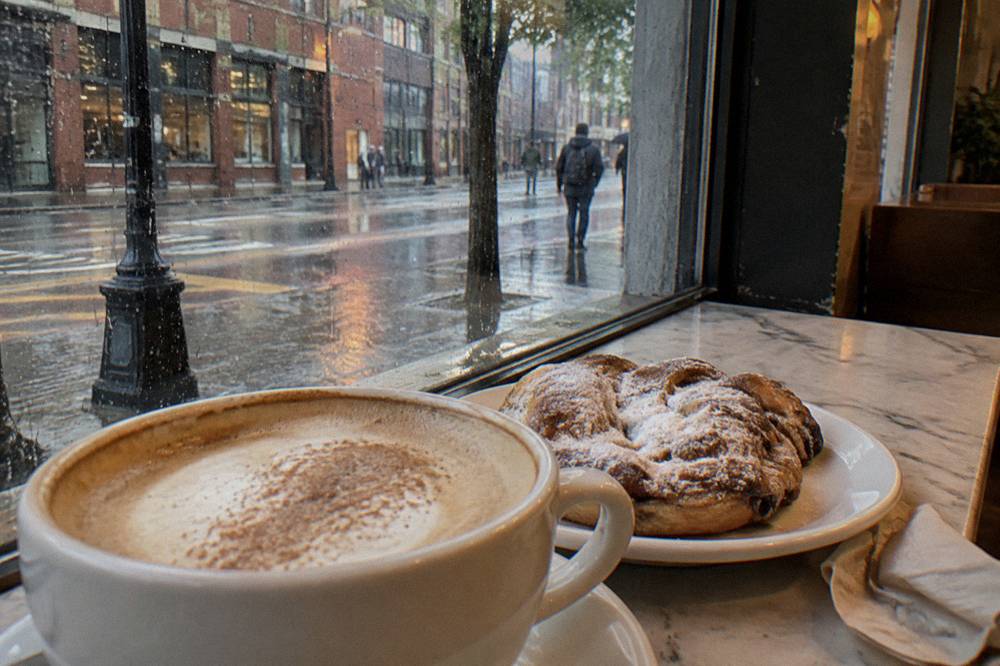
Should You Learn Cupping On A Tour Or At A Roastery Session?
Take a tour if you want tasting skills plus context in one booking: two hours, a fixed price, and a guide who explains what you are slurping. Choose a roastery or cafe session if you already know the neighborhood and want repetition, since independent cuppings depend on each venue's calendar, and neither format requires experience.
The tour's advantage is structure and accountability. A guide sequences the coffees from light to dark or familiar to strange, names the flavors out loud, and corrects the two beginner errors, sipping instead of slurping and judging at full heat. The trade-off is pace: multiple coffees across two hours means limited minutes a table, and the walks are built for breadth. The Capitol Hill Coffee Culture & Tastings tour does this especially well, moving between contrasting cafes so the comparisons stay sharp. If that format appeals, the details and a booking link are on the tour page, alongside the Capitol Hill tour profile.
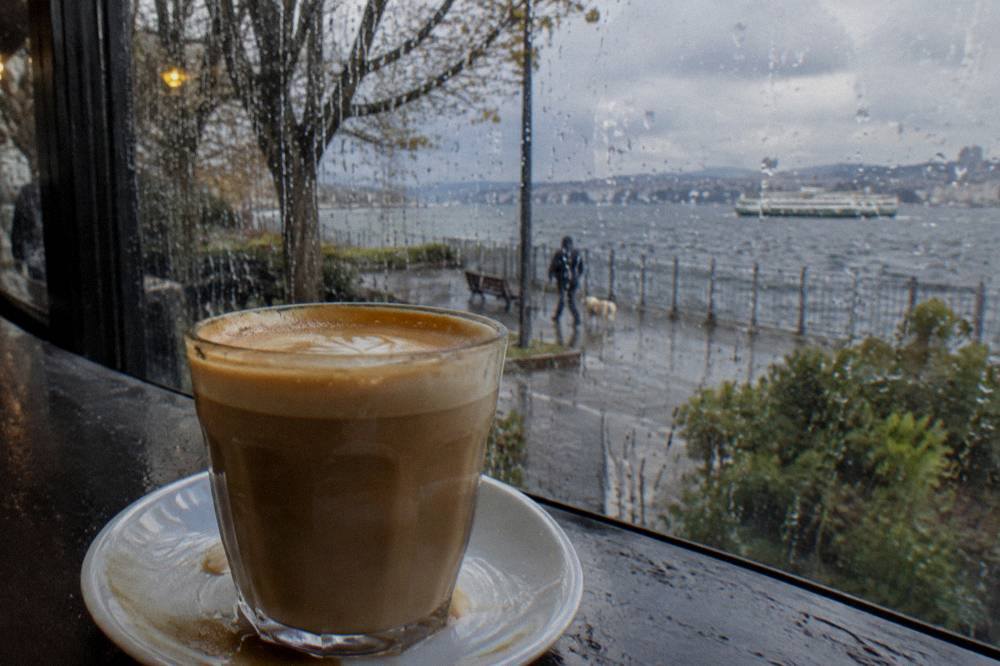
The roastery session's advantage is depth and repetition. Standing at one table with one host and the same coffees three times over teaches temperature drift better than any walk can, and it is usually quieter. The catch is availability: sessions depend on each venue's schedule, so check ahead rather than assuming. A sensible plan for a committed visitor is both, a tour on day one to learn the vocabulary, a session later in the week to use it.
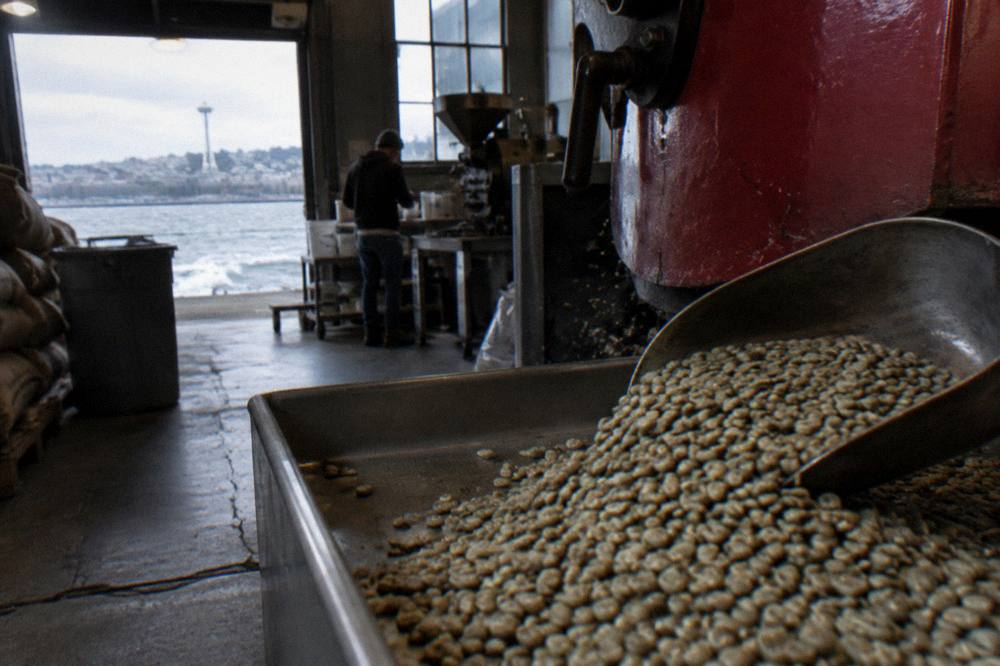
What Should Beginners Know Before Their First Cupping?
Three habits carry a beginner through a first cupping: slurp loudly rather than sip, taste each coffee more than once as it cools, and say what you actually perceive instead of hunting for the right answer. Everything else, the bowls, the spoons, the score sheets, is scaffolding around those three acts, and no host expects a novice vocabulary.
Flavor language intimidates people unnecessarily. Professionals use descriptors like jasmine, black currant or tomato, and beginners assume they are meant to find the same words. They are not. A host asking what a coffee reminds you of is asking for your honest read, and "like breakfast, but sharper" is a legitimate answer that a good guide will translate and build on. The vocabulary arrives with repetition, not before it.
A few practicalities close the loop. Avoid strong perfume or scented lotion, which wrecks the aroma stage for everyone at the table. Eat something plain beforehand, because a full table of coffees on an empty stomach is a rough afternoon. Spit if you want to; the pros mostly do. If you are touring rather than attending a standalone session, arrive at your meeting point ten minutes early: the Capitol Hill walks meet at the Jimi Hendrix statue on Broadway or the Oddfellows lobby on East Pine Street, and the Pike Place walks meet at Anchorhead Coffee on Western Avenue. Those starts are stated on each booking page, and the meeting points and what to bring guide covers the logistics in more depth.
The final beginner truth is the encouraging one: cupping is cheap to keep practicing. Every bag of coffee you buy afterward is a chance to brew two side by side and compare, which is the whole method in miniature. Seattle's roasters ship nationwide, so the table you learned on can follow you home.
Common Questions About Coffee Cupping In Seattle
What Is Coffee Cupping?
Cupping is the coffee industry's standardized tasting method: identical doses of coarsely ground coffee steep in bowls of hot water, the crust is smelled and broken, and each sample is loudly slurped from a spoon so the coffee spreads across the whole palate for comparison.
Can Beginners Join A Coffee Cupping Session In Seattle?
Yes. Public sessions and the guided coffee walks assume no prior knowledge; hosts explain the slurp, name the flavors and invite honest impressions, and both the Capitol Hill tours and Pike Place walks are built for first-timers.
How Much Does A Coffee Tasting Tour In Seattle Cost?
The coffee walks listed here cost from $39.99 to $84 per person, all two hours: the Specialty Cafes walk from $39.99, Capitol Hill Coffee Culture & Tastings from $49.30, Bean to Cup from $55, and the Coffee Crawl & VIP Morning from $84 with breakfast stops listed.
Where In Seattle Can I Try Cupping Without A Tour?
Independent roasteries and specialty cafes, especially on Capitol Hill and around Pike Place, pour tasting flights and side-by-side comparisons; session availability depends on each venue's calendar, so check with the cafe directly.
Is The Capitol Hill Coffee Tour Good For Learning Tasting Skills?
It is the strongest fit: two hours, from $49.30 per person, rated 5.0 across 833 reviews, with tastings included and a route through several contrasting cafes, starting at the Jimi Hendrix statue on Broadway.
Do I Need To Drink All The Coffee At A Cupping?
No. Spitting into a cup is standard practice at professional tables and perfectly acceptable at public ones; with several coffees per session, most hosts expect it.