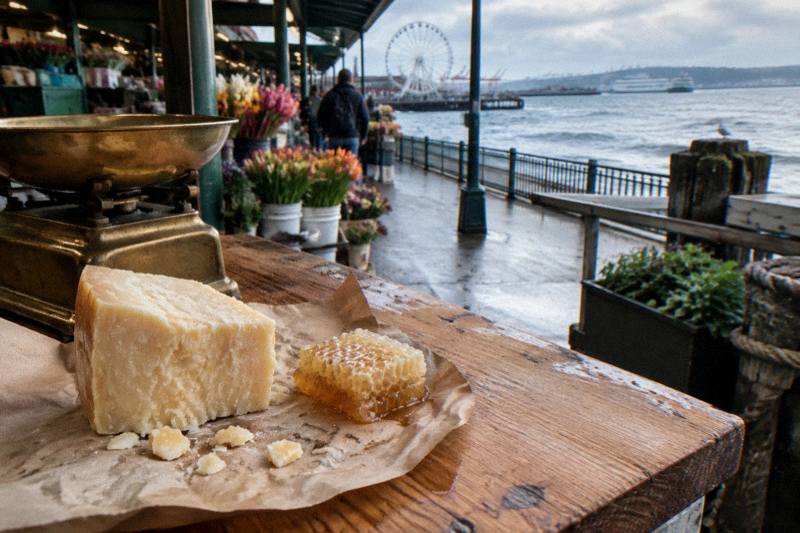
Seattle Farmers Markets By Neighborhood And Day
Seattle runs a farmers market somewhere in the city almost every weekend day of the year, rain or shine. Here is the weekly schedule by neighborhood, what each market does best, and how to fold one into a bigger food day.
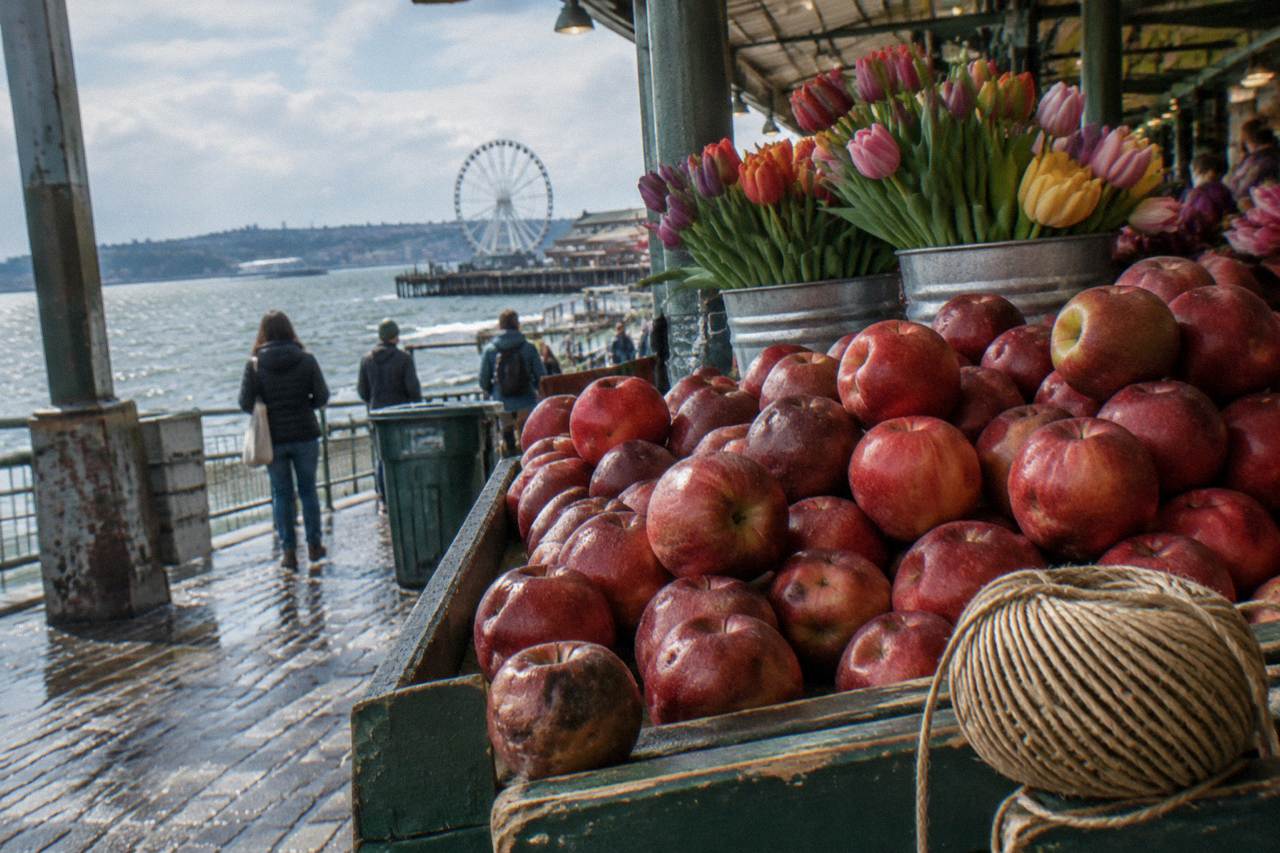
Short answer
Seattle has five year-round neighborhood farmers markets across Saturday and Sunday: University District on Saturdays 9 to 2, and Ballard, West Seattle, Capitol Hill and Fremont on Sundays from as early as 9 a.m. to as late as 4 p.m. All run year-round, rain or shine.
Farmers markets are the quiet backbone of eating well in Seattle. While most visitors plan around Pike Place Market, locals do a lot of their weekend shopping at neighborhood markets that pop up along a cobblestone street in Ballard, on University Way, and at the Fremont Bridge, and every one of them runs year-round, rain or shine. The city spreads them across the week so that on any Saturday or Sunday, somewhere within a short bus or light rail ride, there is a market open. This guide lays out the full weekly schedule by neighborhood and day, explains what each market actually sells, and shows how to pair a market morning with the bookable market walks in and around Pike Place, because none of the tours on this site visits the neighborhood markets, but the Market's own food tours cover similar ground every day of the year. The schedule below comes from the market organizers' own sites, and the organizer body behind most of these markets is Seattle Farmers Markets, which runs the University District, West Seattle and Capitol Hill markets.
What Days Are Seattle Farmers Markets Open?
The weekly pattern is simple: University District runs Saturdays from 9 a.m. to 2 p.m., and four markets run Sundays, Ballard 9 to 2, West Seattle 10 to 2, Capitol Hill 11 to 3, and Fremont 10 to 4. All five operate year-round, whatever the weather. That means any weekend in Seattle, including a rainy November one, has at least two markets to choose from.
Saturday belongs to the University District. Sunday is the crowded one in the best way, with four markets spread across the city at overlapping but slightly different hours, which matters if you want to visit two in a day. Fremont runs the longest Sunday window at six hours, while Capitol Hill starts latest, at 11 a.m., which makes it the natural second stop after a morning elsewhere. The short version is in the table below, and the rest of this guide walks through each one.
| Day | Market | Hours | Location |
|---|---|---|---|
| Saturday | University District Farmers Market | 9 a.m. to 2 p.m. | University Way NE between NE 50th and NE 52nd |
| Sunday | Ballard Farmers Market | 9 a.m. to 2 p.m. | Ballard Ave NW between 20th and 22nd Ave NW |
| Sunday | West Seattle Farmers Market | 10 a.m. to 2 p.m. | California Ave SW and SW Alaska |
| Sunday | Capitol Hill Farmers Market | 11 a.m. to 3 p.m. | E Barbara Bailey Way, Broadway to 10th Ave E |
| Sunday | Fremont Sunday Market | 10 a.m. to 4 p.m. | At the Fremont Bridge, winter markets covered and heated |
A few practical notes on the schedule itself. Fremont is the only one of the five that shifts format with the seasons: it runs covered, heated winter markets, which is exactly what you want in a city where November averages 6.31 inches of rain per the NOAA 1991 to 2020 climate normals at Sea-Tac. If a holiday falls on a market day, check the organizer's site for that week, since Christmas Day closures and similar exceptions are handled market by market. And unlike Pike Place Market, which is closed only on Thanksgiving and Christmas, these neighborhood markets are street events, so their exact footprints can shift a block for construction or a festival.
Which Sunday Farmers Market In Seattle Should You Pick?
Ballard is the pick for food shoppers, with the deepest vendor list on the cobblestones of Ballard Ave; West Seattle suits a relaxed family morning on California Ave; Fremont doubles as a crafts and street-food browse with the longest hours; and Capitol Hill, starting at 11, pairs best with brunch on Broadway. All four run Sundays, so the choice is about neighborhood and pace, not quality.
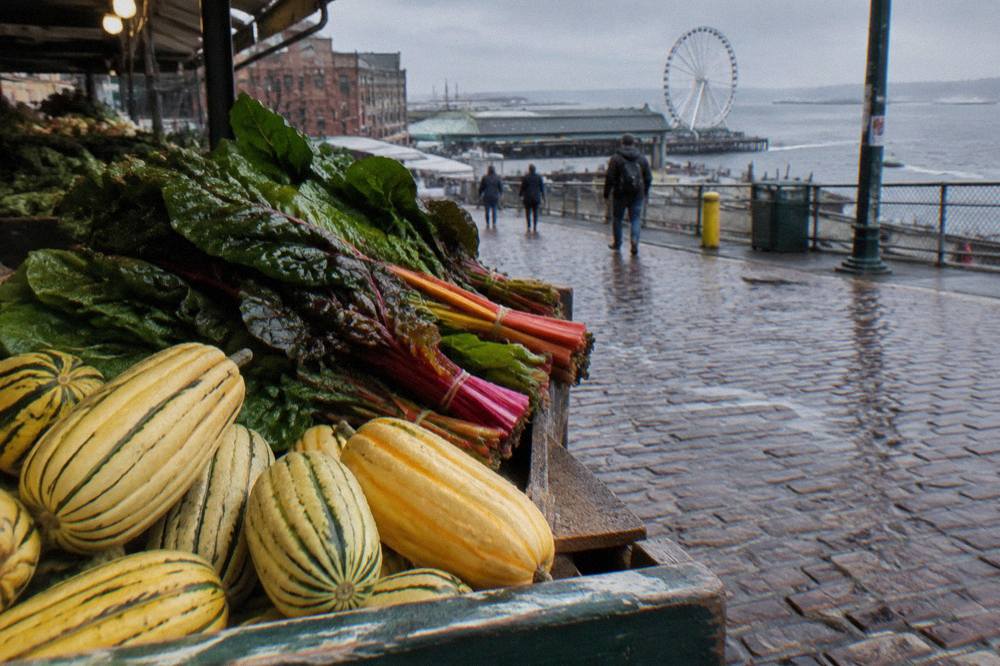
Ballard earns its reputation. The market stretches along the cobblestone block of Ballard Ave NW between 20th and 22nd, and the neighborhood around it is one of the city's best food walks on a Sunday, with more than a dozen breweries and cideries within about a mile. Come at 9 with the serious shoppers, buy whatever looks best, and then let the afternoon drift into taprooms. The Ballard farmers market Sunday guide on this site goes deeper on what to eat around the stalls. If you would rather have a guide handle the neighborhood's food and beer in one pass, the Craft Beer Tasting Tour in Ballard Brewery District with Food covers tastings at Stoup Brewing, Fair Isle Brewing and the Jolly Roger Taproom with chicken and empanadas along the way, from $99 per person for 2 hours 30 minutes, rated 4.9 across 29 reviews.
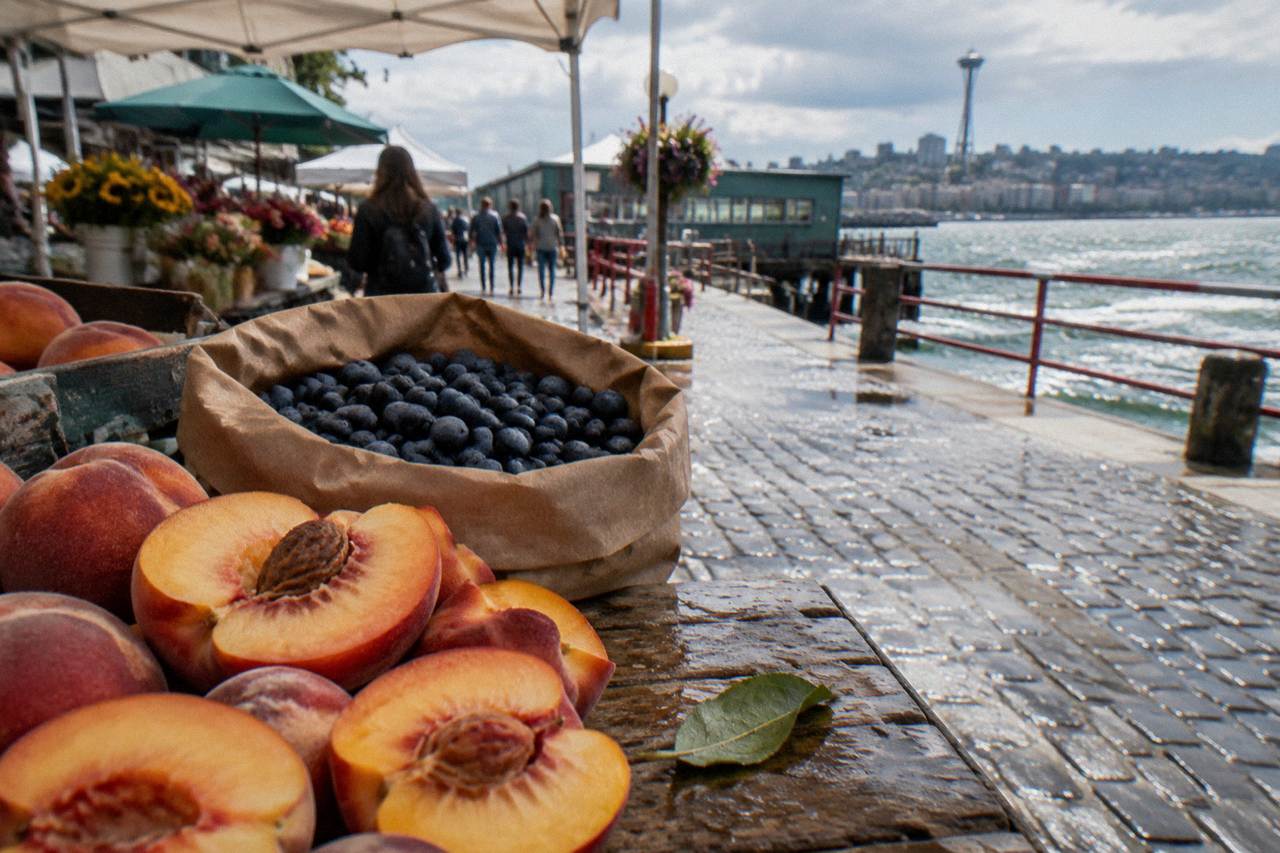
Fremont's Sunday market is a different animal. It lists 200-plus artisans in season alongside the food, runs a full 10 to 4, plus covered, heated winter markets, per its organizer's site at Fremont Sunday Market. It is the best market for people who want browsing and snacks rather than a grocery run. West Seattle, over the bridge on California Ave SW, is the most purely local of the four, and its 10 to 2 window leaves time for a walk to the water afterward. Capitol Hill's market on E Barbara Bailey Way is the easiest to reach without a car, sitting a few blocks from light rail.
If you want two markets in one Sunday, the geometry works: shop Ballard at 9, eat lunch there, and finish at Fremont, or do West Seattle mid-morning and Capitol Hill after its 11 a.m. opening, since the two are a direct bus ride apart. Trying to add a third usually costs more in transit time than it returns in produce.
Where Can You Shop A Seattle Farmers Market On Saturday?
The University District Farmers Market, Saturdays 9 a.m. to 2 p.m. year-round on University Way NE between NE 50th and NE 52nd, is Seattle's only weekend Saturday option among the year-round neighborhood markets. The Ave around it is dense with cheap eats, and the market itself leans heavily toward farm stalls and prepared food vendors.
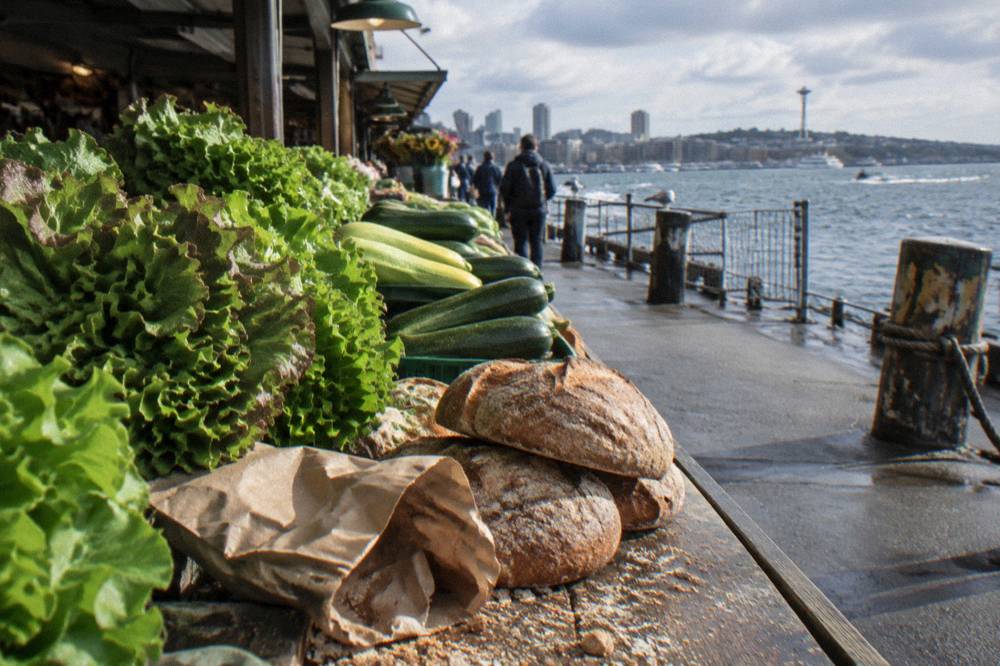
The U District market is the workhorse. Because it has Saturday to itself, it draws both shoppers and a long row of ready-to-eat vendors, and the surrounding blocks of University Way hold some of the best value noodle, teriyaki and bubble tea spots in the city, covered in the neighborhood-by-neighborhood eating guide. Link light rail serves the U District station a few blocks off the Ave, with an adult one-way fare of $3.00, and youth 18 and under ride free, which makes this the easiest market trip from downtown on transit. King County Metro's adult single ride is also $3.00, with a $6.00 regional day pass if a market crawl is part of a bigger day, per King County Metro's fare page.
A word on pacing: arrive near 9 and the farm tables are full and the lines short; arrive after noon and you are shopping the picked-over bins with everyone else. The last hour can produce deals on perishables, but it is a gamble, not a plan. Pairing the market with a cooked breakfast first is the local move, and the U District's diners and bakeries open earlier than the stalls do.
One honest caveat about Saturday: none of the five neighborhood markets runs a guided food walk, and none of the tours listed here visits one. What is bookable is Pike Place Market, which operates 363 days a year and is, functionally, the city's permanent daily market. The Chef Guided Food Tour of Pike Place Market, from $75 per person for 2 hours and rated 4.9 across 4,806 reviews, is the most reviewed market walk available, with nine standing tastings from vendors like Pike Place Chowder, Beecher's Handmade Cheese and Indi Chocolate, and it runs any day of the week, Saturday included.
What Can You Buy At Seattle Farmers Markets?
Expect farm produce, mushrooms, flowers, cheese, cider, bread, preserved fish, honey and a rotating line of prepared-food vendors, with the exact mix shifting seasonally: greens and storage crops in winter, stone fruit, berries and tomatoes peaking July through September. Prices are set by each vendor, and no reliable per-item price list exists, so plan on cash or card and vendor-by-vendor pricing.
What makes Seattle's markets distinct is the growing region behind them. Western Washington farms reach the city quickly, so the produce is genuinely local. NOAA's climate normals at Sea-Tac note the seasonality that matters most: July and August average highs of about 77 to 78 degrees with under an inch of rain, and that is peak market season. By November, the wettest month at 6.31 inches of rain on average, the markets thin to the hardy core, hardy shoppers and winter squash, and that covered, heated Fremont winter market starts looking smart.
| Season | What Peaks At The Markets | What To Expect At The Stalls |
|---|---|---|
| March to May | Greens, radishes, asparagus, rhubarb | Fewer fruit vendors, strong flowers and cheese |
| June | Strawberries, cherries, first peas | Full vendor counts, longest days |
| July to August | Berries, stone fruit, tomatoes, peppers | Peak season, biggest prepared-food rows |
| September to October | Apples, pears, squash, mushrooms | Harvest depth, fall cider pushes |
| November to February | Storage crops, greens, cheese, preserves | Slimmer farm rows, covered winter setups |
Two shopping notes worth the space. First, bring a bag. Second, the freshest salmon at a market stall in late May is an event: the 2026 Copper River season opened May 22, with the first fresh fish reaching Seattle around May 27 and first restaurant plates around June 1, so a late-May or June market visit lines up with the arrival of the year's most hyped sockeye. Wild Alaska brings five Pacific salmon species to market over the season, Chinook, sockeye, coho, pink and chum.
Is Pike Place Market A Farmers Market?
Partly. Pike Place is a permanent public market open 363 days a year, with 70-plus farmers, 220-plus independent shops and restaurants and 150-plus craftspeople inside it, so it contains a farmers market rather than being one. The neighborhood markets in this guide are single-day street events; Pike Place is a daily institution, and the only one of the two that guided food tours actually run through.
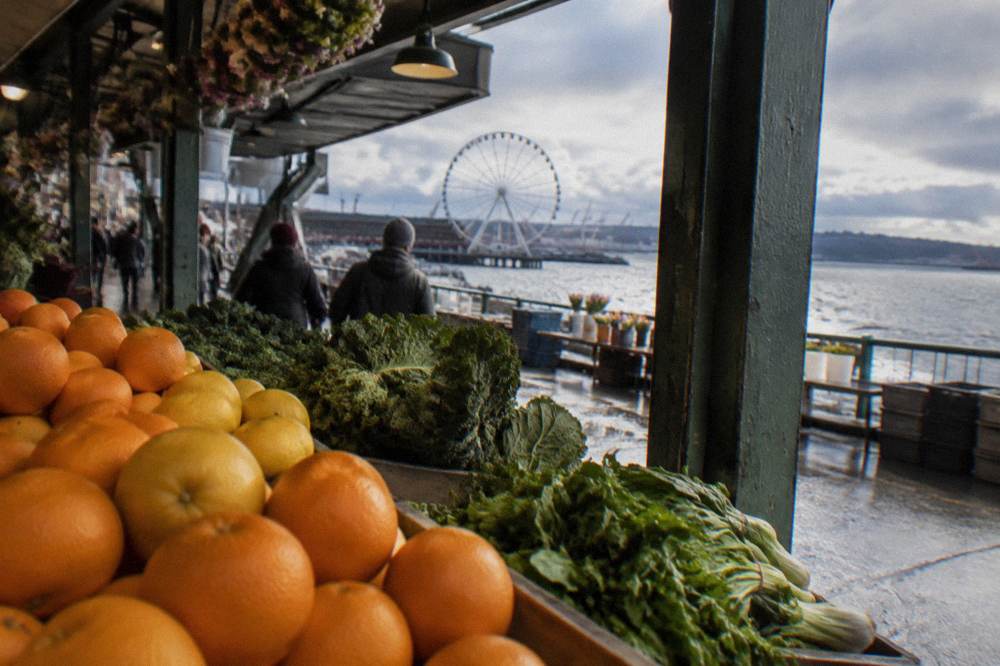
The distinction matters for planning. At Pike Place, farm tables run 9 a.m. to 4 p.m., the crafts market runs 11 a.m. to 4 p.m., and the Market's own visitor guidance says mornings before noon are generally less crowded, per the Pike Place Market visitor FAQ. Fish throwing at Pike Place Fish happens when a customer buys a fish, between 7 a.m. and 5 p.m. daily. Those hours mean a Pike Place morning can precede an afternoon neighborhood market, though most people find one market per day is plenty. One current wrinkle: the Market's street access pilot, Phase 3, runs October 1, 2026 to March 31, 2027, with Pike Place shared by cars and pedestrians Monday to Thursday and access limited Friday to Sunday between 11 a.m. and 4 p.m. at 1st and Pike, so a morning visit dodges the worst of it.
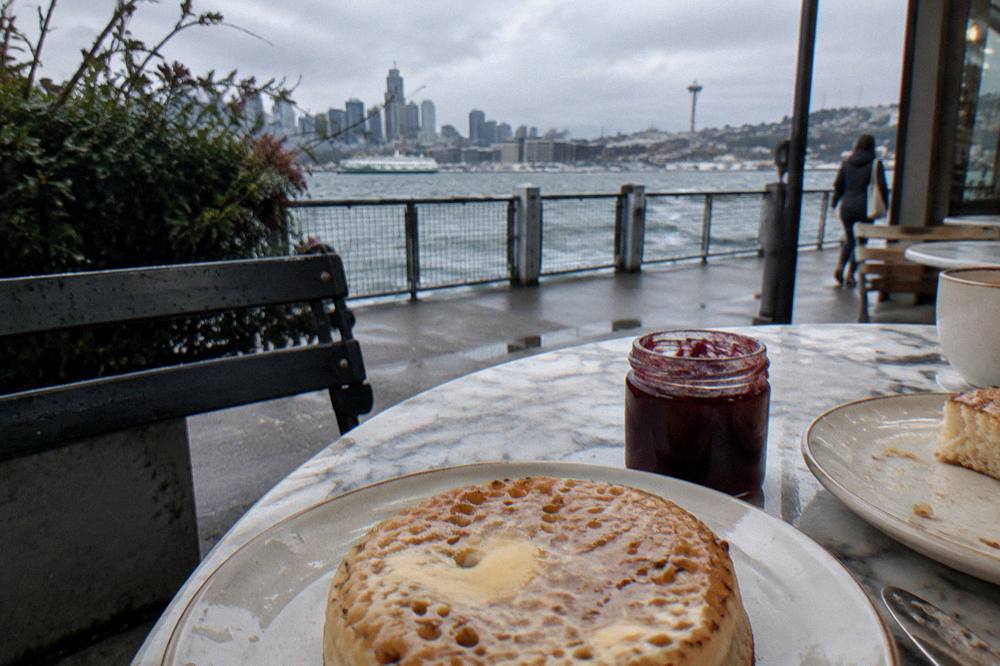
This is also where the bookable side comes in. Tours inside the Market run under a Market-issued permit that caps groups at 16 people per guide, with no amplified sound, so a permitted walk is a different experience from wandering with a map. Beyond the chef-guided walk mentioned earlier, the Food Tasting and Arts Tour of Pike Place Market, from $65 per person for 2 hours and rated 5.0 across 32 reviews, mixes tastings with the Market's arts side, starting at Victor Steinbrueck Park. The Pike Place food guide on this site covers what to eat if you go unguided.
For a fuller tasting version of the same idea, the Pike Place Market: Original Food Tour runs 2 hours 15 minutes from $112 per person, rated 5.0 across 670 reviews, with the listing describing 14-plus tastings from 8 vendors and gratuity included, so the price you see is closer to the price you pay.
How Do You Get To Seattle Farmers Markets Without A Car?
Every market in this guide is reachable by transit: University District and Capitol Hill sit near Link light rail stations at a $3.00 adult one-way fare, Ballard and Fremont are served by King County Metro buses at $3.00 per adult ride or $6.00 for a regional day pass, and West Seattle connects by bus or rideshare across the bridge.
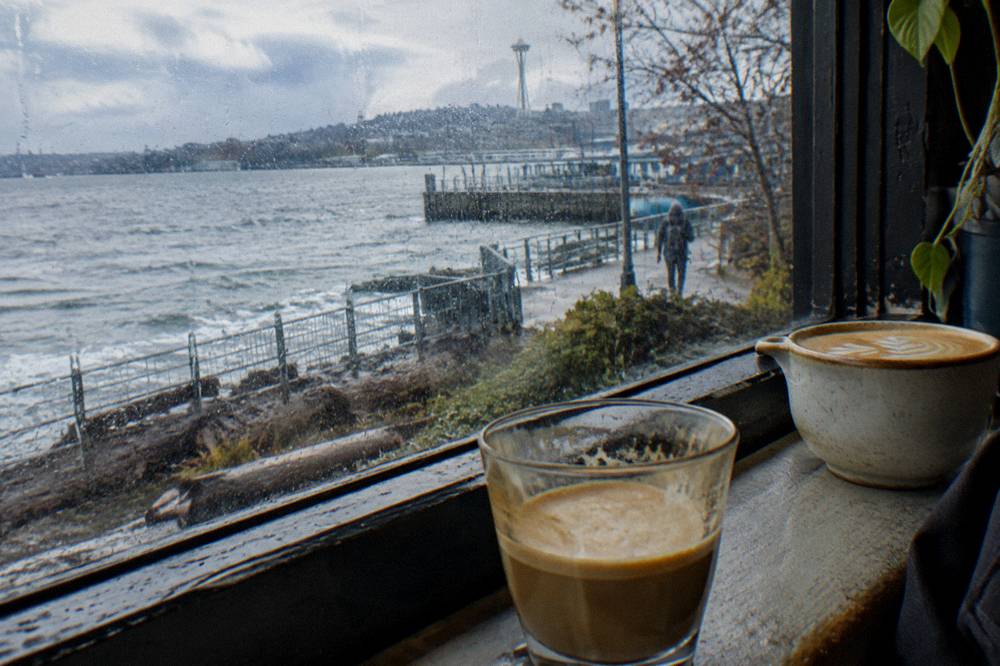
The transit math favors a two-market Sunday only if the markets are on one line. Ballard to Fremont is a short bus hop up Leary Way, and U District to Capitol Hill is a few light rail stops, so those pairings cost under an hour in total travel. West Seattle is the outlier: fine as a single-market day, awkward as a leg in a crawl. Tapping a contactless bank card or an ORCA card works across Metro and Link, which removes the ticket-machine fumble. If you are staying downtown without a car entirely, this is one of the easiest market cities in the country: your Saturday option and two of your Sunday options are all inside a $6.00 day pass's reach. For a car-free day beyond the markets, the guide to Woodinville wine tasting by bus shows how the same transit logic carries you to the Warehouse District and Hollywood Hill tasting rooms.
For visitors docking off a cruise or flying out late, note the asymmetry of the week: Saturday has one market, Sunday has four, and weekdays have none of the neighborhood markets at all. Pike Place is the weekday answer, open every day but Thanksgiving and Christmas, with breakfast and produce rows starting at 7 a.m.
When Is The Best Time Of Year For Seattle Farmers Markets?
July through early October is the sweet spot, combining peak produce, the driest weather, July and August highs around 77 to 78 degrees with under an inch of rain, and full vendor rows; November through February is the quiet season, wet but uncrowded, with the Fremont market moving under cover; and late May into June brings the Copper River salmon arrival to Seattle stalls and menus.
The honest answer is that the markets reward off-peak visits too. A February Sunday in Ballard is cold and drizzly, but the vendors have more time to talk. November, the wettest month in the climate normals, is when you see the city's rain-or-shine promise actually tested, and the markets pass. What changes seasonally is abundance, not existence.
| Market | Best Season Strength | Worst Season Trade-Off |
|---|---|---|
| Ballard | Peak summer fruit, best street setting | Cobblestones get slick in rain |
| University District | Prepared-food row, easy rail access | Saturday-only, no Sunday option |
| West Seattle | Relaxed, most local crowd | Farthest from downtown |
| Capitol Hill | Latest start, pairs with brunch | Smallest footprint |
| Fremont | Crafts plus food, covered in winter | More browse than groceries |
One seasonal event worth building a trip around, hedged: the fall 2026 Seattle Restaurant Week ran October 18 to 31 with prix-fixe tiers at $20, $35, $50 and $65, and a spring 2027 edition is expected with dates not yet published. It is not a farmers market, but it slots into the same eat-local impulse, and a market morning plus a restaurant-week dinner is a strong autumn food day.
How Do You Pair A Market Visit With A Guided Food Walk?
The pattern that works: shop a neighborhood market on its day, then book a guided walk for the day the market is closed, since Pike Place tours run daily while neighborhood markets do not; or reverse it, with a morning Pike Place walk at 9 or 10 when the Market is calmest, then a Sunday market after noon. Prices for guided market walks run from $50 to about $160 per person depending on length and inclusions. Once the tour wraps and appetite takes over, a guide to finding the best teriyaki in Seattle maps out which shops sit closest to the market neighborhoods and which guided walks pair well with a casual teriyaki crawl.
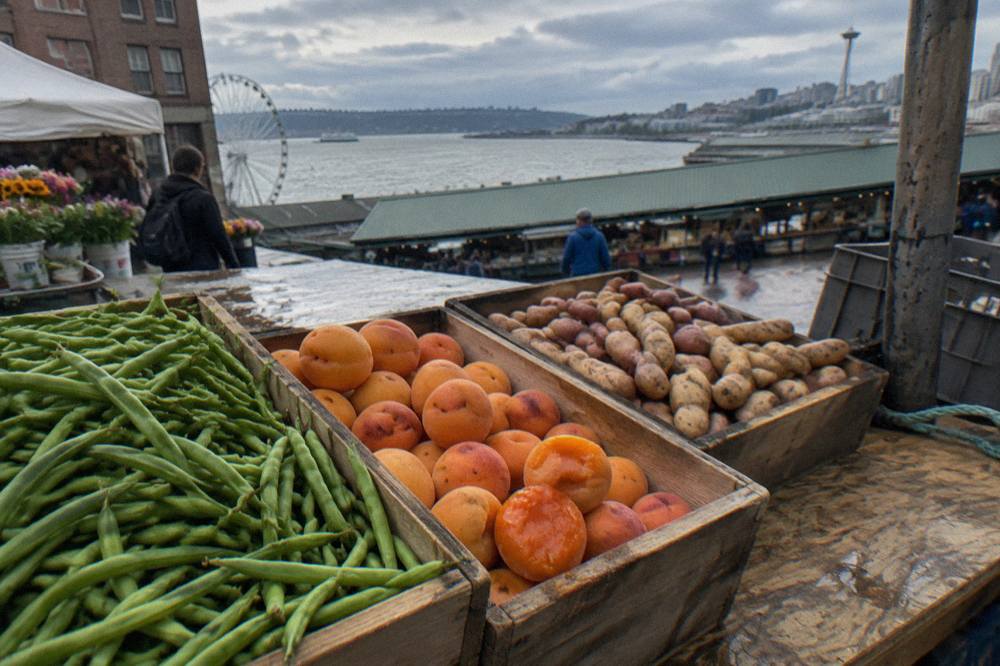
The two experiences answer different questions. A farmers market is you, unguided, sampling what a vendor offers and buying what looks good. A guided walk is someone else's map: the tours covered here include the Chef Guided Food Tour of Pike Place Market at from $75 for 2 hours, 4.9 across 4,806 reviews, the Food Tasting and Arts Tour at from $65, and, for a longer tasting walk, the Original Food Tour at from $112 with tips included. All three start inside or at the edge of Pike Place, all run year-round, and all list free cancellation on their booking pages, which matters when Seattle weather makes its own plans.
For readers whose market morning is in Ballard, the pairing logic holds there too: the craft beer and food tour through the Ballard brewery district runs about 2 hours 30 minutes from $99 and finishes what the market stalls start. Fremont's market sits a short walk from where the city's cocktail walk begins, though the one private cocktail tour on offer there is a bookable separate experience rather than a market add-on, and its total depends on group size per its tiered per-person pricing.
Which Seattle Farmers Market Fits Your Trip?
Pick University District for a Saturday, Ballard for the strongest all-around Sunday, Fremont for browsing and bad-weather cover, West Seattle for a local pace, and Capitol Hill for a late start near brunch and rail; and if your free day is a weekday, Pike Place Market is the daily market that never takes a day off except Thanksgiving and Christmas.
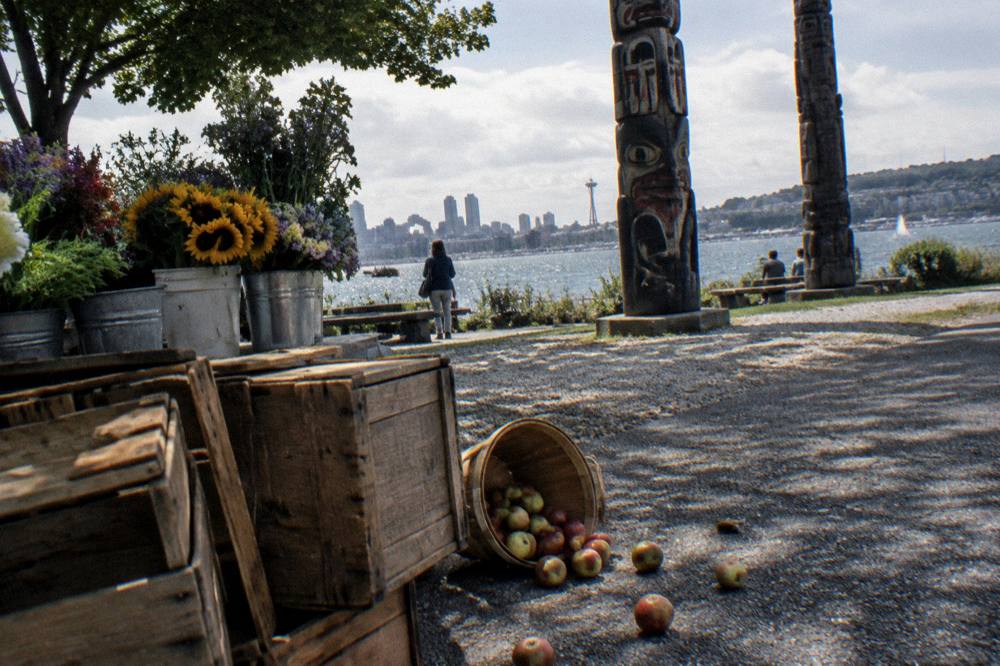
By now the shape of the week should be clear, but the decision usually comes down to three questions. Which day is free, since that alone eliminates four of the five neighborhood markets. Whether the goal is groceries or grazing, since Fremont and the U District lean prepared-food while Ballard leans farm stalls. And whether weather cooperation matters, since November through February weekends reward the covered Fremont setup over the open-air streets. For most first-time visitors, the winning formula is a Saturday or Sunday market in one neighborhood plus a guided Pike Place walk on the opposite day, which together cover both halves of Seattle's market culture, the daily century-old institution and the weekly street fairs that keep the neighborhoods fed.
Common Questions About Seattle Farmers Markets
What Days Are Seattle Farmers Markets Open?
University District runs Saturdays 9 a.m. to 2 p.m. Ballard, West Seattle, Capitol Hill and Fremont run Sundays, at 9 to 2, 10 to 2, 11 to 3 and 10 to 4 respectively. All five run year-round, rain or shine.
Which Seattle Farmers Market Is The Best?
Ballard is the strongest all-around market on the cobblestones of Ballard Ave, with the deepest vendor list and the best surrounding food neighborhood. Fremont is the pick for crafts and covered winter shopping, and University District is the only Saturday option.
Are Seattle Farmers Markets Open In Winter?
Yes. All five run year-round. Fremont runs covered, heated winter markets, while the others stay outdoors; November is the city's wettest month, averaging 6.31 inches of rain.
Is Pike Place Market A Farmers Market?
It contains one. Pike Place is a permanent public market with 70-plus farmers, 220-plus independent shops and restaurants, and 150-plus craftspeople, open 363 days a year. The neighborhood markets in this guide are single-day weekly street events.
Do Any Tours Visit Seattle Farmers Markets?
None of the tours listed here visits the neighborhood markets. The bookable market walks all run through Pike Place Market, which operates daily, led by the Chef Guided Food Tour of Pike Place Market from $75 per person for 2 hours.
How Much Does It Cost To Get To Seattle Farmers Markets?
A King County Metro adult ride is $3.00, a regional day pass is $6.00, and Link light rail is $3.00 adult one-way with youth 18 and under free. Every market in this guide is reachable by bus or rail.