Who Has The Best Teriyaki In Seattle?
No single shop owns Seattle teriyaki. Here is how to think about the question, where the local style came from, and which guided walks pair best with a teriyaki crawl.
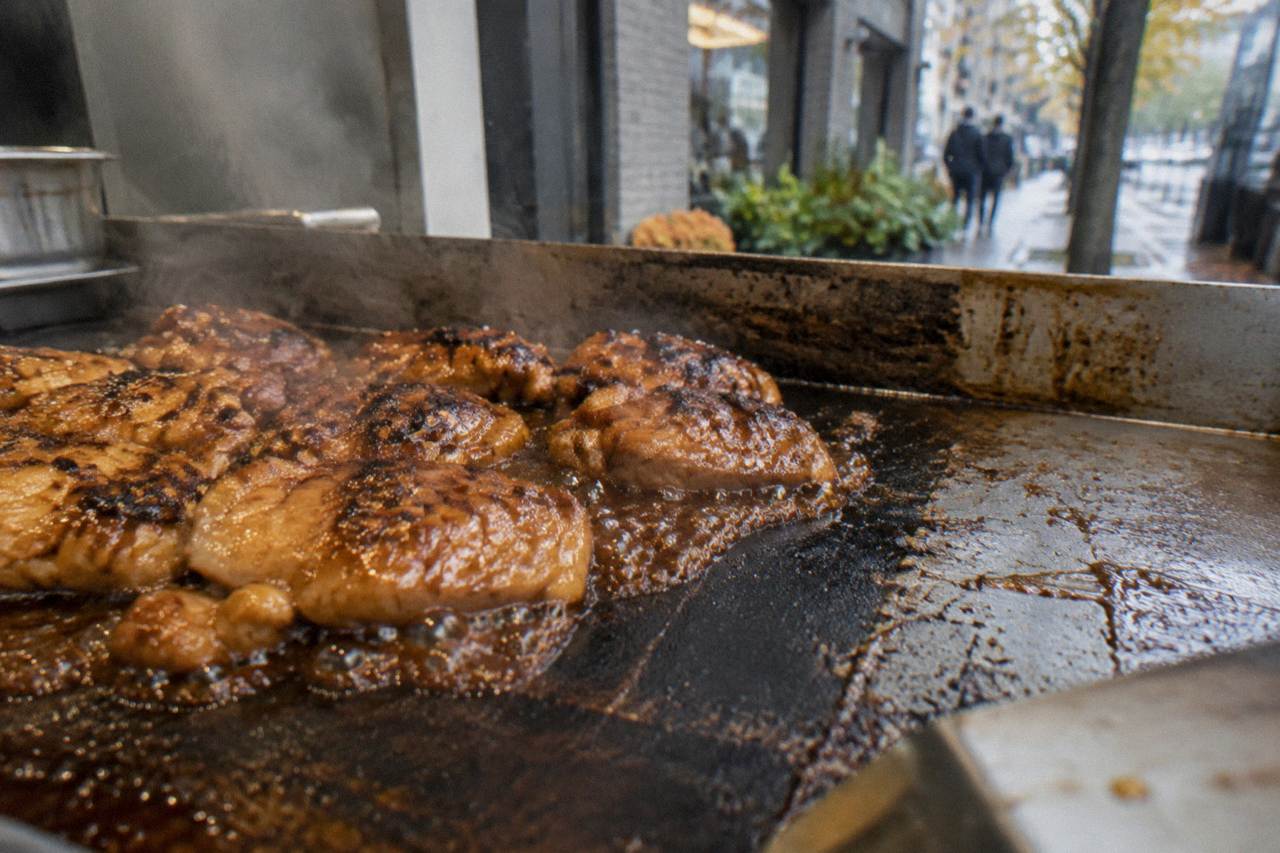
No shop can honestly be called the single best teriyaki spot in Seattle, because no ranking with verifiable evidence exists and local tastes split sharply between charred, thick-cut chicken and a sweet, glossy sauce over a big rice plate. What the city does have is a distinctive style, dozens of neighborhood shops, and guided walks that pair well with a teriyaki crawl. The honest answer starts with the style, not a crown. To see how that teriyaki style fits among the city's other one-of-a-kind foods, the guide to what you can only get in Seattle covers everything from Beecher's cheese to geoduck, plus the walks that pair with each.
That may feel like a dodge, so let us be concrete about why. Ask ten Seattle residents to name the best teriyaki in the city and you will get roughly ten answers, each delivered with total conviction. The shops people defend are usually the ones near where they worked, went to school or grew up. Teriyaki in Seattle is a lunch-and-takeout food woven into daily routine, and routine builds loyalty that no critic can override. Any listicle that crowns one shop is really crowning one writer's commute.
The city's relationship with teriyaki runs deep enough that this site keeps a full companion piece on the subject: the Seattle teriyaki style guide covers the history, what makes the local version different from the Japanese original, and where to look neighborhood by neighborhood. Think of this page as the question-first version: it answers who has the best, then shows you how to run your own taste test in a single afternoon.
A practical route for a teriyaki day pairs the eating with a guided walk, because the best shops sit in residential and commercial strips that reward a local's orientation. Two options fit naturally. The chef guided Pike Place walk is rated 4.9 across 4,806 reviews, runs two hours from the corner of 1st Ave and Pine St, and costs from $75 per person, giving you a grounding in how Seattle eats before you go hunting sauce. If you would rather spend the evening on restaurant food, the Downtown Seattle Restaurant Tour with Drinks and Food visits downtown restaurants and bars over two and a half hours, rated 4.7 across 89 reviews and priced from $135 per person, with appetizers and drinks included.
Why Is Teriyaki Such A Big Deal In Seattle?
Teriyaki matters in Seattle because the city developed its own takeout version of the dish, spread through small neighborhood shops rather than restaurant chains, which made it a default workday lunch for generations of residents. The exact origin story is debated and no verified founding claim exists, so treat any single shop's story as local lore. What is verifiable is the result: the dish is a Seattle staple the way cheesesteaks belong to Philadelphia.
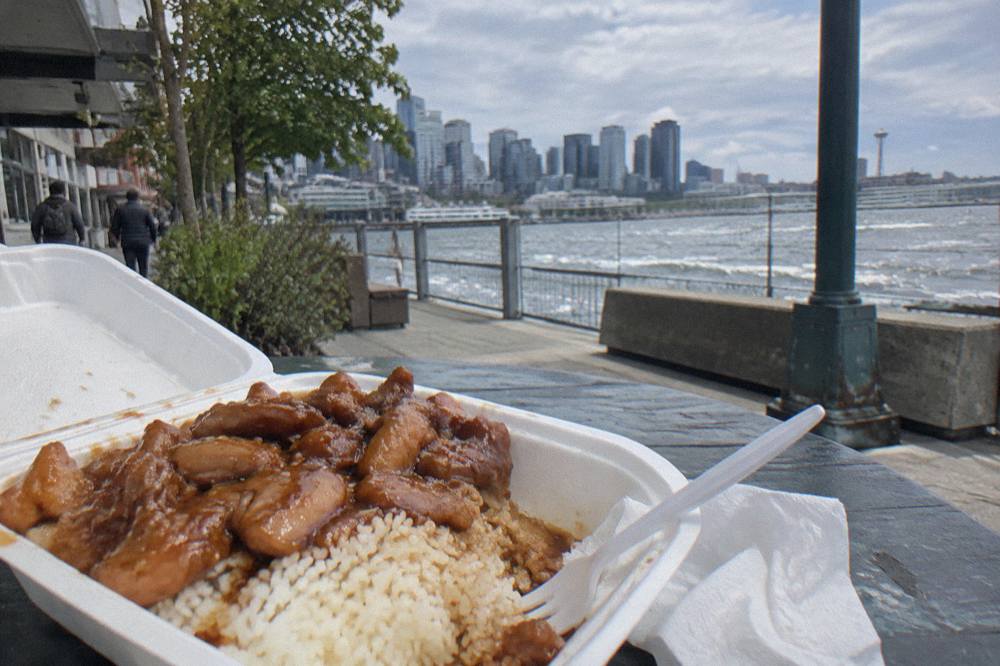
The local version differs from Japanese teriyaki in ways that matter to the taste test. The Seattle style generally means a generous protein portion, usually chicken thigh, grilled with char and then coated or served with a sweeter, thicker sauce than the delicate glaze of a traditional preparation, all over a large bed of rice, often with a simple salad. It is built for volume, speed and portability, the food of a working city rather than a ceremony.
Because the style lives in small shops, quality varies block to block, and that is genuinely part of the pleasure. Some shops char their chicken hard, some make sauce that leans savory, some pile on cabbage salad, a few hand-cut everything to order. The sauce itself is the dividing line most locals draw first: the sweet-and-glossy camp and the savory-and-thin camp barely recognize each other's plate as the same dish, which is one more reason a single crown fits nobody. The variables a taster should watch for are simple:
| What to judge | What good looks like | Why it separates shops |
|---|---|---|
| Char on the protein | Visible grill marks, crisp edges | Thin, rushed grilling produces pale, steamed meat |
| Sauce balance | Sweet but with soy depth | Overly sweet sauce can mask older stock |
| Rice | Fresh, separate grains, large portion | Reheated or gummy rice sinks the whole plate |
| Cut and thickness | Hand-cut thigh, not uniform strips | Machine-cut portions can grill unevenly |
| Speed and volume | Fast service, generous plate | The style was built as a fast workday lunch |
Seattle's food identity gets described through salmon, coffee and the Market, and all of that is true, but teriyaki is the layer locals actually live on week to week. Visitor resources from Visit Seattle lean toward the famous market and waterfront foods, which is exactly why the teriyaki question is worth asking before you arrive: the answer takes you to neighborhoods most visitors never see.
If you want the deep background, the teriyaki style guide walks through the history and the neighborhoods in detail, and it is the owning guide for this question. This page stays on the practical side: how to run your own comparison, and what to book around it.
Can A Guided Tour Include Teriyaki-Style Stops?
No tour listed here is a teriyaki tour, and none of the tours listed here should be booked expecting one. What you can book are guided food walks whose stops lean toward the same category of generous, casual, locally loved eating: the chef guided Pike Place walk, the downtown restaurant tour and a seafood long lunch. The honest move is to tour for context, then crawl for sauce.
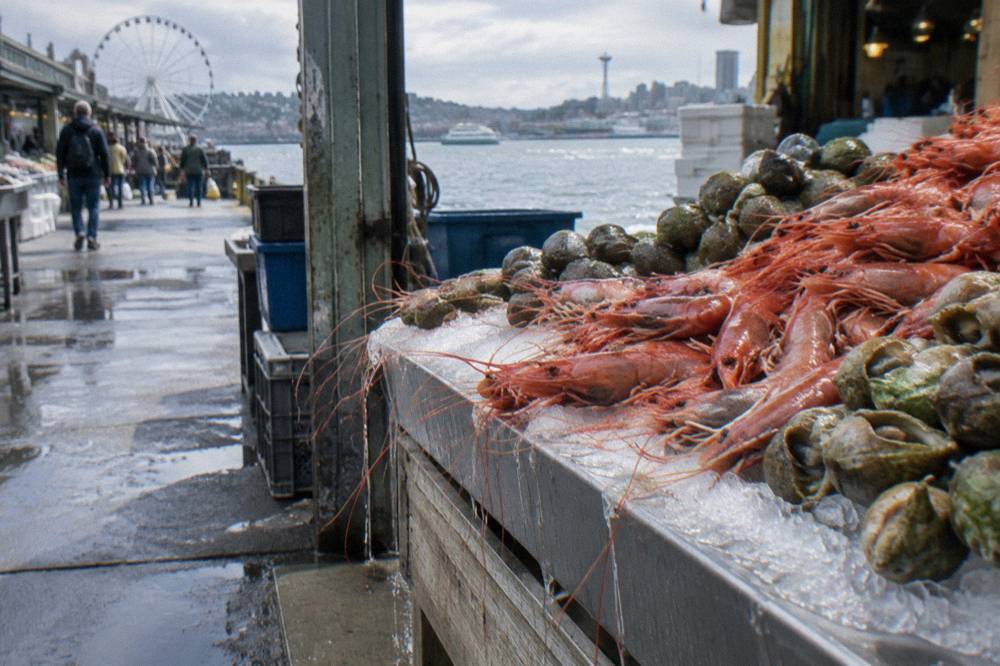
The closest fit depends on what kind of eater you are. If you want the broadest introduction to how Seattle actually eats, the chef guided walk through Pike Place Market is the most reviewed option available, at 4.9 across 4,806 reviews, two hours, from $75 per person, with nine vendor stops and standing tastings. It starts at the corner of 1st Ave and Pine St, which places you downtown and within transit reach of several teriyaki corridors when it ends.
If your teriyaki taste test is an evening plan, the restaurant tour works better as the daytime warm-up. It runs two and a half hours through downtown restaurants and bars, includes cocktails, appetizers and food, and is rated 4.7 across 89 reviews from $135 per person. It starts at the north end of Pike Place Market and routes through sit-down venues, which can make for a slower experience than the market walks.
| Tour | Duration | Rating and reviews | From price | Why it pairs with a teriyaki day |
|---|---|---|---|---|
| Chef Guided Food Tour of Pike Place Market | 2 hours | 4.9 across 4,806 reviews | $75 per person | Broad Seattle food context, downtown start |
| Downtown Seattle Restaurant Tour with Drinks and Food | 2 hours 30 minutes | 4.7 across 89 reviews | $135 per person | Evening-style appetizers and cocktails downtown |
| Seattle Seafood Tour: A Long Lunch of Market-Fresh Tastings | 2 hours 15 minutes | 4.7 across 40 reviews | $119 per person | The other Seattle food pillar, before or after teriyaki |
| Happy Hour Tour of Pike Place Market | 2 hours | 10 reviews | $30 per person | Cheap snack warm-up, drinks bought separately |
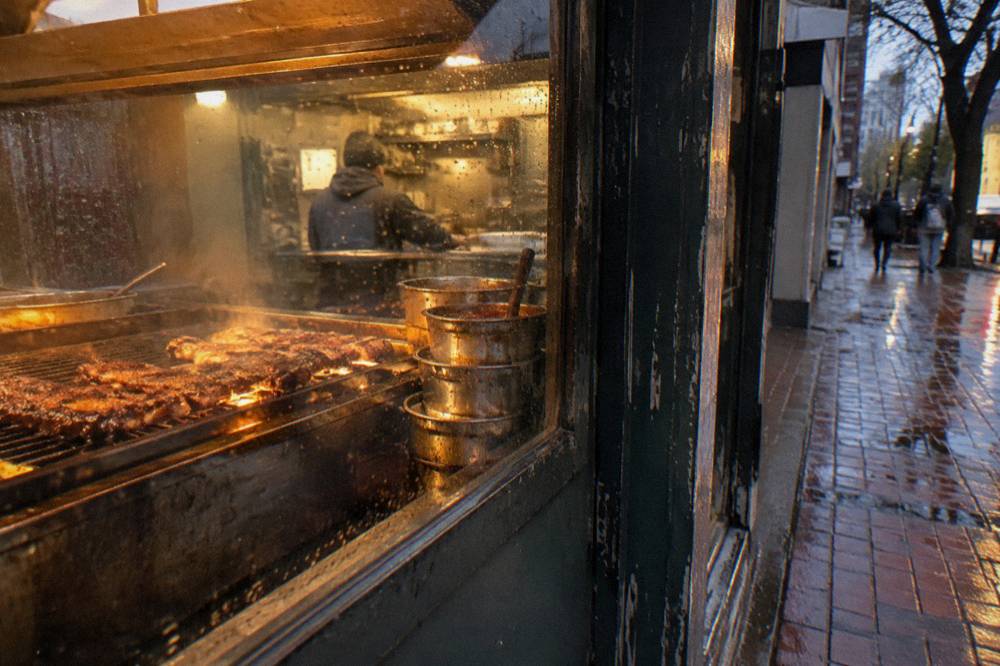
The seafood long lunch is the pick for eaters who want a tour to function as an actual meal. It runs two hours and 15 minutes, carries a 4.7 rating across 40 reviews, and starts at $119 per person, built as a long lunch of market-fresh tastings rather than a sprint. Schedule it as either the anchor of a slower food day or the counterweight to a cheap teriyaki dinner later, since fish at lunch and sauce at night rarely compete for the same appetite.
Budget watchers should look twice at the Happy Hour Tour of Pike Place Market. At two hours and $30 per person it is the cheapest guided option on the board, with only 10 reviews so far, and the trade-off is stated plainly: drinks are bought separately, so add the 10.55 percent sales tax to whatever you pour at the register.
Getting from tour to teriyaki is cheap. Link light rail charges adults $3.00 one way and riders 18 and under ride free, so families pay only the adult fares, and the cross-lake 2 Line opening on March 28, 2026 extends the same car-free math to riders from across the lake. A workable day stacks the pieces: a morning market slot while the crowds are thin, then transit over to the Chinatown-International District, where Tai Tung, which says it dates to 1935, and Kau Kau BBQ on S King St, which says it has served since 1974, bookend the neighborhood's older history. The only fixed limits on the plan are Thanksgiving and Christmas, the Market's two closed days.
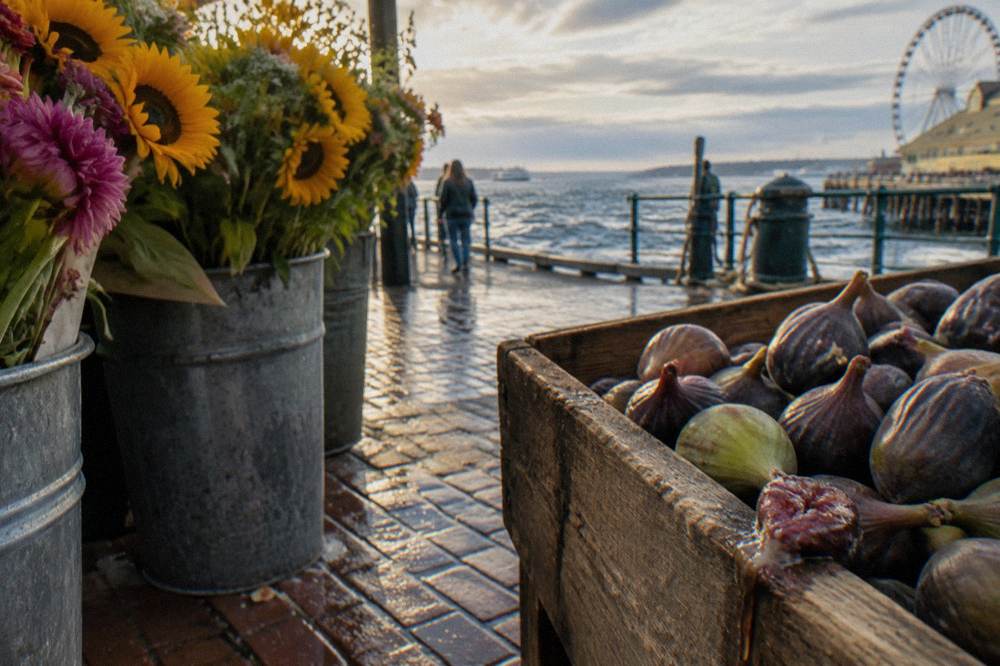
How Do You Run Your Own Teriyaki Taste Test?
Run the comparison as a two to three shop crawl in one walkable neighborhood, ordering the same dish at each stop: a chicken thigh plate with sauce on the side if offered. Compare char, sauce, rice and portion, photograph each plate, and stop at three shops maximum, because the plates are large and the differences blur once you are full. A single afternoon gives a defensible personal answer.
The method matters more than the shop list, and that is deliberate: this site does not rank teriyaki shops, because no ranking evidence exists and shop quality shifts with ownership and staffing. What you can control is the test itself. Order the same protein at each stop, eat in this order, char first then sauce then rice, and judge each plate within a minute of it landing, because the sauce soaks in fast and flattens the comparison.
Neighborhood selection shapes the crawl as much as shop selection. Look for walkable strips with multiple teriyaki shops close together; Capitol Hill, the Chinatown-International District and the neighborhoods around South Lake Union are the kind of areas where that is possible, and each has its own food character worth a second visit. The International District food walk guide covers one of those strips in depth, and the Capitol Hill food walk guide covers another; either makes a sensible backbone for the crawl since you will be eating your way through them anyway.
Transit keeps the crawl cheap and simple. King County Metro adult rides are $3.00 and a regional day pass is $6.00, per King County Metro's fare page, and Link light rail adult one-way fares are also $3.00, with youth 18 and under riding free. A day pass plus one neighborhood on foot is usually the whole transportation budget for a three-shop crawl.
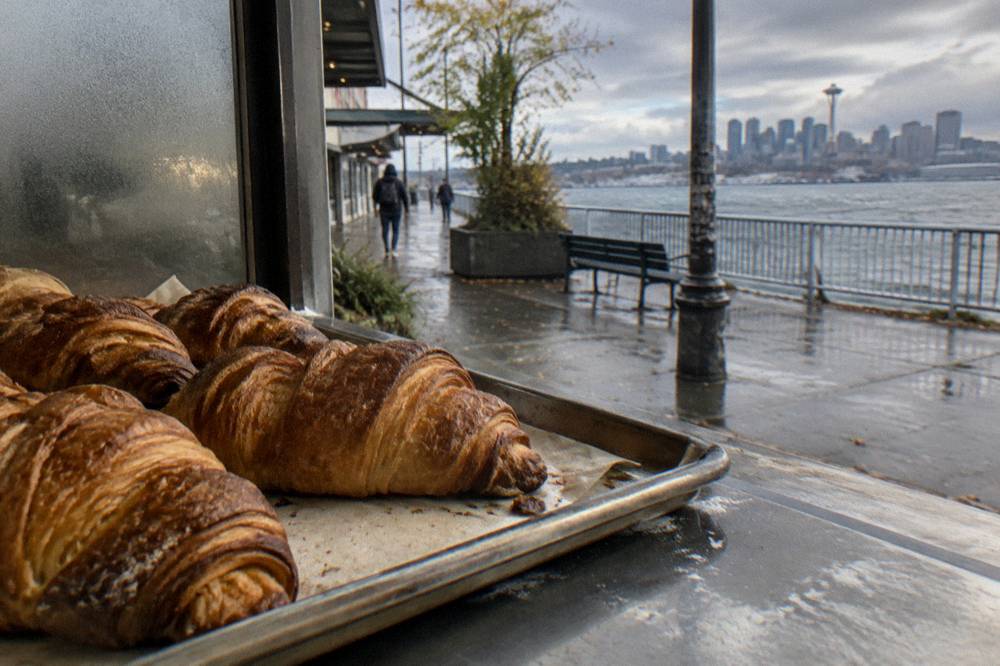
Season and timing change the experience more than visitors expect. Seattle's wettest months are November at 6.31 inches of rain, December at 5.72 and January at 5.78, against under an inch in July and August, per the NOAA 1991 to 2020 climate normals at Sea-Tac, published through NOAA's climate normals portal. A rain plan is not optional for a walking crawl between roughly October and April: pick strips with covered storefronts close together, and remember that sales tax of 10.55 percent is added at the register, so carry a little more cash than the menu math suggests.
| Crawl planning item | Planning range | Notes |
|---|---|---|
| Shops per crawl | 2 to 3 | Plates are large; differences blur past three |
| Same order at each | Chicken thigh plate | Controls the comparison |
| Transit budget | $3.00 per ride, $6.00 day pass | Metro adult fares, contactless tap works |
| Timing | Late morning or early afternoon | Beats the lunch rush at popular shops |
| Rain margin | 5 to 6 inches monthly in Nov to Jan | Choose covered, compact strips |
Where Should You Eat Around The Teriyaki Stops?
Build the day around complementary foods rather than more of the same: coffee in the morning, the Market or a guided walk midday, teriyaki in the afternoon, and seafood or happy hour in the evening. Seattle's strongest categories beyond teriyaki are salmon, oysters, chowder and coffee, and the city's compact geography puts all of them within a short transit radius of any crawl you choose. Spreading the day this way turns one question into a full itinerary.
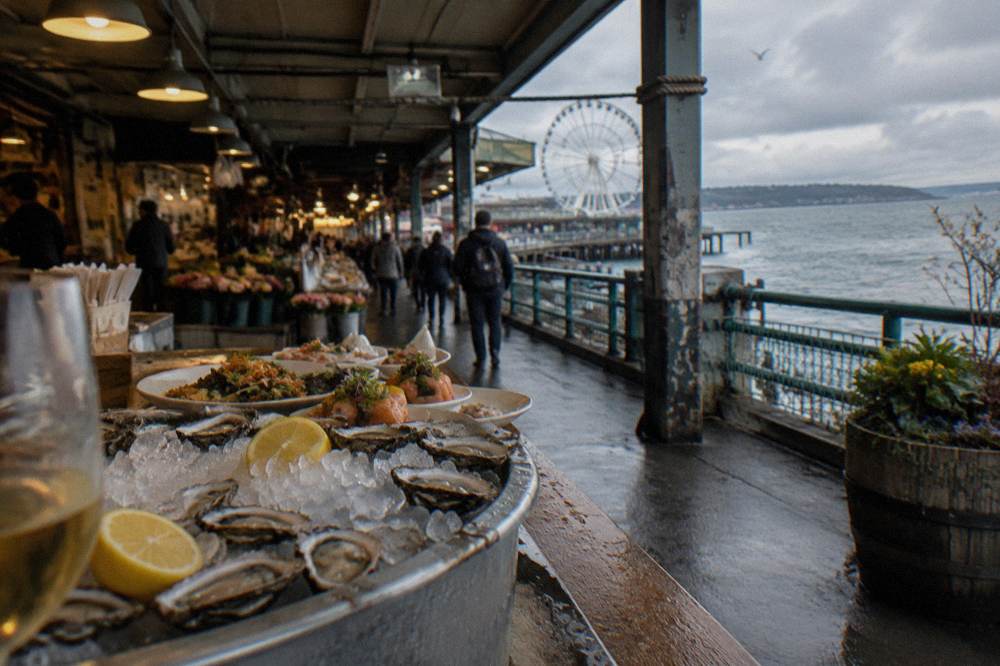
The seafood pairing is the most Seattle move available. Wild salmon, geoduck, Dungeness crab and year-round farmed oysters are the region's signature products, and several counters and oyster bars serve them downtown and at the Market. If you want the seafood leg of the day guided rather than self-directed, the Seattle seafood long lunch tour is the closest match: two hours 15 minutes, rated 4.7 across 40 reviews, from $119 per person, with a brunch-format meal across market and downtown seafood stops. It is the only seafood-themed walk of its kind among the options covered here.
Coffee fills the morning slot, and Seattle treats it as seriously as its food. The city's roasting lineage runs from Starbucks, which opened in 1971 and whose store at 1912 Pike Place is its oldest still operating, through Espresso Vivace in 1988, Caffe Vita in 1995 and Victrola in 2000. A morning coffee stop before the crawl is not filler; it is the local sequence, and the Seattle coffee walk guide maps the roasters worth the detour.
For the evening, the city's happy hour culture rewards planning. A guided version of the happy-hour idea exists: the Happy Hour Tour of Pike Place Market runs two hours from $30 per person, with snacks included and alcoholic drinks bought by guests at a discounted rate. It has 10 reviews so far, a small pool, so read the booking page's own description rather than relying on the rating.
What Should You Book Before You Go?
Book one guided walk for structure and leave the rest of the day self-directed. The chef guided Pike Place walk is the strongest single booking for a first visit: two hours, 4.9 across 4,806 reviews, from $75 per person, with nine standing vendor tastings starting at the 1st Ave and Pine St corner. Add the downtown restaurant tour for an evening with drinks included, or the seafood long lunch if salmon and oysters outrank teriyaki curiosity.
The summer case is straightforward. July and August bring average highs around 77 to 78 degrees with under an inch of rain, and Visit Seattle reported 39.7 million visitors to Seattle and King County in 2025, a volume that concentrates in the dry months and around the downtown core where most food walks start. A pre-booked walk in that window saves the morning-of scramble and locks your meeting point, which on the chef guided tour is a specific street corner that first-time visitors can otherwise spend time hunting.
Group size is worth a look on the booking page too. Walks inside Pike Place Market operate under a Market-issued permit that caps groups at 16 people per guide, so even the busiest market tours stay within that ceiling, and some smaller-format options go lower: the Insider's Breakfast Tour, for example, is listed at 12 people or less. If crowds are the thing you are trying to escape on vacation, a smaller cap matters as much as the route.
Pricing structure deserves one honest note before you book anything. Tour prices quoted here are from-prices per person, and the walks differ in what they include: the chef guided tour covers its tastings, the restaurant tour includes drinks and appetizers, while the Woodinville wine day trips covered elsewhere on this site price their tasting fees separately. Check inclusions on the booking page for whichever walk you choose, and note that none of these tours include pickup unless the page says so, most start at a stated street corner and expect you to arrive on foot or by transit.
The booking sequence this site suggests for a teriyaki-focused day looks like this: coffee near your hotel in the morning, the chef guided Pike Place walk at midday for the city's food context, your own two to three shop teriyaki crawl in the early afternoon in a neighborhood strip, and either a seafood counter or the restaurant tour to close the evening. One booked tour, one planned crawl, one flexible evening.
Common Questions About Teriyaki In Seattle
Who Has The Best Teriyaki In Seattle?
There is no single answer. No ranking with real evidence exists, quality varies shop to shop and locals defend the places nearest their daily routines. Run your own two to three shop crawl with the same order at each stop and you will have a better answer than any listicle can give you.
Where Did Seattle Teriyaki Come From?
The style developed in Seattle through small neighborhood takeout shops, but the specific origin claims are local lore and debated. Treat any single shop's founding story as charming rather than settled.
Is There A Teriyaki Tour In Seattle?
None of the tours listed here is a teriyaki tour. The closest bookable alternatives are general food walks: the chef guided Pike Place Market walk, the downtown restaurant tour with drinks, and the seafood long lunch.
How Much Does A Food Walk In Seattle Cost?
From-prices among the walks covered here range from $30 per person for the Happy Hour Tour of Pike Place Market, with 10 reviews, to $135 per person for the Downtown Seattle Restaurant Tour with Drinks and Food. The chef guided Pike Place walk is from $75 per person.
How Many Teriyaki Shops Should I Compare?
Two or three in one walkable strip, ordering the same chicken thigh plate at each. The plates are large, the differences blur once you are full, and one neighborhood keeps transit simple, with Metro rides at $3.00 for adults.