Seattle Teriyaki Guide: The Local Style And Where To Try It
Teriyaki in Seattle is not the bottled-sauce skewer of Japanese restaurant menus elsewhere. It is a fast, cheap, plate-lunch style the city treats as its own, and chasing the best version of it will pull you through half the neighborhoods worth eating in.
Short answer
Seattle teriyaki is a local fast-food style: grilled chicken or beef glazed in a sweet soy sauce, served over rice with a salad, sold from quick-service shops across the city. No dedicated teriyaki tour is listed on this site, but neighborhood food walks from about $58 to $75 per person pass close to the style's home turf.
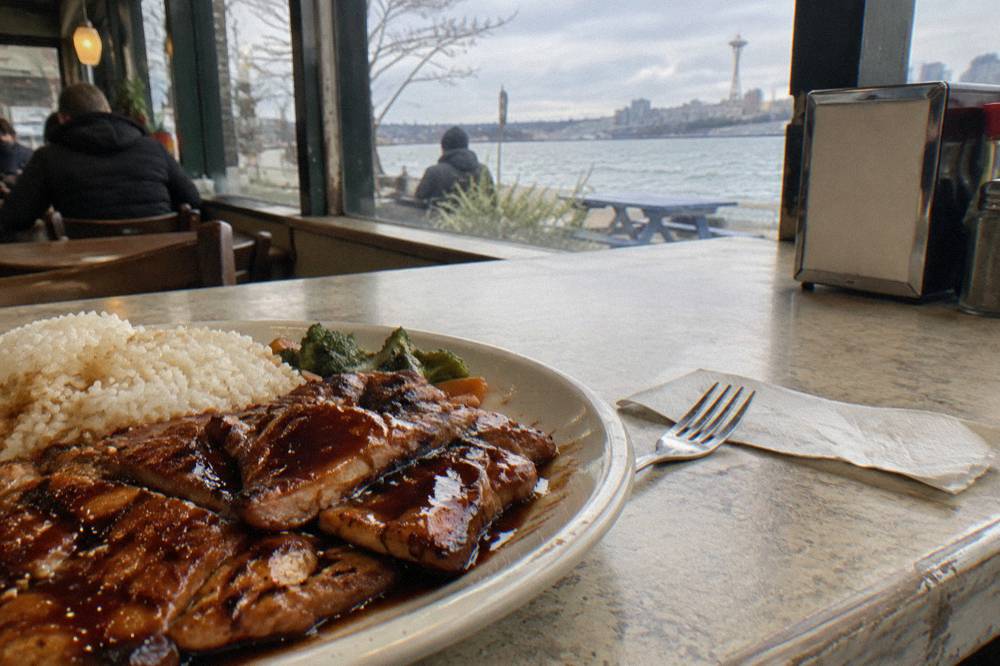
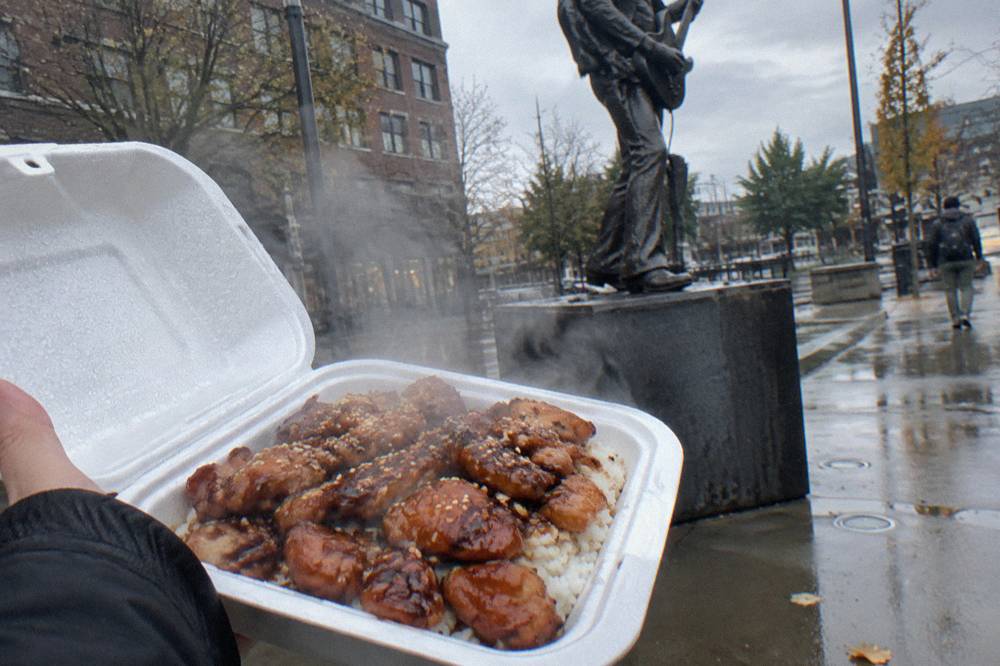
Chicken glazed dark and glossy, chopped on the flat-top, laid over a mound of steamed rice with a little cup of salad dressing on the side. In most of America that is a menu item. In Seattle it is a food group. Locals argue about the shops the way Portland argues about coffee. To eat like a local beyond the teriyaki counter, start with the guide to where Seattle locals actually eat.
This guide explains what the style actually is, where the chicken-and-rice plate came from, how to order one without sounding like a tourist, and how to fold the hunt into a bigger eating day. One honest note up front: no dedicated teriyaki tour is sold on this site, and no shop rankings appear here. What follows is practical: market hours, neighborhood market schedules, transit fares, and a set of guided food walks that put you within blocks of the hunting grounds. For readers who want a verdict anyway, the guide to who has the best teriyaki in Seattle explains how to judge the contenders and which food walks pair well with a crawl.
What Is Seattle Teriyaki And Why Is It Different?
Seattle teriyaki is a plate-lunch format rather than a classical technique: grilled meat in a sweet soy-based glaze, chopped and served over rice with salad, built for speed and volume. It is thicker, sweeter and heavier than the terse glaze of a Kyoto kitchen, and it is ordered at a counter, not a table. The difference is the format as much as the sauce.
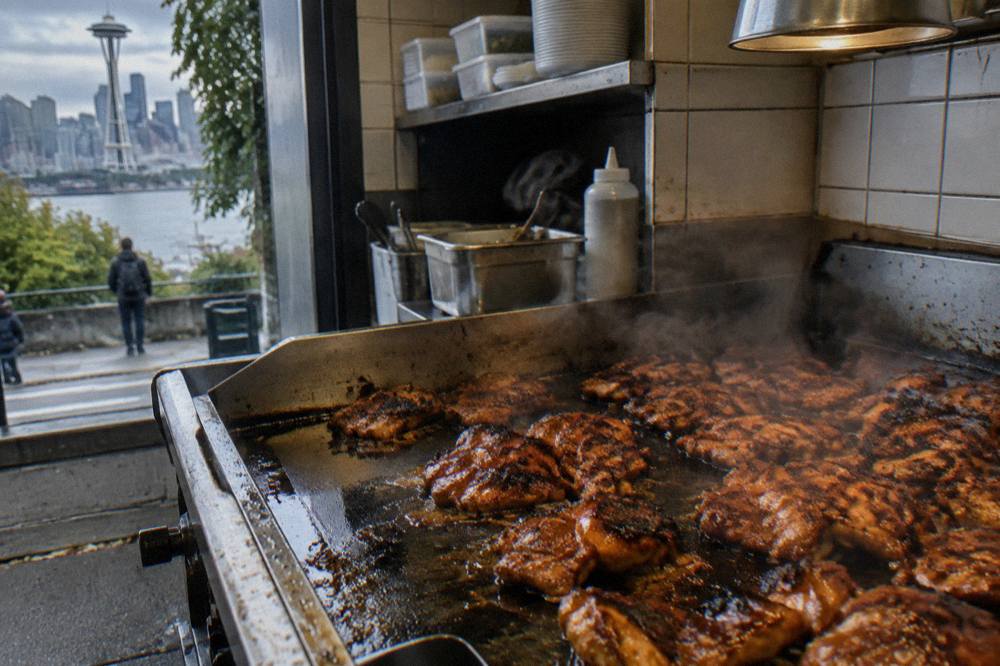
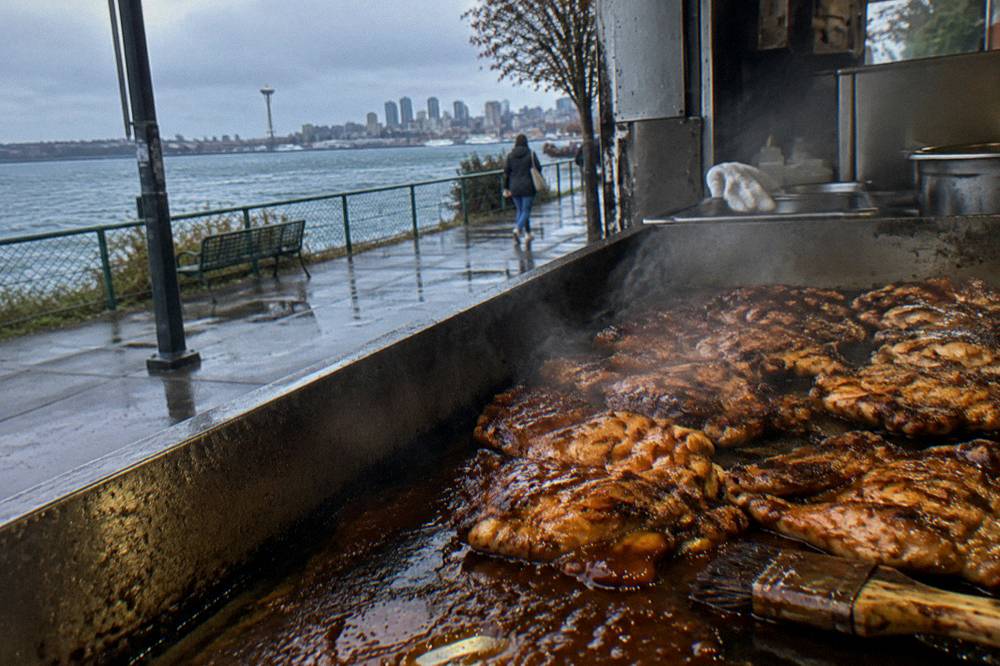
Start with the sauce, because that is where the argument lives. Traditional teriyaki in Japan is a lean cooking method, meat grilled with a light tare of soy, mirin and sake, finished glossy and served in small portions. The Seattle version keeps the name and the shine and discards nearly everything else. The glaze runs sweeter and thicker, often with garlic and ginger punched through it, and it is applied with a ladle rather than a brush. Cooks chop the meat on the griddle so every piece picks up caramelized edge, then stack it over rice so the sauce soaks down through the grain.
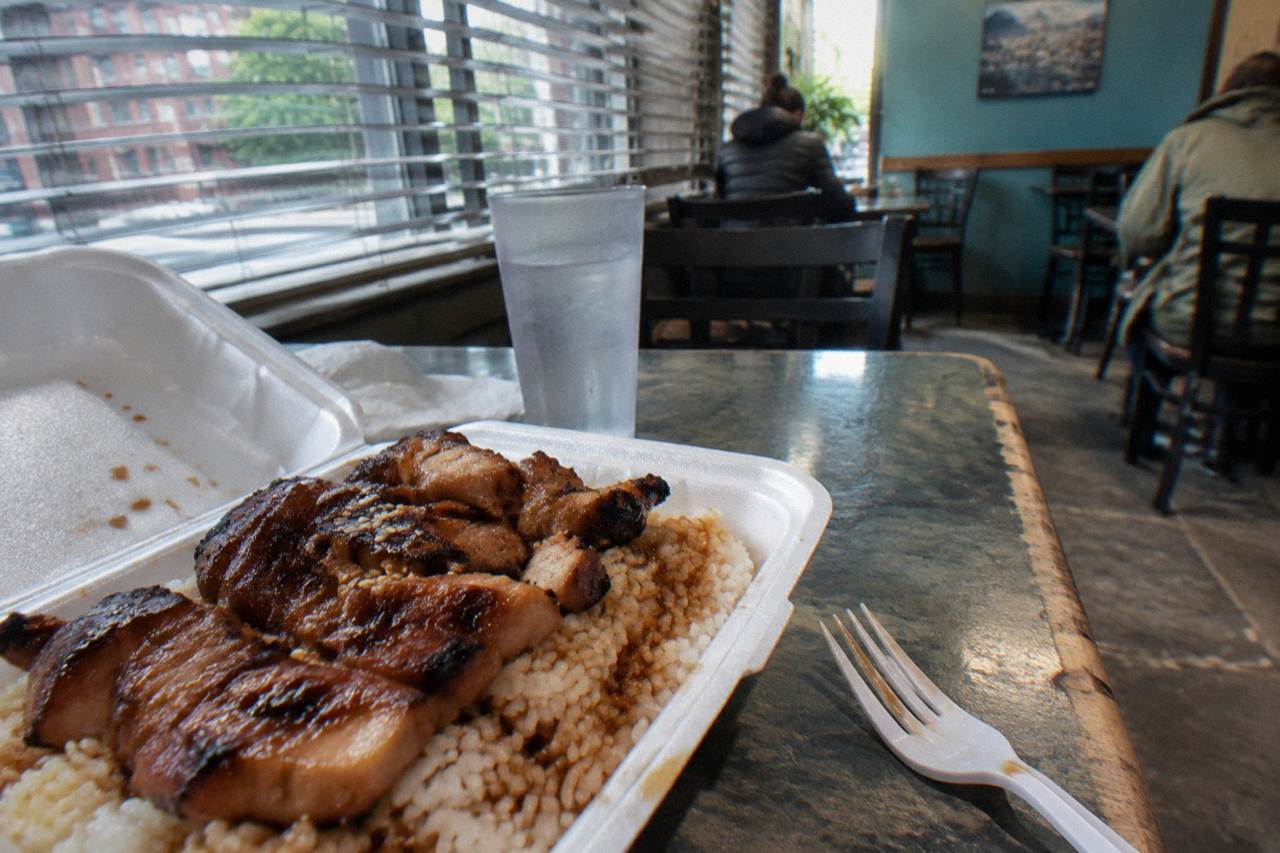
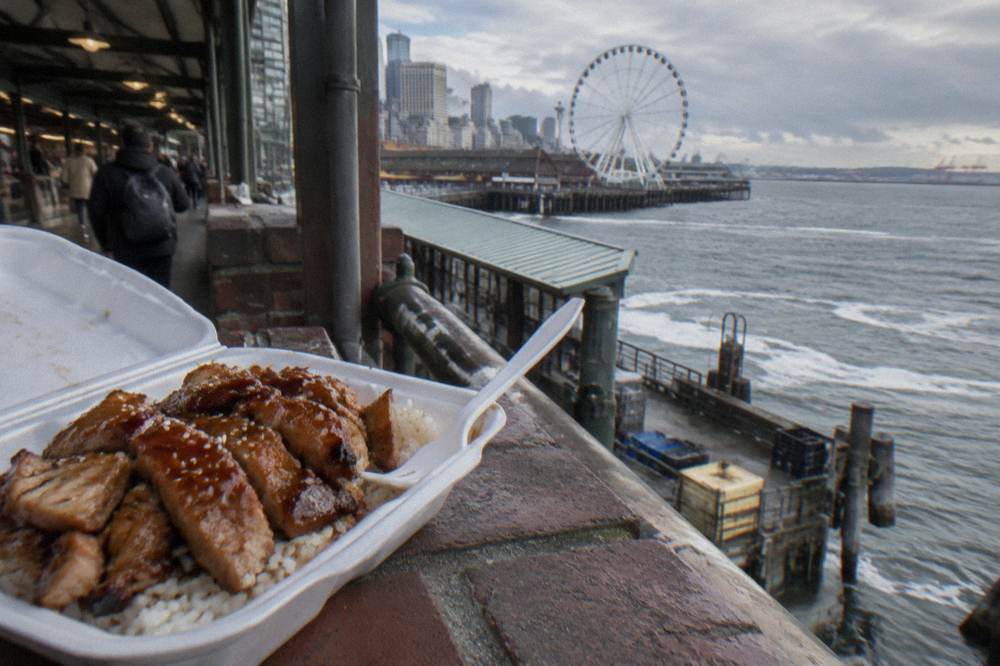
Then there is the portion. A Seattle teriyaki plate is a full meal, frequently two of them. Chicken is the default protein, thigh meat rather than breast on the better griddles, but beef, salmon, short ribs and Spam-style options appear across the city. The classic side is not miso soup but a shredded iceberg salad with a creamy dressing Ask a lifelong Seattleite what a "two-item" is and they will not hesitate: two proteins, one mountain of rice, one styrofoam container that weighs more than your phone.
The style is also, genuinely, local. You will find teriyaki in every American city, but the quick-service chicken-and-rice shop as a category, takeout-first, cash-fast, is a Seattle thing the way the drive-through coffee stand is. Teriyaki belongs on a longer list, and the guide to foods you can only find in Seattle covers the other dishes, and the walks that lead to them.
How you eat it matters too. This is fork food from a box, standing at a window ledge or on a bench, and the sauce is the reason Seattleites guard the extra-drizzle option so fiercely. The best moments come in the first five minutes, while the rice is still steaming and the glaze has not cooled into syrup. Plan your day around that window rather than fighting it.
Where Did Seattle Teriyaki Come From?
The honest answer is that the origin is credited rather than documented: the style is widely attributed to Japanese immigrant entrepreneurs who opened quick-service glaze-and-rice shops in the city in the 1970s, a story repeated across local food writing for decades. Toshi's Teriyaki, opened in 1976, calls itself Seattle's original teriyaki; the broader history remains a well-told local legend rather than settled fact.
The context around the legend sits on firmer ground. Seattle's Japanese American community is old and deep. The Chinatown-International District grew after the Jackson Street Regrade around 1910, and its historic core was listed on the National Register in 1986. Wing Luke Museum, open since 1967 and housed in the 1910 East Kong Yick Building since 2008, preserves exactly the pan-Asian Pacific American story that the teriyaki legend sits inside. Uwajimaya, the district's landmark grocery, started in 1928 in Tacoma and opened its Seattle store after World War II.
Somewhere in the decades after that, a quick-service format emerged: soy glaze, griddle, rice, speed. Whether one shop invented it or a hundred shops converged on it, the result is the same. In time the teriyaki joint became as ordinary a Seattle storefront as the espresso bar
The naming quirk is worth pausing on, because it tells you how the city sees the dish. Nobody in Seattle says "Seattle-style teriyaki" at home, the way nobody in Chicago says "Chicago-style pizza." It is just teriyaki, and the qualifier only appears when the plate leaves town.
If the history pulls you, the neighborhood to walk is the Chinatown-International District, and the site's International District food walk guide maps it stop by stop. The district's own layer of dim sum parlors, barbecue windows and bakeries is a separate feast, but the streets are the same streets, and the Uwajimaya and International District markets guide covers the grocery side in detail. Between them you can trace the community whose cooking traditions the teriyaki shop grew out of
How Do You Order Teriyaki Like A Local In Seattle?
Order by protein and portion, know that "combo" or "two-item" usually means two proteins over one bed of rice, and expect the whole transaction to take under a minute. Regulars say "chicken teriyaki" not "a teriyaki chicken bowl," they specify sauce on the side or extra sauce if they care, and they pay at the counter before the food lands.
The vocabulary is small but load-bearing. "Chicken teri" is the standard order almost everywhere. "Spicy chicken" means the same plate with a chili-laced glaze. "Beef teri" gives you thin-sliced, quickly griddled beef, less juicy but heavier in flavor. "Two-item" or "combo" stacks two proteins; the value math usually favors it if you are sharing or genuinely hungry. Some shops offer a "mini," a smaller box that is still a full meal by most standards.
Sauce is the second decision. Shops ladle the glaze on by default, and plenty of regulars ask for extra, which typically arrives in a small lidded cup. Sauce on the side keeps the rice from soaking through if you are eating over an hour rather than ten minutes, which matters on a walking day. White rice is universal; some shops offer fried rice or noodles as the base, and that choice says as much about the shop as the glaze does, since the plate-lunch purists hold the line on steamed rice.
Payment and timing complete the ritual. Most shops are counter-service with a bench or a window ledge, food lands fast, and the transaction is closer to ordering coffee than to ordering dinner. Tipping is not mandated and practice varies, so do what feels right at a counter. One practical note for your budget: Seattle adds 10.55 percent sales tax at the register on restaurant meals, so the number on the menu board is not the number you pay. That figure comes from the state revenue department's own rate tables and applies across the city.
Here is how a typical order breaks down across the common formats:
| Order | What You Get | Best For |
|---|---|---|
| Chicken teri | Chopped glazed thigh or breast over rice, salad side | The benchmark order, compare shops with it |
| Spicy chicken | Same plate, chili in the glaze | Adding heat to the benchmark order |
| Two-item / combo | Two proteins over one rice bed | Sharing or a serious appetite |
| Beef teri | Thin-sliced griddled beef, glaze on the side often wise | Heavier flavor, less juicy |
| Mini | Smaller box, still meal-sized | Sampling two shops in one walk |
The salad deserves one sentence of respect, because locals judge shops by it. The classic is iceberg with a sweet-creamy dressing, and a shop that hands you a sad dry pile alongside a perfect chicken plate loses points in every office argument in the city.
Which Seattle Neighborhoods Should You Hunt For Teriyaki In?
Hunt in the Chinatown-International District and the adjacent downtown core first, then Capitol Hill, the University District and the Rainier Valley corridor to the south, with Ballard and South Lake Union rounding out the list. No rankings appear here.
The International District is the spiritual center, and it is the easiest to fold into a visitor's day because it sits a short walk from Pike Place Market's southern edge. The district rewards a slow loop, dim sum in the morning, a barbecue window at lunch, teriyaki as the fast option between them. The site's food by neighborhood guide lays out the full city map if you want to plan beyond it.
Capitol Hill and the University District carry the student-shop tradition, big portions, late hours, aggressive pricing. Capitol Hill also holds the city's best coffee crawl territory, and the Capitol Hill food walk guide pairs the two well. The Rainier Valley corridor southeast of downtown rewards a bus ride: King County Metro's adult fare is $3.00 per ride, with a $6.00 regional day pass covering unlimited trips, per King County Metro's fare page.
Ballard and South Lake Union skew newer and glossier, shop formats grafted onto brewery patios and tech-lunch strips, and both make pleasant afternoon territory because of what surrounds them. Ballard alone has more than a dozen breweries and cideries within about a mile, so a teriyaki stop functions as ballast between pints; the Ballard breweries crawl guide covers that circuit. South Lake Union's version is pure workday fuel.
A market day also pairs naturally with the hunt, because the city's neighborhood markets run on a fixed weekly rhythm worth knowing:
| Market | Day And Hours | Neighborhood Feel |
|---|---|---|
| University District | Saturdays 9 a.m. to 2 p.m. | Student strip on University Way NE |
| Ballard | Sundays 9 a.m. to 2 p.m. | Cobblestone stretch of Ballard Ave NW |
| West Seattle | Sundays 10 a.m. to 2 p.m. | Junction shops, family pace |
| Fremont Sunday Market | Sundays 10 a.m. to 4 p.m. | 200+ artisans in season |
| Capitol Hill | Sundays 11 a.m. to 3 p.m. | Compact, brunch-adjacent |
Schedules for all of these come from the organizers' own sites, collected at Seattle Farmers Markets, and Fremont's from its own market page; hours hold year-round but always confirm on the day, since a holiday can shift a single market. Note that none of these markets sell teriyaki directly; they are the anchor around which a neighborhood shop crawl works best.
Can You Find Teriyaki On A Guided Food Walk In Seattle?
None of the tours listed here is a dedicated teriyaki tour, but the guided walks that fit best are the chef-guided Pike Place Market tour at 2 hours from $75 per person, the downtown restaurant walk with drinks at 2 hours 30 minutes from $135, and the street food tour of South Lake Union at 2 hours from $80, each of which puts you in a district where teriyaki shops are steps away when the tour ends.
The chef-guided Pike Place Market walk is the strongest anchor for a teriyaki day, and not because it serves teriyaki. It is the most reviewed food walk among the tours listed here, rated 4.9 across 4,806 reviews, running two hours from $75 per person with nine vendor stops, standing tastings, from the corner of 1st Ave and Pine St. It fills you with chowder, cheese and tortillas, and it deposits you in the middle of downtown with the International District a short walk south. That is the geometry that matters: tour the Market, then hunt shops. It is not a sit-down tour and pickup is not included, so plan footwear accordingly.
The downtown restaurant walk takes a different angle. Two and a half hours from $135 per person, rated 4.7 across 89 reviews, it moves through downtown restaurants and bars, the Rabbit Box, MARKET Seafood Eatery, Zig Zag Cafe, with cocktails and appetizers rather than stall hopping. It is the evening counterpart to a daytime teriyaki crawl: eat the cheap plate at noon, drink and graze downtown at five.
For the modern shop scene, the South Lake Union street food tour is the closest match in spirit. Two hours from $80 per person, rated 5.0 across 65 reviews, it hits Maiz Molino, Marination, Rubinstein Bagels, Great State Burger and Lady Yum, a quick-service landscape that sits in the same culinary family as the teriyaki shop even though the glaze never appears. Parking is not included, and the district is flat and walkable, so arrive by bus or rideshare.
Between those three formats, one fits any weather plan, which matters more in Seattle than most visitors expect. The morning or evening food walk guide breaks down the timing question, and the meeting points and packing guide covers the practical layer, where each tour gathers and what to carry.
What Should You Eat Around Teriyaki On A Full Seattle Food Day?
Build the day as a relay: coffee and pastry in the Market from its 7 a.m. stalls, Pike Place tastings mid-morning, a teriyaki plate as your sit-down-free lunch in the International District or Capitol Hill, then seafood or happy hour toward the waterfront as the afternoon fades. The city's food geography is compact enough that the whole chain fits inside two miles of walking.
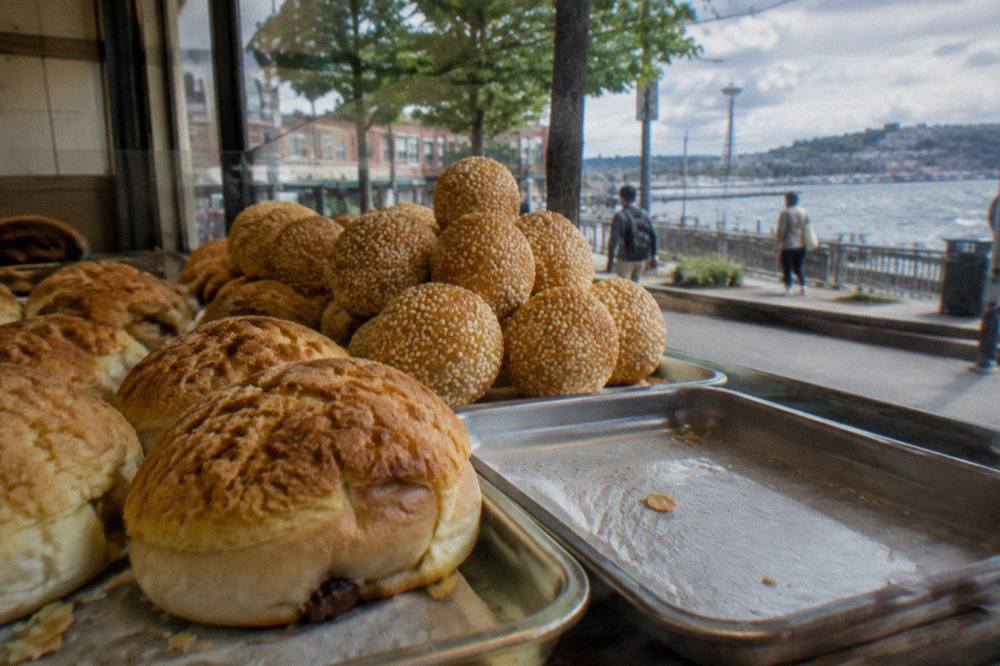
The morning slot belongs to the Market. Pike Place opens its produce and seafood rows at 7 a.m., with most of the Market active from about 10 a.m. to 5 p.m., and the crafts tables from 11 a.m. to 4 p.m. The Market's own FAQ notes mornings before noon are generally less crowded, so going early pays off. Between the coffee stands and the bakery counters you will not need breakfast elsewhere, and the site's Pike Place Market food guide covers the stalls in depth.
Lunch is where teriyaki earns its slot, because it is the fastest full meal in the city and every hunting neighborhood sits on a direct transit line. From the Market, the International District is a short walk south, or the bus is a $3.00 adult tap. Capitol Hill is one Link or bus stop up the hill. Either way you are eating within twenty minutes of deciding to, which is the entire point of the format.
The afternoon tilts toward seafood. The guided option here is the long-lunch seafood tour: two hours 15 minutes from $119 per person, rated 4.7 across 40 reviews, running eight seafood tastings across six market and downtown restaurants. It is the only seafood-themed walk of its kind among the options here.
Seasonally, the seafood layer has a calendar worth knowing even on a teriyaki-focused day. Copper River sockeye and king salmon arrived in Seattle around late May in 2026, with the district fishery opening May 22 and first restaurant plates appearing around June 1, and the runs wind down by early fall. Cold-water months, roughly September to April, are the traditional peak for oysters. None of that changes the teriyaki order, but it changes what the fish counters around your lunch stop will look like.
For the evening, happy hour is the Seattle institution that pairs with a cheap lunch, and the happy hour eats guide maps where small plates cost less after five. If the evening runs toward restaurants rather than bar snacks, the downtown walk with drinks, 2 hours 30 minutes from $135 per person and rated 4.7 across 89 reviews, covers cocktails and appetizers at the Rabbit Box, MARKET Seafood Eatery and Zig Zag Cafe in one guided sweep.
What Does A Teriyaki-Centered Seattle Food Day Cost?
Count on a tour ticket between $58 and $160 per person depending on format, a teriyaki lunch priced by each shop, and about $6.00 in transit if you use a day pass across the city's buses and rail, plus 10.55 percent sales tax added at restaurant registers. The tour figures below are firm from-prices; shop menu prices vary.
The guided layer of the day is the part with firm numbers, and the spread is wide enough to fit most budgets:
| Guided Walk | Duration | From Price | Rating |
|---|---|---|---|
| Meet the Market, Food and Fun tour | 2 hours | $58 | 4.7 across 457 reviews |
| Seattle's Sweetest Food Tour (donuts) | 2 hours | $65 | 4.9 across 1,018 reviews |
| Chef Guided Food Tour of Pike Place Market | 2 hours | $75 | 4.9 across 4,806 reviews |
| Street Food Tour of South Lake Union | 2 hours | $80 | 5.0 across 65 reviews |
| Pike Place By-the-Course Tour | 2 hours 15 minutes | $119 | 4.5 across 51 reviews |
| Downtown Restaurant Tour with Drinks | 2 hours 30 minutes | $135 | 4.7 across 89 reviews |
| Pike Place Market Insider's Breakfast Tour | 2 hours 30 minutes | $160 | 5.0 across 90 reviews |
Every price above is per person and drawn from each tour's booking page, where inclusions and meeting points are also listed. Notice what varies with price: the $58 Market tour is tastings at stalls, the $135 downtown walk includes cocktails and appetizers at full restaurants, and the $160 breakfast edition bundles gratuity and caps the group at twelve. None of these tours serves teriyaki, so the plate itself is your own purchase, priced by each shop.
Transit math is simple and fixed. King County Metro rides are $3.00 for adults, the regional day pass is $6.00, Link light rail is $3.00 one-way with youth 18 and under free, and the Monorail between Westlake Center and Seattle Center runs about $4 each way for adults. A Market-to-International-District-to-Capitol-Hill loop barely justifies the day pass unless you add a Ballard or West Seattle leg, in which case it pays for itself by early afternoon. If a waterfront leg calls, the ferry to Bainbridge is $11.35 for a walk-on adult, collected heading out with the return free, which is one of the better-value views in the region.
Weather belongs in the budget conversation too, because it shapes the walking plan more than the money. July and August average highs of about 77 to 78 F with under an inch of rain, per NOAA 1991 to 2020 normals at Sea-Tac, while November is the wettest month at 6.31 inches, with December and January close behind. A rainy-day teriyaki plan simply leans harder on the covered Market arcades and the International District's interior grocery halls, both of which shelter a full afternoon of eating.
One planning wrinkle specific to late 2026 and early 2027: Pike Place's street access pilot Phase 3 runs October 1, 2026 through March 31, 2027, with the cobblestone street shared by cars and pedestrians Monday to Thursday, and access limited to deliveries and permitted uses Friday to Sunday between 11 a.m. and 4 p.m. Tour meeting points on Pike Place itself still work, and the Market's parking garage remains available, but allow a few extra minutes if your walk starts midday on a weekend.
Which Seattle Food Tour Fits A Teriyaki Lover Best?
For most teriyaki-first visitors the chef-guided Pike Place Market tour fits best, because its 2-hour, $75 format ends downtown at the edge of the International District's shop corridor, while drinkers should take the $135 downtown restaurant walk and salmon fans the $119 seafood long lunch, which covers eight seafood tastings from six restaurants.
Think of it as matching the tour to the second half of your day. The chef-guided Market walk, again, is 4.9 across 4,806 reviews over two hours from $75, nine vendor stops, standing format, no pickup. It is the volume pick: the most reviewed walk listed here by a wide margin. From its corner of 1st and Pine, the International District is a short walk south, which is the whole reason it tops this list.
The seafood long lunch covers eight seafood tastings across six restaurants, two hours 15 minutes from $119, rated 4.7 across 40 reviews. It is the only seafood-themed option among the walks, and its market-plus-downtown route ends within the same walkable core. Teriyaki is not among its tastings. The downtown restaurant tour with drinks, 2 hours 30 minutes from $135 and 4.7 across 89 reviews, is the evening pick, a sit-down progression of cocktails and appetizers that closes a day that started with a styrofoam box.
Duration and group size deserve the final word, because they shape the day more than price alone. The Market's permit system caps guided groups inside at 16 people per guide, so Market walks stay small by rule rather than by promise. The breakfast edition caps at twelve and bundles gratuity. Pick the pace that matches how you want to feel at hour four, not just hour one.
Guided Food Walks Near Seattle Teriyaki Shops
| Tour | Price | Duration | Rating |
|---|---|---|---|
| Chef-Guided Market Tasting | from $75 per person | 2 hours | 4.9 across 4,806 reviews |
| Downtown Happy Hour, Drinks In | from $135 per person | 2 hours 30 minutes | 4.7 across 89 reviews |
| South Lake Union Street Food | from $80 per person | 2 hours | 5.0 across 65 reviews |
Booking is simple across all of them: the booking page lists current availability and inclusions, and most options carry free cancellation, which makes locking a morning slot early a low-risk move. The what a food walk costs guide unpacks the value math per format if you are choosing between two.
Common Questions About Seattle Teriyaki
Is Teriyaki Actually From Seattle?
The quick-service chicken-and-rice format is widely credited to Japanese immigrant shop owners in the city in the 1970s, a story repeated across decades of local food writing. Toshi's Teriyaki, which opened in 1976, calls itself Seattle's original teriyaki, but the wider origin story is widely told rather than documented.
What Is Seattle Teriyaki?
Grilled meat, usually chopped chicken thigh, in a thick sweet soy glaze, served over a large bed of steamed rice with a shredded salad on the side. It is a plate-lunch style built for takeout speed and volume, sweeter and heavier than the classical Japanese glaze technique.
How Do Locals Order Teriyaki In Seattle?
Short and fast: "chicken teri" is the baseline, "spicy chicken" the same plate with chili in the glaze, and "two-item" stacks two proteins over one rice bed. Extra sauce comes in a lidded cup, sauce on the side keeps the rice crisp on a walking day, and payment happens at the counter.
Is There A Teriyaki Tour In Seattle?
None of the tours listed here is a dedicated teriyaki tour. The closest guided options are the chef-guided Pike Place Market walk, 2 hours from $75, the South Lake Union street food tour, 2 hours from $80, and the downtown restaurant walk with drinks, 2 hours 30 minutes from $135, each ending within reach of shop corridors.
Which Neighborhood Is Best For Teriyaki In Seattle?
No rankings appear here, but the neighborhoods to hunt are the International District and downtown core, then Capitol Hill, the University District and the Rainier Valley corridor, with Ballard and South Lake Union rounding out the list.
Do You Tip At Seattle Teriyaki Shops?
Tipping is not mandated and practice varies at counter-service spots, so do what feels right. Note that Seattle adds 10.55 percent sales tax at the register on restaurant meals, so the board price rises slightly at payment.