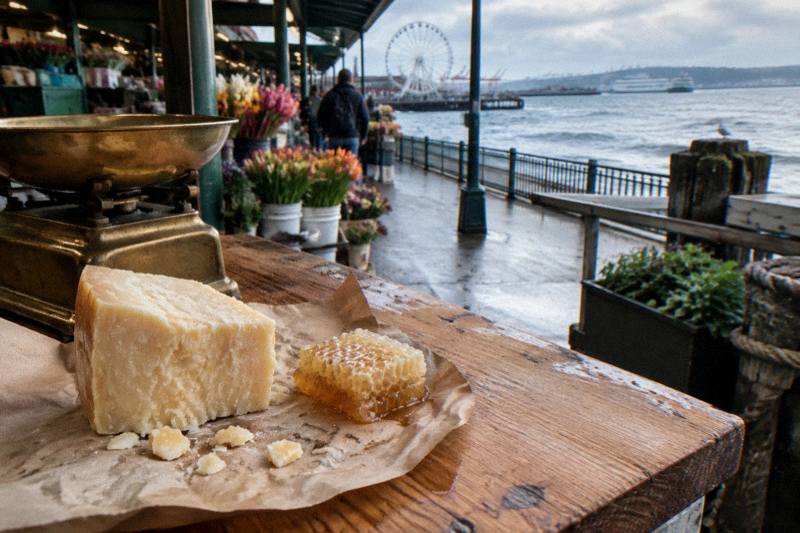
Dim Sum In Seattle: Where To Go And How To Order
Dim sum is one of Seattle's great weekend rituals, anchored by the Chinatown-International District and its decades-old Cantonese restaurants. Here is where to go, how the ordering works, and how to fold it into a bigger food day.
Short answer
Seattle dim sum centers on the Chinatown-International District, where Tai Tung has operated since 1935, Kau Kau BBQ since 1974, and Dim Sum King since 2009. Weekends are busiest, mornings before noon are calmer, and the Link light rail reaches the district for $3.00 each way. No guided food walk operates there, so plan it self-guided.
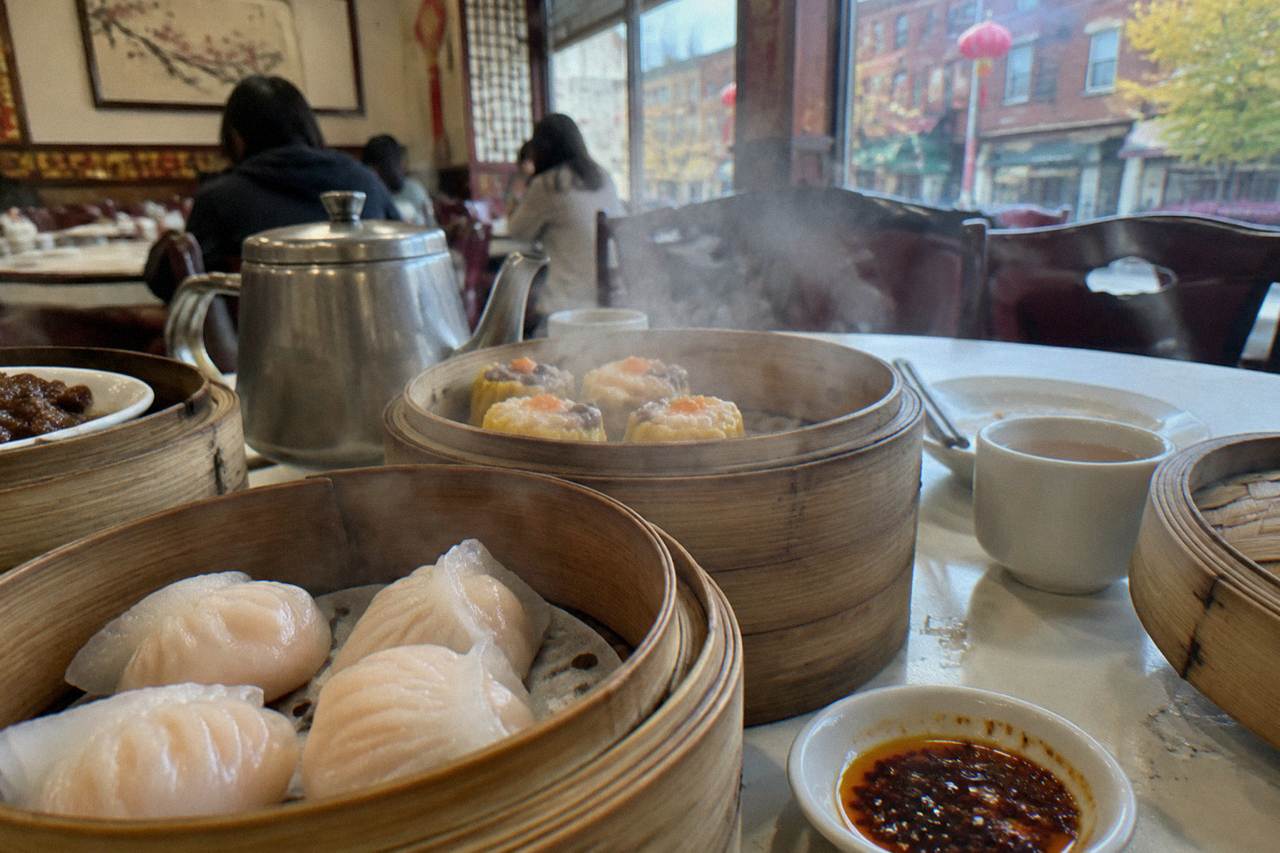
Dim sum, the Cantonese tradition of small steamed and fried dishes served alongside tea, has been part of Seattle's food culture for the better part of a century. The center of gravity is the Chinatown-International District, a compact neighborhood a few minutes south of downtown where the Seattle Chinatown Historic District was listed on the National Register of Historic Places in 1986. On any weekend morning the district's restaurants fill with families pushing teapots and bamboo steamers across lazy Susans, and the scene repeats in spots scattered around the wider city.
This page covers the practical side: where the dim sum is, how carts differ from order sheets, what to try first, when to arrive, and how to build a full Seattle food day around it. One thing to know up front: no guided food tour is sold inside the Chinatown-International District or Little Saigon, so the dim sum portion of your day is self-guided by design. The guided walks listed here run in Pike Place Market, downtown, and a few other neighborhoods, and they pair well before or after. For the noodle course of that same food day, the beginner's guide to pho and Vietnamese food in Seattle picks up right where the dim sum carts leave off.
What Is Dim Sum And Why Does Seattle Do It Well?
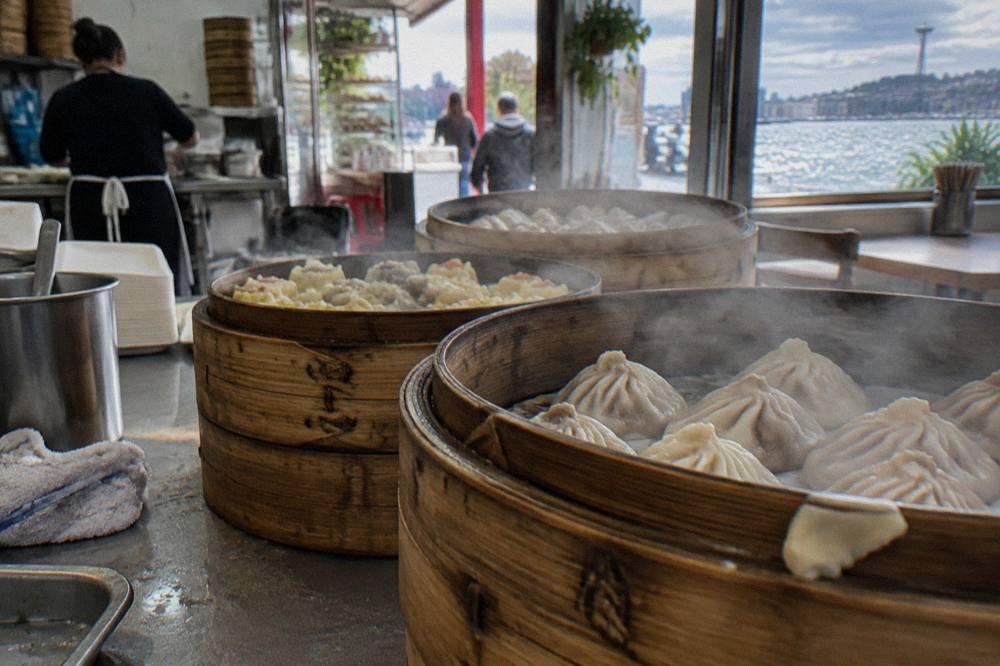
Dim sum is a Cantonese meal of many small dishes, mostly dumplings, buns and rolls, served with tea, traditionally from morning through early afternoon. Seattle does it well because the Chinatown-International District has carried continuous Cantonese restaurants since the 1930s, anchored by institutions like Tai Tung, established in 1935, feeding generations of the same families.
The word "dim sum" translates roughly to "touch the heart," and the format is closer to Spanish tapas than to a fixed menu: dishes arrive in small portions, you keep ordering until satisfied, and the tea never stops. The meal grew out of teahouses along trade routes in southern China, where travelers stopped for tea and, eventually, small snacks. Over time the snacks became elaborate, and the teahouse meal became a weekend social institution, often running to a dozen or more dishes shared across a table.
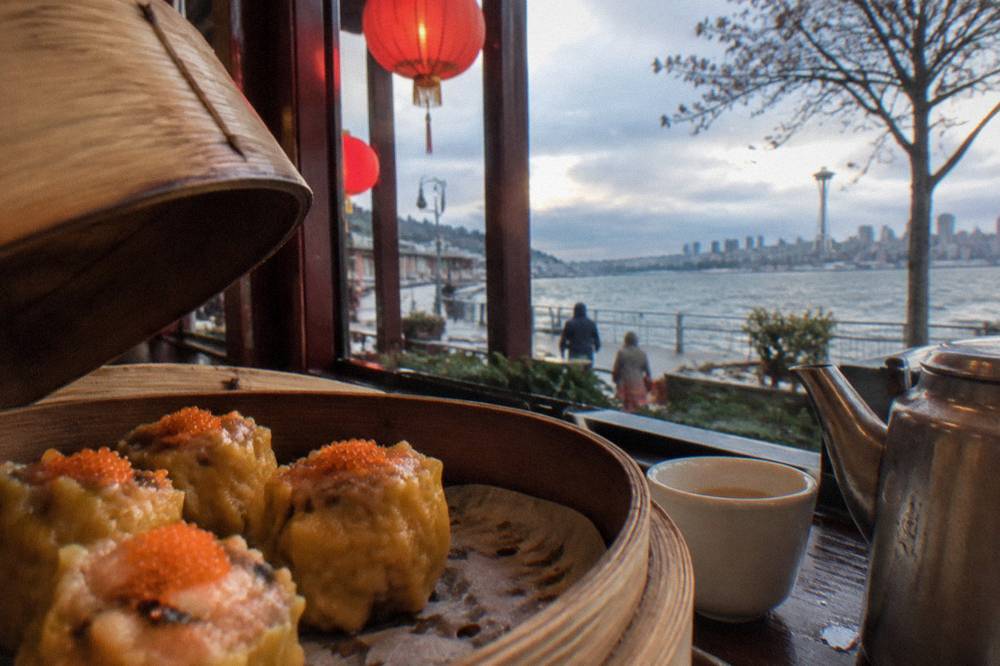
Seattle's version of that institution sits in the Chinatown-International District. The neighborhood took its current shape after the Jackson Street Regrade, completed around 1910, which raised and filled the land so buildings could go up. Chinese, Japanese, Vietnamese and Filipino communities all put down roots there, and the food traditions layered on top of each other. Tai Tung at 655 S King St says it was established in 1935 and is the district's oldest surviving Chinese restaurant. Kau Kau BBQ, next door at 656 S King St, has been doing Cantonese barbecue since 1974. Dim Sum King, a newer arrival at 617 S Jackson St in the Bush Hotel, opened in 2009 and focuses on a la carte Hong Kong-style dim sum.
That layering is why the district works for beginners. Within a few blocks you can move from a decades-old banquet-style dining room to a quick-service dim sum counter, and the density means a short walk can serve several appetites. Wing Luke Museum, opened in 1967 and housed in the 1910 East Kong Yick Building since 2008, sits in the middle of it all and tells the neighborhood's pan-Asian Pacific American history if you want context between meals. More background and a walking route are in the International District food walk guide.
Where To Eat Dim Sum In Seattle?
The Chinatown-International District holds the deepest bench: Tai Tung (since 1935), Kau Kau BBQ (since 1974) and Dim Sum King (opened 2009) all sit within a block of South King Street, near Hing Hay Park at 423 Maynard Ave S. Beyond the district, dim sum appears in neighborhoods across the city, but the historic core remains the easiest place for first-timers.
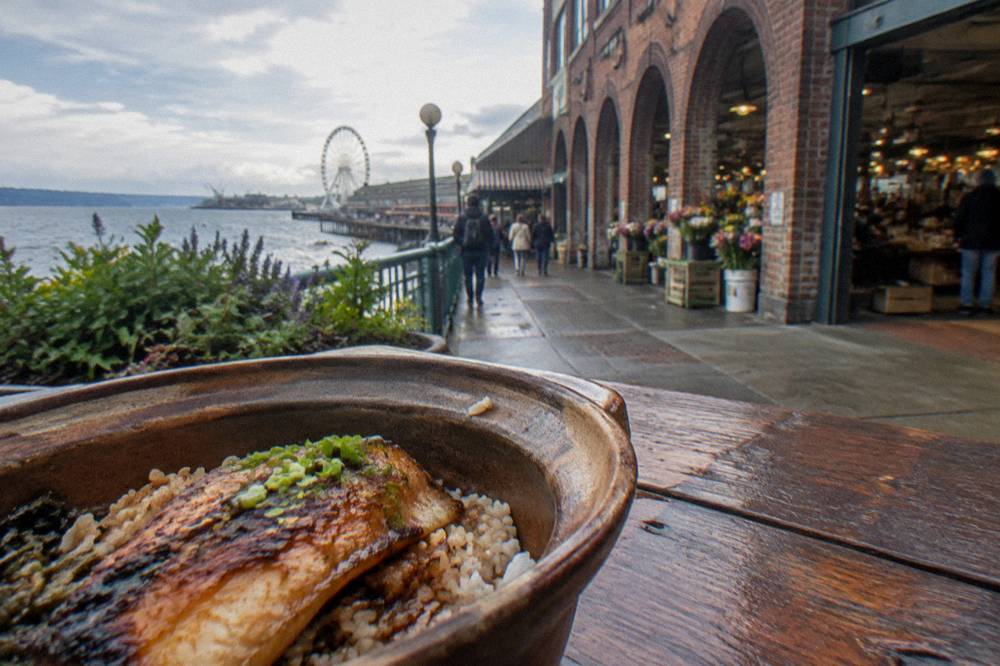
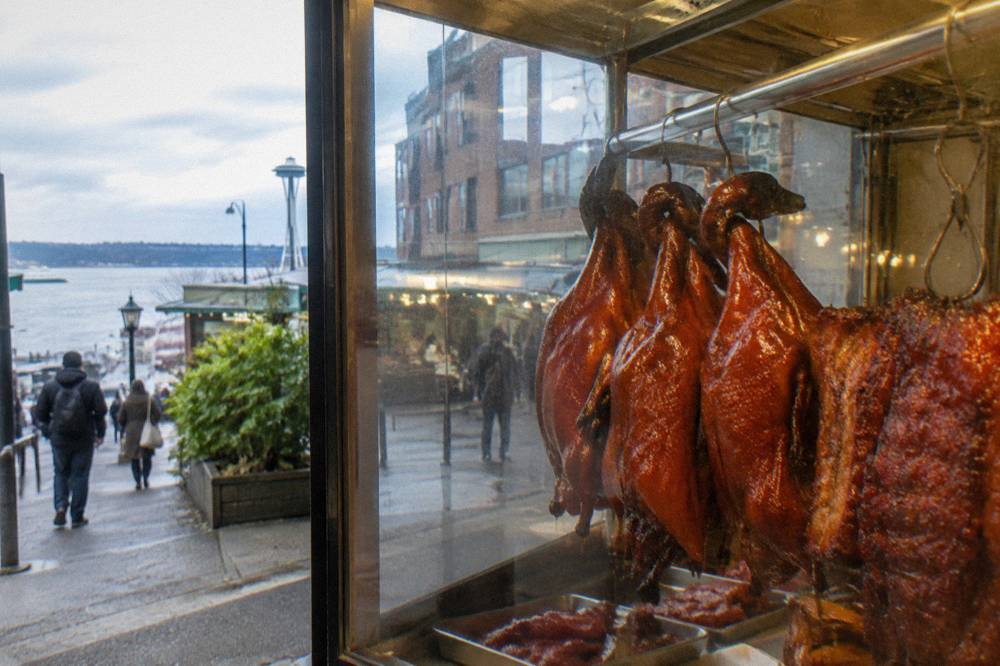
Start with the district's anchors, because they are close together and each shows a different face of the tradition. Tai Tung is the old-school dining room, family-run for decades, the kind of place where the menu reads like a time capsule and the regulars have their own table. Kau Kau BBQ is best known for its Cantonese barbecue window, the roast ducks and pork hanging in glass. Dim Sum King is the modern counter-style option, built for speed, where you point, order and eat without a long sit-down commitment. Uwajimaya, the giant Asian grocery that started in Tacoma in 1928 and opened its Seattle store after World War II, rounds out the block with a food court and shelves of tea, frozen dumplings and snacks for taking the habit home.
A practical loop is simple. King Street and South Jackson Street are the two main veins, and Hing Hay Park, whose name translates to "Celebrate Happiness Public Park," sits between them as a natural pause point. The park went through a renovation and expansion in 2017 and 2018 that roughly doubled its size and added a Grand Pavilion gifted from Taipei, so it works as a meeting spot or a place to let lunch settle. A half day covers it comfortably, and the Seattle farmers markets by day guide can extend the same trip if you are there on a Sunday.
For a sense of the wider city picture, the general what to eat in Seattle guide covers how dim sum fits alongside teriyaki, seafood and salmon as a local staple. Visit Seattle's own neighborhood pages are the official source if you want to confirm events or details before a trip.
The easiest way to frame the choice:
| Spot | In the district since | Style | Best for |
|---|---|---|---|
| Tai Tung | 1935 | Oldest surviving Chinese restaurant, banquet-style room | A long, classic sit-down lunch |
| Kau Kau BBQ | 1974 | Cantonese barbecue | Roast meat in one stop |
| Dim Sum King | 2009 | A la carte Hong Kong-style dim sum, counter speed | Fast, cheap, first-timers |
| Uwajimaya food court | Seattle store post-WWII | Pan-Asian grocery with hot food counters | Grazing and taking snacks home |
Carts Or Order Sheets: How Does Ordering Work At Seattle Dim Sum?
Most traditional dim sum rooms run one of two systems: rolling carts that bring dishes to your table for instant choosing, or order sheets you mark with a pencil and hand in, cooked to order. Carts reward timing and assertiveness, order sheets reward precision, and Seattle has both, often in the same restaurant on different days.
Under the cart system, a procession of carts circles the dining room carrying steamers and plates. You flag one down, lift lids, point at what you want, and a server stamps or marks a card at your table that tallies the bill by dish size. The advantages are immediacy and spectacle: you see the food before committing, and the room has a moving, chatty energy. The disadvantages are the same coin. The best dishes can go fast on a busy morning, and if you sit in a far corner the carts may thin out by the time they reach you. Nothing here is guaranteed, cart routes and counts vary by day and by staffing, but the pattern is consistent enough to plan around.
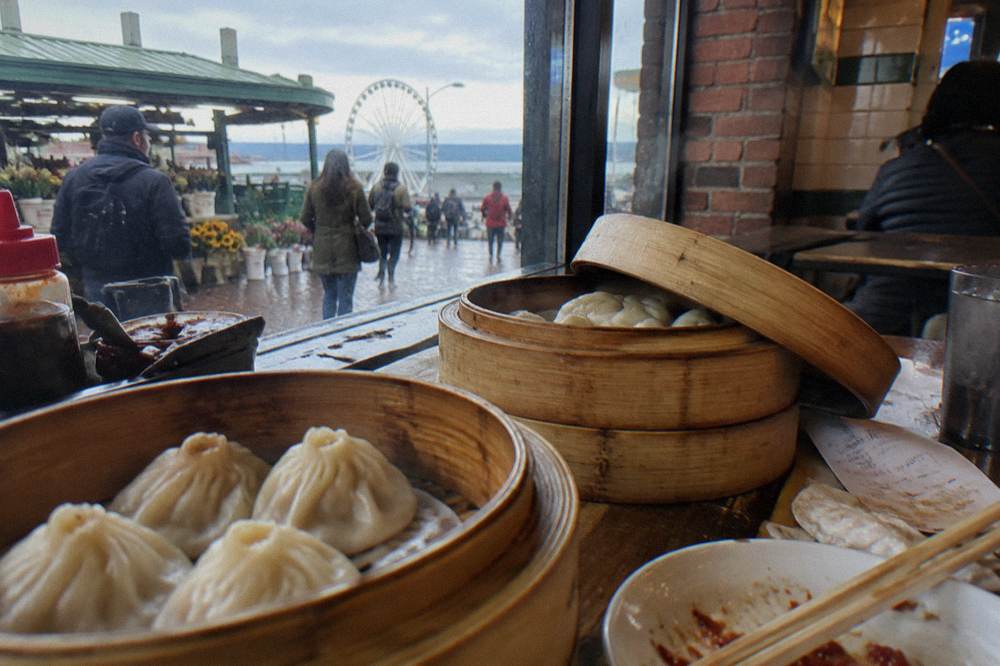
Order sheets, sometimes called checklist menus, flip the process. You receive a card listing every dish, mark quantities with a pencil, hand it to a server, and the kitchen fires your order in waves. This is the dominant system for a la carte Hong Kong-style dim sum, and it is how counter-focused spots like Dim Sum King handle volume. You get exactly what you marked, usually fresher from the steamer, and there is no waiting on a cart to bring your favorite. The trade-off is that you order partly blind, so a first visit with a picture menu or a helpful server matters more.
| Feature | Cart service | Order sheet |
|---|---|---|
| How food arrives | Rolled to your table, choose on sight | Written order, cooked to order |
| Speed | Instant, if the cart has it | A short wait per wave |
| Best dishes | Depends on cart timing | Guaranteed once marked |
| Skill needed | Flagging and lid-lifting | Knowing names in advance |
| Typical setting | Large weekend dining rooms | Counter and a la carte spots |
A few customs smooth either system. Tea is the backbone of the meal: pouring for others before yourself is standard courtesy, and an upended lid or a lid resting askew on the pot has traditionally signaled to staff that you need a refill. Sharing is assumed, so dishes go in the middle and rotate. Servers may speak limited English in older rooms, but pointing at a neighbor's table works universally. Tipping in Seattle is not mandated and practice varies, so do what feels right rather than what a guide insists.
What Should You Order First At A Dim Sum Restaurant?
A safe first order covers five archetypes: a steamed shrimp dumpling, a pork dumpling, a baked or steamed bun, a fried item, and a rice or noodle dish for ballast. That spread shows the range of the kitchen, feeds two people well, and costs far less than most sit-down restaurant meals in Seattle, where 10.55 percent sales tax is added at the register.
The canonical starting five, with what to expect:
| Dish | Type | What it is |
|---|---|---|
| Har gow | Steamed dumpling | Thin, translucent wrapper around shrimp |
| Siu mai | Steamed dumpling | Open-topped pork and shrimp dumpling |
| Char siu bao | Bun | Fluffy steamed bun with barbecue pork filling |
| Spring rolls or taro dumplings | Fried | Crispy contrast to the steamers |
| Lo mai gai or rice noodle rolls | Rice | Sticky rice in lotus leaf, or rolled rice noodles with filling |
From there, expand by taste. Chicken feet and tripe reward adventurous eaters and are often the dishes the kitchen does best, since they take the most skill. Egg tarts make the standard finish, sweet and warm, and congee, the savory rice porridge, works as a quieter base for a table that includes cautious eaters. If you are eating with children, the steamed buns and rice noodle rolls are the reliable wins; the Seattle food walk with kids guide has more on pacing a food day with younger appetites.
Portion logic matters more than dish count. Dishes arrive in threes and fours by convention, so a table of two that orders eight dishes has over-ordered unless it plans leftovers. A reasonable first pass for two people is five or six dishes, then reassess. Tea is the drink, and refills are part of the service; sugary drinks fall under Seattle's sweetened beverage tax of 1.75 cents per ounce at distribution, though a milk-primary drink like a latte is generally excluded, a quirk that matters more at coffee shops than at dim sum tables.
One honest note on pricing: this page does not print dish prices, because they vary by restaurant and change without notice. Budget by dish count rather than by item, expect the register to add Seattle's 10.55 percent sales tax, and treat any figure you see online as worth re-confirming on the spot.
When Should You Go For Dim Sum In Seattle?
Weekend mornings are the traditional time for dim sum. Weekday lunches run quieter, and the market-style spots keep daytime hours that suit a flexible schedule. Check each restaurant's hours directly, they change.
The rhythm repeats almost everywhere the tradition is served. If you want the full experience with carts rolling, aim for a weekend and arrive toward the start of service. If you want quiet, go weekday.
Weather barely matters, which is a genuine Seattle advantage. November is the city's wettest month at 6.31 inches of rain per the NOAA 1991 to 2020 climate normals at Sea-Tac, with December at 5.72 and January at 5.78, but dim sum is an indoor sport and the district's blocks are compact. Summer weekends are drier, July and August average under an inch of rain, but they bring cruise-season crowds; the 2026 cruise season ran April 17 to October with a record 330 ship calls at the Port of Seattle, and downtown foot traffic rises with it.
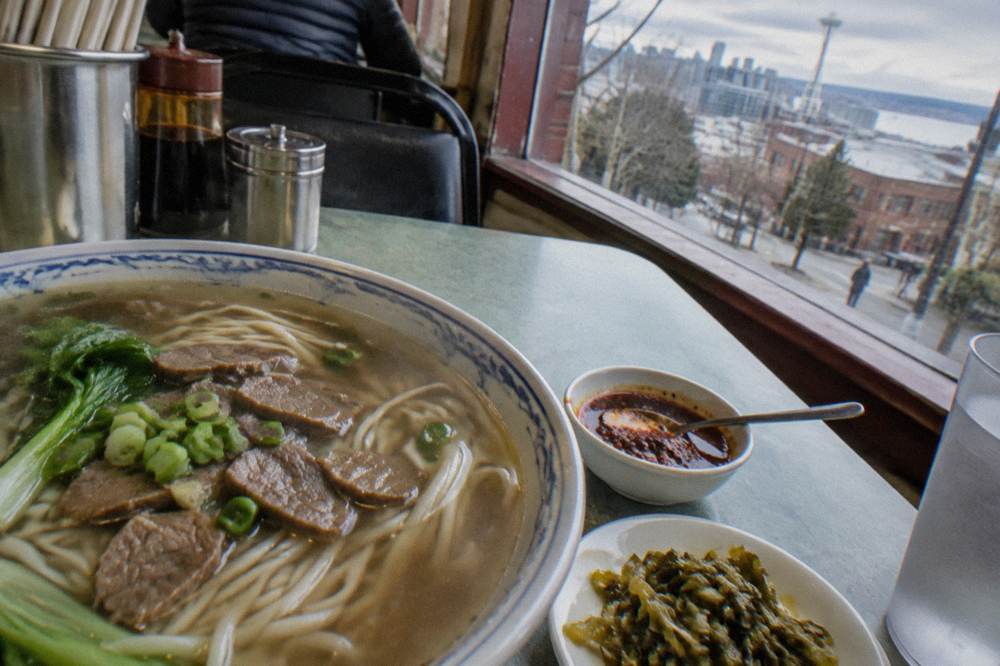
Timing also pairs with the city's wider food calendar. Seattle Restaurant Week ran October 18 to 31 in fall 2026 with prix-fixe menus at $20, $35, $50 and $65 tiers, with a Spring 2027 edition announced but not yet dated. Those deals sit mostly outside the dim sum rooms, but they shape how busy surrounding neighborhoods feel.
How Does The Chinatown-International District Fit Into A Seattle Food Day?
The district works best as one half of a two-part day: dim sum there in the morning, then a guided food walk or market browse in Pike Place Market or downtown in the afternoon. The Link light rail connects them in minutes for $3.00 each way, and no guided tour operates inside the district itself, so that first half stays self-guided.
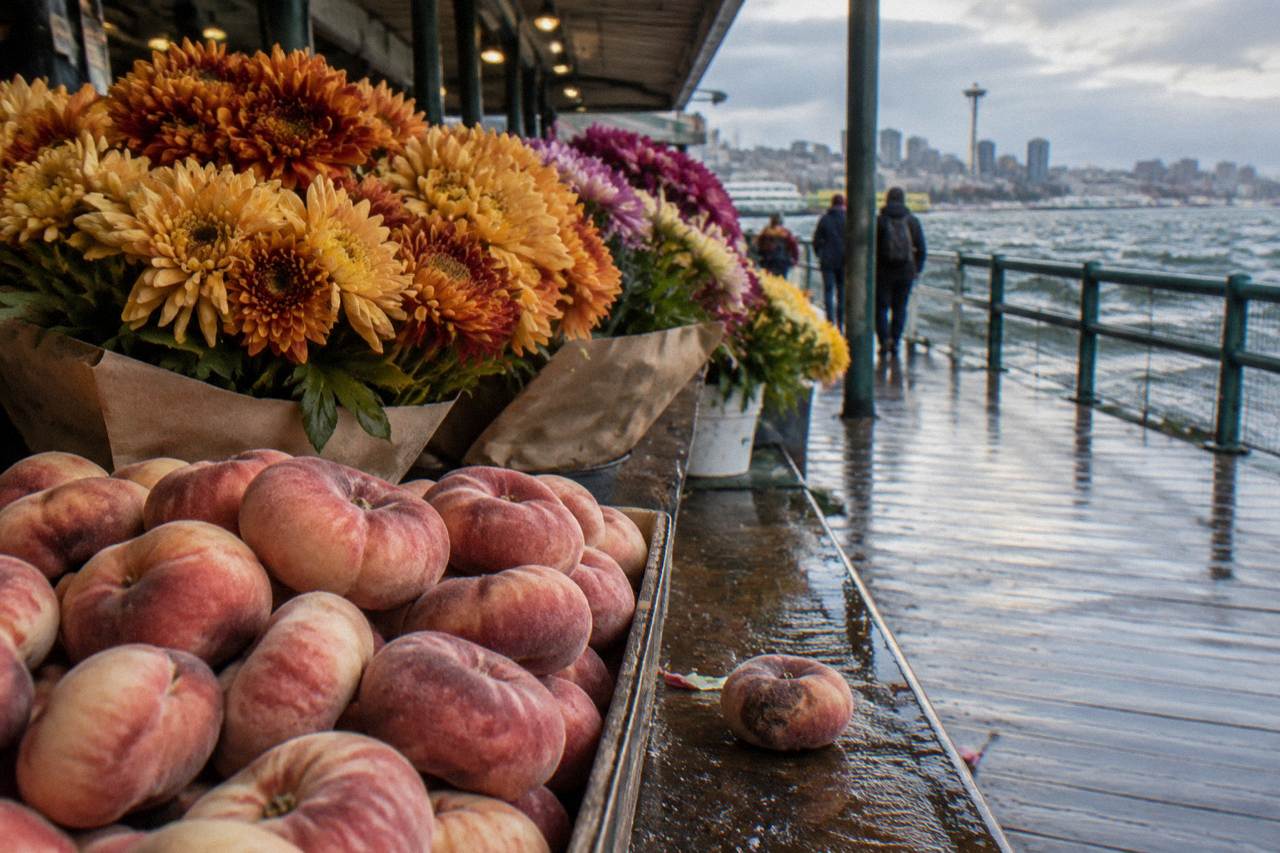
The geography makes the pairing easy. The Chinatown-International District sits directly south of downtown, one Link station from Pioneer Square and a short ride from the downtown core. A classic day: dim sum at a King Street institution in the late morning, a walk through Hing Hay Park and past the Wing Luke Museum, then transit north for an afternoon in Pike Place Market, which is open 363 days a year and generally active from about 10 a.m. to 5 p.m., with produce and seafood stalls starting at 7 a.m. The market is fullest from Thursday through Monday and calmer before noon, per its own visitor guidance, so an afternoon arrival lands you in the thick of it, which is part of the fun.
For the second half, the guided options concentrate in and around Pike Place Market. The Pike Place Market Original Food Tour runs 2 hours 15 minutes, is rated 5.0 across 670 reviews, and costs from $112 per person with tips included, covering a listing-described 14-plus tastings from 8 vendors. It starts at the market's north end on 1st Ave between Virginia and Lenora.
A cheaper, longer alternative is the Seattle Pike Market Food Tour with 8 Authentic & Local Tastings, which runs a full 3 hours, the longest Pike Place walk available, is rated 4.8 across 129 reviews, and costs from $60 per person. Its Pine Street start outside Sur La Table sits an easy walk or one transit stop from the Link line back toward the International District.
If the afternoon runs late and the budget has room, the downtown restaurant walk described below turns the evening half into cocktails and appetizers rather than market stalls. Either way, keep the dim sum half early: the district's kitchens are morning animals, and the market's are too.
Which Guided Food Walks Pair Well With Dim Sum?
The strongest pairing is the Downtown Seattle Restaurant Tour with Drinks and Food: 2 hours 30 minutes, rated 4.7 across 89 reviews, from $135 per person, starting at Pike Place Market's north end and moving through downtown restaurants and bars with cocktails and appetizers. It replaces nothing about dim sum, it extends the day.
That tour sits in a different register from the market walks. Where Pike Place tours move between vendor stalls, the downtown restaurant tour visits proper restaurants and bars, serving appetizers and drinks rather than standing tastings, per its tour listing. For a visitor who has done dim sum at 11 a.m. and wants the evening to feel like a night out, that is the fit. The booking page shows current departure times and cancellation terms.
Numbers To Know Before Ordering Dim Sum In Seattle
Dish counts for two people, plus taxes added at the register
- five archetypesArchetypes in a safe first orderSteamed dumpling, pork dumpling, bun, fried item, rice or noodles
- five or six dishesReasonable first pass for two peopleThen reassess
- eight dishesOver-order mark for a table of twoUnless it plans leftovers
- 10.55 percentSales tax added at the registerConfirm any online figure on the spot
- 1.75 cents per ounceSweetened beverage tax at distribution
The comparison across the main options:
| Tour | Duration | Rating | From (per person) | Setting |
|---|---|---|---|---|
| Pike Market Food Tour, 8 Tastings | 3 hours | 4.8, 129 reviews | $60 | Pike Place stalls |
| Pike Place Market Original Food Tour | 2 hours 15 minutes | 5.0, 670 reviews | $112 | Pike Place vendors, tips included |
| Downtown Seattle Restaurant Tour | 2 hours 30 minutes | 4.7, 89 reviews | $135 | Downtown restaurants and bars |
| Seattle Seafood Tour: A Long Lunch | 2 hours 15 minutes | 4.7, 40 reviews | $119 | Market and downtown seafood spots |
The seafood option deserves a mention because it is the only seafood-themed walk on offer: the Seattle Seafood Tour, a long lunch of market-fresh tastings, rated 4.7 across 40 reviews, from $119 per person, covering 8 seafood tastings across 6 restaurants per its listing. After a dim sum morning it makes for a very fish-forward day, which some visitors will love and others should space across two days. The Seattle seafood walk guide goes deeper on the city's oyster, salmon and chowder side if that is the direction.
For a lighter-budget afternoon, the Meet the Market Food and Fun Tour runs 2 hours, is rated 4.7 across 457 reviews, and costs from $58 per person, starting outside The Crumpet Shop on 1st Ave. It skews toward crumpets, biscuits and market staples, a gentle landing after a heavy dim sum table.
How Do You Get There And What Does A Day Look Like?
The Link light rail serves the Chinatown-International District station for $3.00 per adult one-way, with riders 18 and under free, and King County Metro buses cost $3.00 per adult ride with a $6.00 regional day pass. From the district to Pike Place Market is a short ride or a 15 to 20 minute walk through Pioneer Square.
Sound Transit's trip planner and fare pages cover current Link schedules and service alerts, and the system connects the International District station north to Pioneer Square, downtown and Capitol Hill, and east across Lake Washington on the Crosslake 2 Line that opened March 28, 2026 per news coverage. Contactless bank cards and ORCA cards both tap on. Buses run on the same fare structure through King County Metro, and the $6.00 adult regional day pass pays off on a day with three or more rides.
A sample day assembled from the pieces above:
| Time | Activity | Cost basis |
|---|---|---|
| 10:30 a.m. | Dim sum at a King Street institution | Pay per dish, sales tax 10.55 percent at register |
| 12:00 p.m. | Walk past Hing Hay Park and Wing Luke Museum | Free |
| 1:00 p.m. | Link to downtown, walk to Pike Place Market | $3.00 adult one-way |
| 2:00 p.m. | Guided market or restaurant walk | From $58 to $160 per person depending on tour |
| Evening | Waterfront stroll or dinner | Waterfront Park open daily 7 a.m. to 10 p.m. |
Two cautions to close the planning. First, restaurant hours are not printed on this page because they change; confirm opening times for any specific dim sum room before setting an itinerary around it. Second, the Market's Street Access Project is in Phase 3 from October 1, 2026 to March 31, 2027, with Pike Place shared by cars and pedestrians Monday to Thursday and access limited at 1st Ave and Pike St from 11 a.m. to 4 p.m. Friday to Sunday, so transit or the Market's parking garage beats street parking in that window. More meeting-point detail is in the meeting points and what to bring guide.
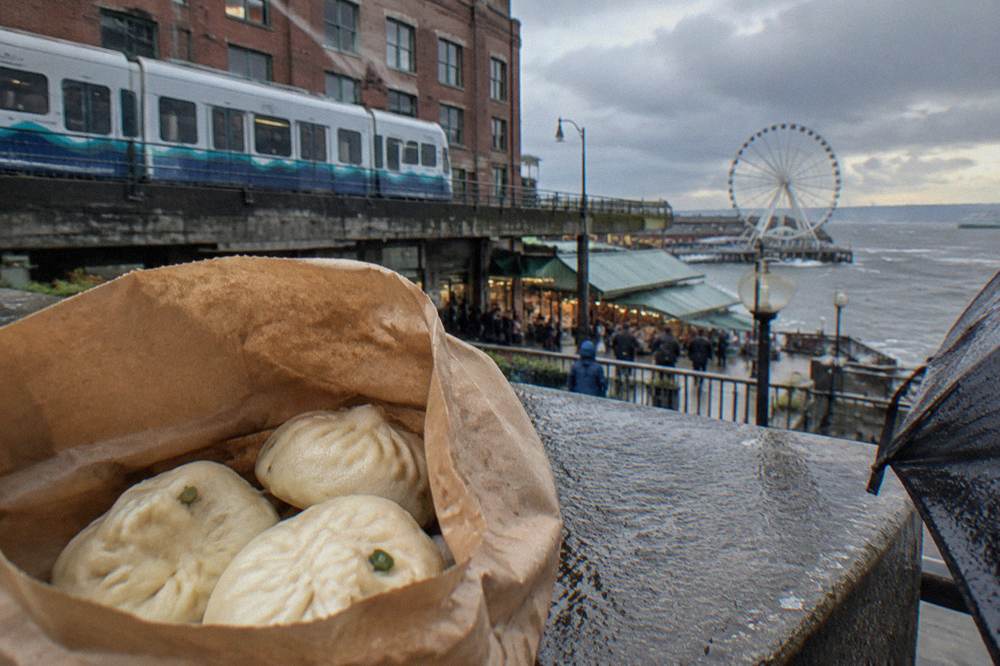
The whole shape of the day holds together because Seattle's food neighborhoods sit close: dim sum in the morning, a market or restaurant walk in the afternoon, all on a $6.00 day pass if you ride enough.
Common Questions About Dim Sum In Seattle
What Is Dim Sum?
A Cantonese meal of many small dishes, mostly steamed dumplings, buns and rolls, served with tea, traditionally from morning through early afternoon. Dishes arrive in small portions for sharing, and you keep ordering until the table is satisfied.
Where Is The Best Dim Sum In Seattle?
The Chinatown-International District has the deepest selection: Tai Tung, established 1935, Kau Kau BBQ since 1974, and Dim Sum King, opened 2009, all sit within a block of South King Street. Best is a matter of taste, but the district is the clear center of gravity.
Carts Or Order Sheets: Which Is Better?
Carts let you see and choose food instantly, which is fun but depends on timing. Order sheets guarantee exactly what you marked, cooked fresh, but require knowing names in advance. Seattle has both systems, sometimes in the same restaurant on different days.
When Should I Go For Dim Sum In Seattle?
Weekend mornings are the traditional peak time, and weekday lunches are quieter. Confirm each restaurant's hours before you go.
Is There A Guided Dim Sum Or Chinatown-International District Food Tour In Seattle?
No. No guided food tour is sold inside the Chinatown-International District or Little Saigon, so plan that portion self-guided. Bookable guided walks run in Pike Place Market, downtown and other neighborhoods, and pair well before or after a dim sum lunch.
How Much Does A Dim Sum Day In Seattle Cost?
Dim sum itself is priced per dish and varies by restaurant, with Seattle's 10.55 percent sales tax added at the register. Transit adds $3.00 per adult Link ride or a $6.00 regional day pass. A guided afternoon walk, if you add one, runs from $58 to $160 per person depending on the tour.