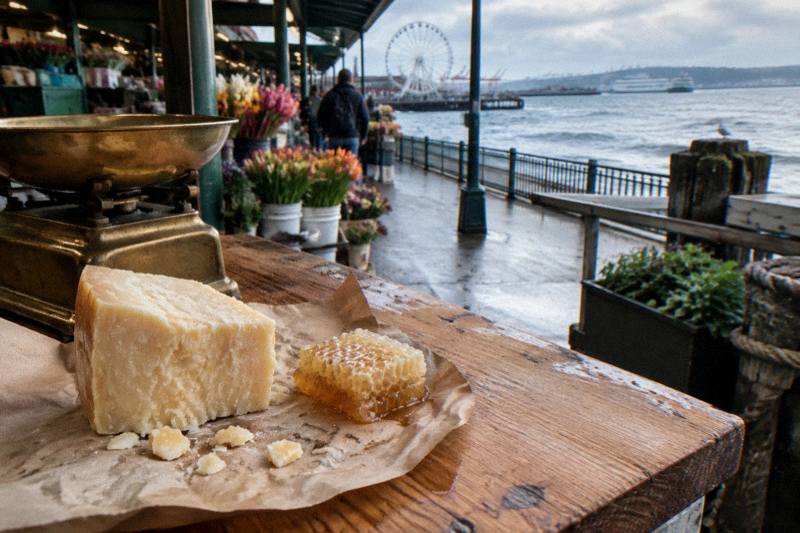
Uwajimaya And The International District Food Markets
Uwajimaya is the anchor grocery of Seattle's Chinatown-International District, with a food court, bakery and takeaway counters that make it a full meal stop as well as a shop. Here is how to plan the visit, what to eat, and which guided walks near the district are bookable.
Short answer
The Uwajimaya food court sits inside the Uwajimaya supermarket at 6th Ave S and S Weller St in Seattle's Chinatown-International District, a few blocks south of Pioneer Square and about a 25 to 30 minute walk or one Link ride from Pike Place Market. Expect hot counter meals, a bakery, and shelves of snacks and tea to take home.
The Uwajimaya food court is a supermarket food hall a few blocks south of Pioneer Square where hot noodle counters, a bakery and takeaway stalls share one roof with an Asian grocery floor. The district around it, historic and compact, packs dim sum halls, barbecue windows and specialty markets into a walkable grid that most visitors can cover in half a day. This page covers what the food court and the surrounding markets actually are, how to plan a visit, what to eat, what the neighborhood's history explains about its food, and which guided options exist, because the important booking fact up front is this: none of the guided food tours listed on this site runs inside the Chinatown-International District or Little Saigon. The bookable alternatives are downtown and Pike Place walks, described below exactly as their listings state them.
What Is The Uwajimaya Food Court And Where Is It?
The Uwajimaya food court is the hot-food and bakery section inside the Uwajimaya supermarket at the heart of Seattle's Chinatown-International District, roughly bounded by 6th Ave S, S Weller St and S King St, about a ten minute walk south of Pioneer Square and one Link light rail stop from Pioneer Square station to Chinatown-International District station. It combines quick-serve hot counters with an Asian grocery floor.
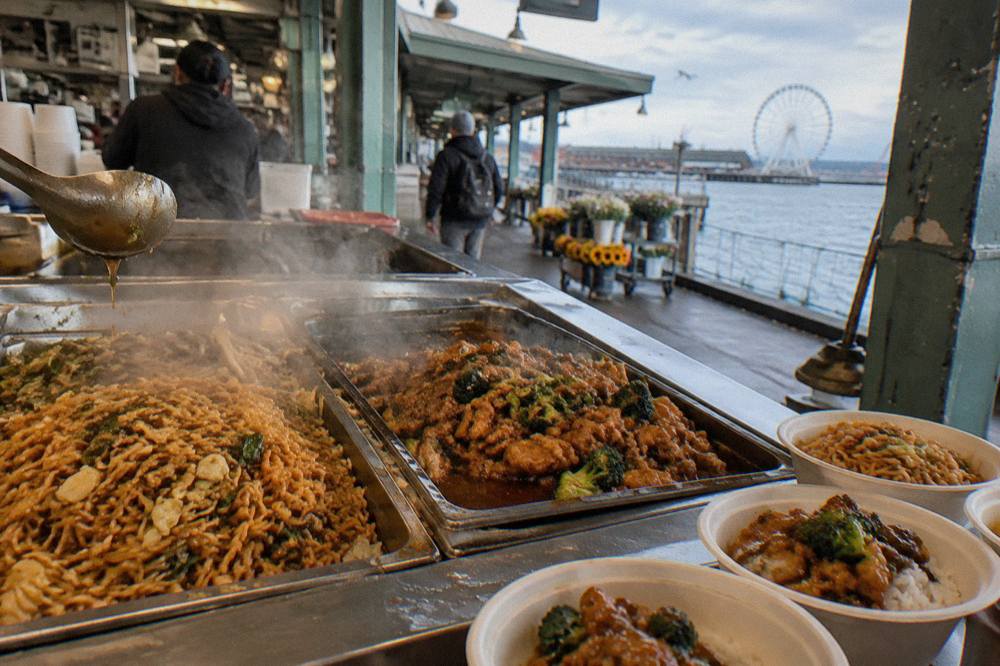
Uwajimaya started in 1928 in Tacoma. The family opened its Seattle store in the International District after World War II, and the supermarket has anchored the neighborhood's food scene ever since. Today the store functions as three stops in one: a grocery with produce, seafood and packaged goods from across East and Southeast Asia, a food court of hot counters where you order at a stall and eat at shared tables, and a bakery section for sweets and breads. Check the counters on arrival for current dish and bakery prices.
The location is the practical reason to build a visit around it. The store sits at the western edge of the district, close to King Street Station, the Link light rail station and the stadiums, which makes it an easy add-on to a Pioneer Square morning or a Pike Place day. The district itself is compact: Chinatown, Japantown and Little Saigon together cover a walkable grid, with Hing Hay Park at 423 Maynard Ave S as the natural meeting point at its center. Give the full article on the district's eating scene a read at International District dim sum and noodles for the restaurant-by-restaurant picture.
Getting there is simple on transit. Link light rail serves the Chinatown-International District station directly, with an adult one-way fare of $3.00, and riders 18 and under ride free; King County Metro buses cost $3.00 per adult single ride, with a regional day pass at $6.00. Full route and schedule details are on Sound Transit's site and King County Metro's fare page.
The main ways to reach the district compare like this:
| Method | Route | Adult cost | Notes |
|---|---|---|---|
| Link light rail | Chinatown-International District station, one stop from Pioneer Square | $3.00 one way | Youth 18 and under free |
| King County Metro bus | Multiple routes along Jackson and 4th Ave S | $3.00 single ride | Regional day pass $6.00 |
| On foot | From Pike Place Market via Pioneer Square | Free | About 25 to 30 minutes |
| Monorail plus walk | Westlake Center to Seattle Center, then Link | Monorail about $4 one way | Connects a Seattle Center visit to the district |
How Do You Plan A Visit To Uwajimaya And The District Markets?
Plan a half day: give the Uwajimaya food court and supermarket 60 to 90 minutes for a meal and a shopping pass, then two to three hours for the surrounding district, walking south from Pioneer Square or arriving by Link. Bring cash for small stalls and a bag for groceries.
The simplest route works from north to south. Start in Pioneer Square, walk three blocks south into the district, pass through Hing Hay Park, eat at the Uwajimaya food court, then browse the grocery floor before looping back through the specialty markets along S King St and S Jackson St. The whole loop is flat and short, well under a mile of actual walking. The neighborhood's food stops are close enough together that the plan matters less than the appetite.
This district rewards self-guiding. None of the guided food walks listed on this site runs in the Chinatown-International District or Little Saigon, so the planning is yours, and this page aims to make that planning straightforward.
A sensible pattern for combining the district with the rest of a Seattle food day: Uwajimaya and the International District in the morning, then Link or a 25 to 30 minute walk north to Pike Place Market for the afternoon, where guided options do exist. If a booked walk is part of your day, the downtown Seattle restaurant walk starts at the Pike Place Market north end and works through downtown restaurants and bars over two and a half hours, from $135 per person, rated 4.7 across 89 reviews. Its stops, appetizers and cocktails at places like The Rabbit Box, MARKET Seafood Eatery and Zig Zag Cafe, sit a short walk or one transit stop from the district's edge, so the pairing works in either order. For eaters who would rather build a meal around noodles than a booked walk, the guide to pho and Vietnamese food in Seattle explains which districts have the strongest bowls and how to order once you are seated.
A half-day schedule that works in practice:
| Time | Stop | What you do |
|---|---|---|
| 10:00 a.m. | Pioneer Square walk-in | Coffee and a pastry, then walk three blocks south |
| 10:30 a.m. | Hing Hay Park, 423 Maynard Ave S | Orientation, festival check, rest |
| 11:00 a.m. | Uwajimaya food court | Hot counter meal at a stall |
| 12:00 p.m. | Uwajimaya grocery floor and bakery | Shopping pass, bakery items |
| 1:00 p.m. | S King St and S Jackson St markets | Tai Tung, Kau Kau BBQ windows, specialty shops |
| 2:00 p.m. | Link north to Pike Place | Afternoon market arcades or a booked walk |
What Should You Eat In The Uwajimaya Food Court And Bakery?
Eat a hot counter meal first, noodles, rice plates or soup from the food court stalls, then add a bakery item from the Uwajimaya bakery section, and finish with a packaged snack run through the grocery aisles: tea, mochi, crackers, candy or instant noodles you cannot get at a standard supermarket. Counter dishes and prices vary by stall, so order at the counter.
The food court works on a stall model: each counter has its own menu and ordering point, and you carry your tray to shared seating. That structure makes it easy to split a visit across cuisines, one bowl from a noodle stall, something fried from another, a drink from the bakery counter, without a single restaurant bill. The selection reflects the district's mix of Japanese, Chinese, Korean and Southeast Asian traditions, which is the point: this is not one cuisine's food hall but the district's whole range under one roof.
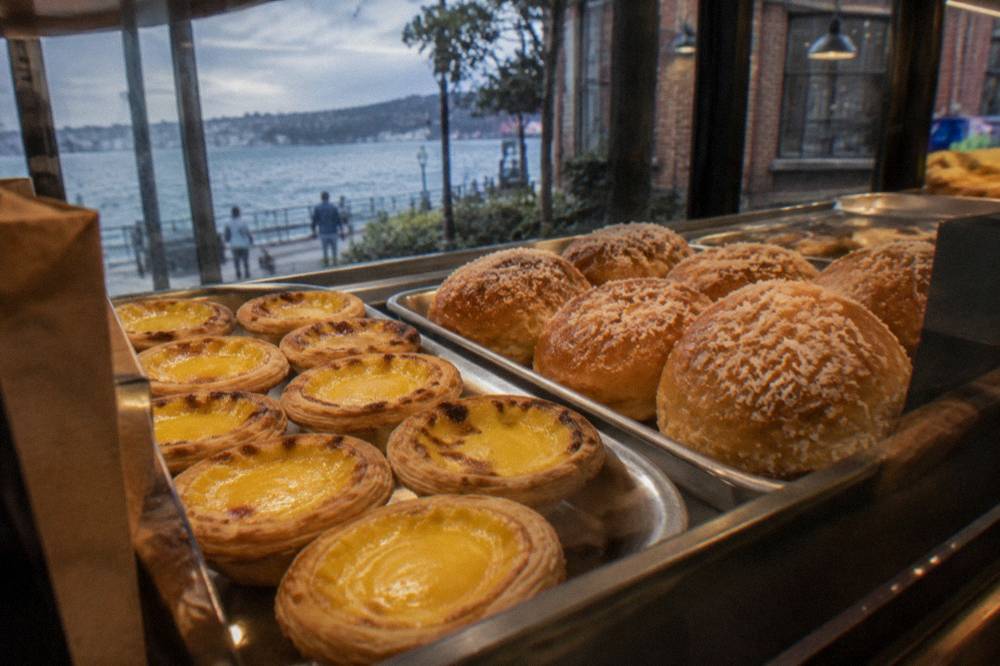
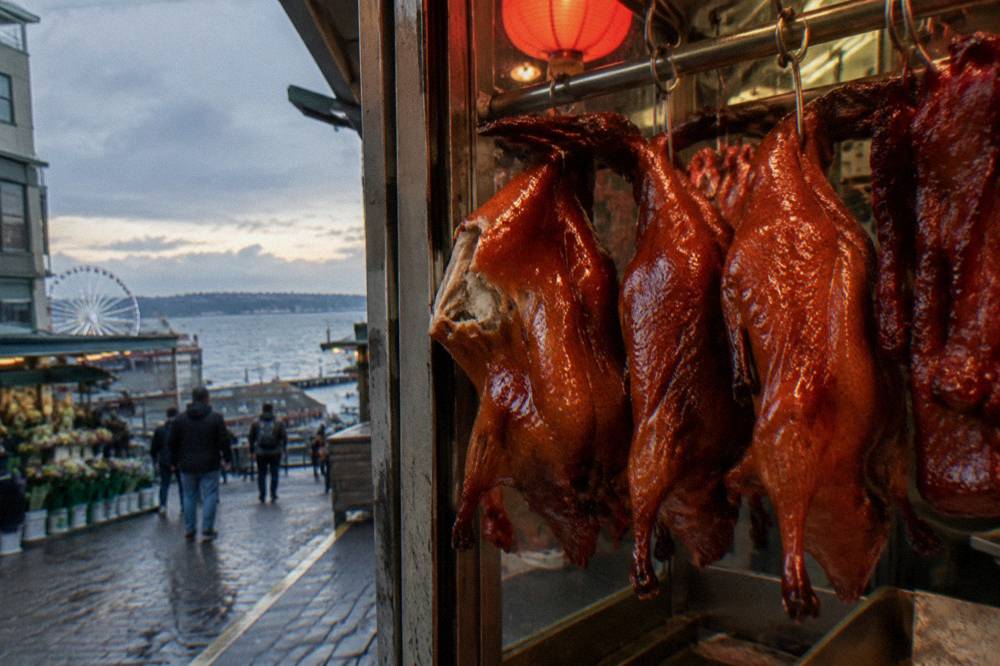
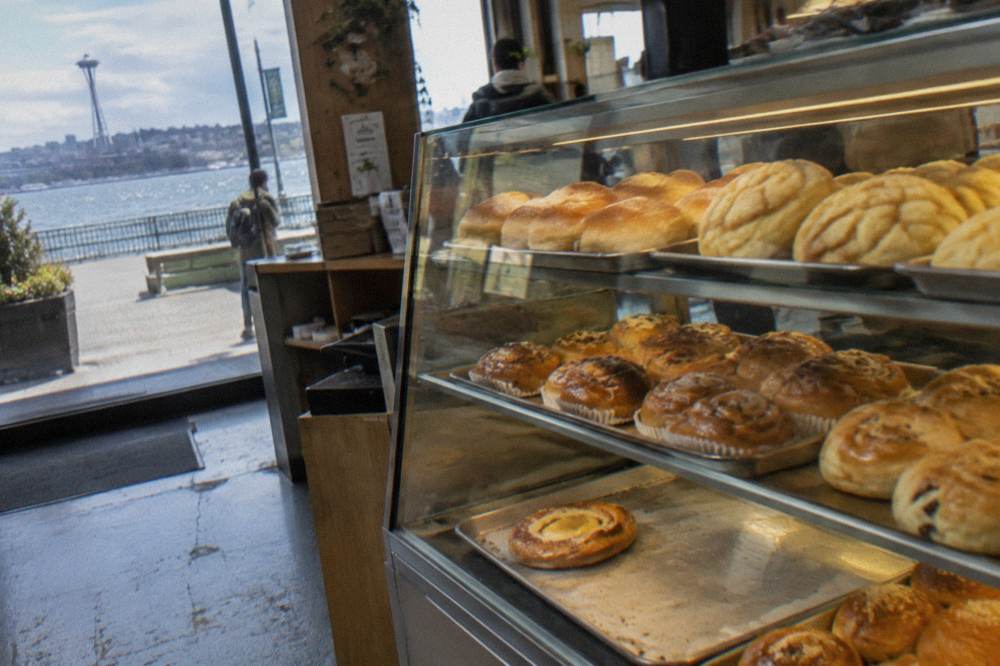
The bakery section deserves its own stop. Uwajimaya's bakery turns out the kind of Japanese-influenced breads and sweets, soft rolls, cream-filled pastries and seasonal items. Around the district beyond the store, the established names are documented and worth seeking out: Tai Tung at 655 S King St, established in 1935 and the district's oldest surviving Chinese restaurant; Kau Kau BBQ across the street at 656 S King St, which says "since 1974" on its own materials and is the neighborhood's Cantonese barbecue landmark; and Dim Sum King in the Bush Hotel at 617 S Jackson St, opened in 2009, serving a la carte Hong Kong-style dim sum.
For depth on the district's restaurants, two companion pages help: where to find dim sum in Seattle covers ordering etiquette and the main halls, and the Seattle neighborhood food overview places the International District in context against Capitol Hill, Ballard and the rest. The counters list their own prices on site.
Why Does The International District Have This Food Scene?
The district's food scene grew from the Jackson Street Regrade, completed around 1910, which made the tideflats buildable; Chinese, Japanese and Filipino communities settled the blocks around S King St and S Jackson St afterward. The Chinatown Historic District was listed on the National Register in 1986, and family restaurants opened from 1935 onward still trade there today.
A short history explains the geography. After the regrade, Chinese investors financed the Kong Yick buildings that still stand on King Street, and the area consolidated as a hub for Asian immigrant communities, with Japantown on the north side and, later, Little Saigon spreading east toward Rainier Avenue. The Wing Luke Museum, opened in 1967 and housed since 2008 in the 1910 East Kong Yick Building, preserves this pan-Asian Pacific American story and is the best single stop for visitors who want the history behind the meal. Uwajimaya's own arc, from Tacoma in 1928 to the district's anchor supermarket after the war, is part of the same story.
The food landmarks carry the timeline. Tai Tung's 1935 founding makes it older than most institutions in the city; Kau Kau BBQ's 1974 opening marks the district's later Cantonese wave; Dim Sum King's 2009 arrival shows the neighborhood still adding new kitchens. Hing Hay Park is where the community gathers for festivals, and it sits at the practical center of any walking route.
The Downtown Seattle Restaurant Tour with Drinks and Food is the nearest bookable guided experience to this history walk: two and a half hours, from $135 per person, rated 4.7 from 89 reviews, built around cocktails and appetizers at downtown restaurants and bars rather than market stalls. Its listing notes it starts at the Pike Place Market north end and moves through downtown, so it pairs naturally with a self-guided International District morning.
Where Do Locals Shop For Asian Groceries In Seattle?
Locals shop mainly at Uwajimaya, the district's anchor supermarket, supplemented by the smaller specialty markets along S King St and S Jackson St for specific items, barbecue, herbs, noodles and regional goods. Across Seattle, the International District remains the concentration point; other neighborhoods have individual shops but not the density.
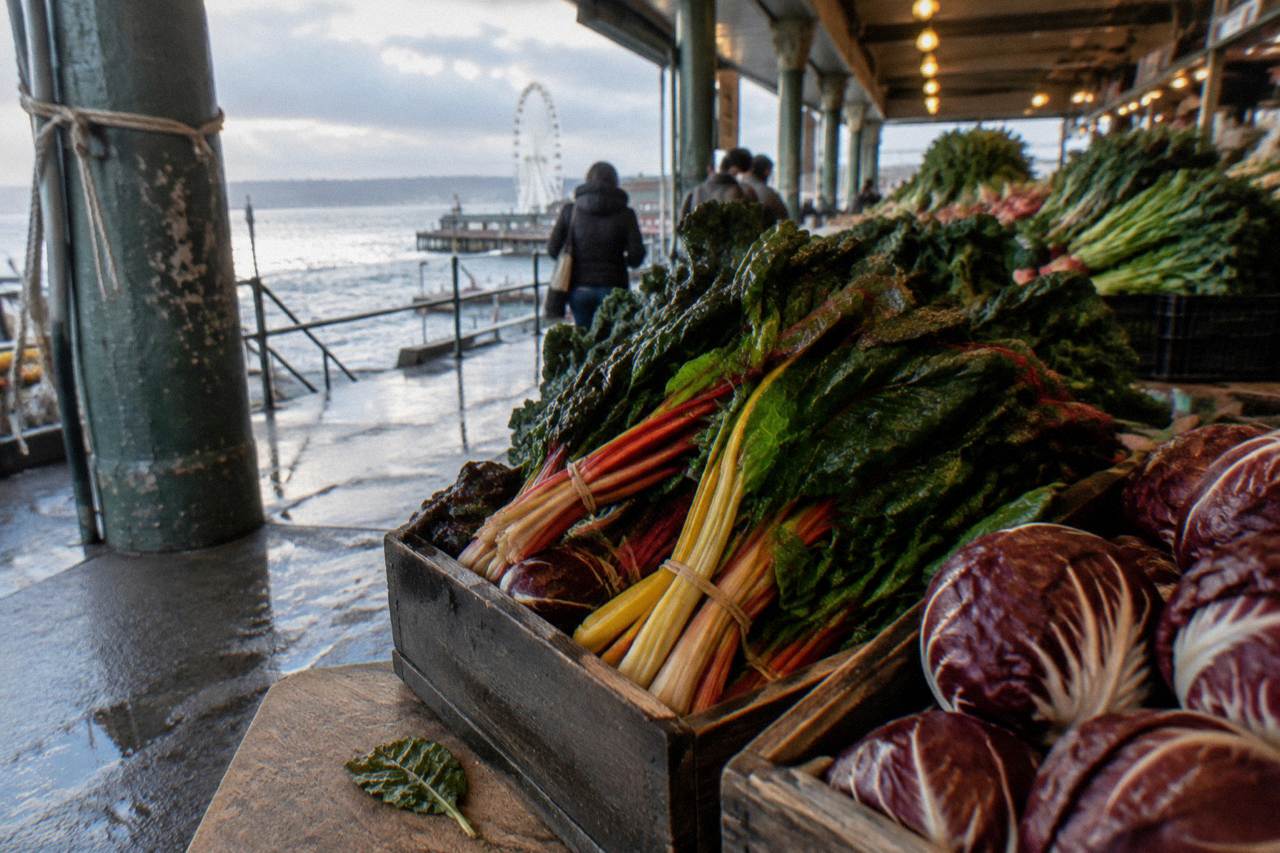
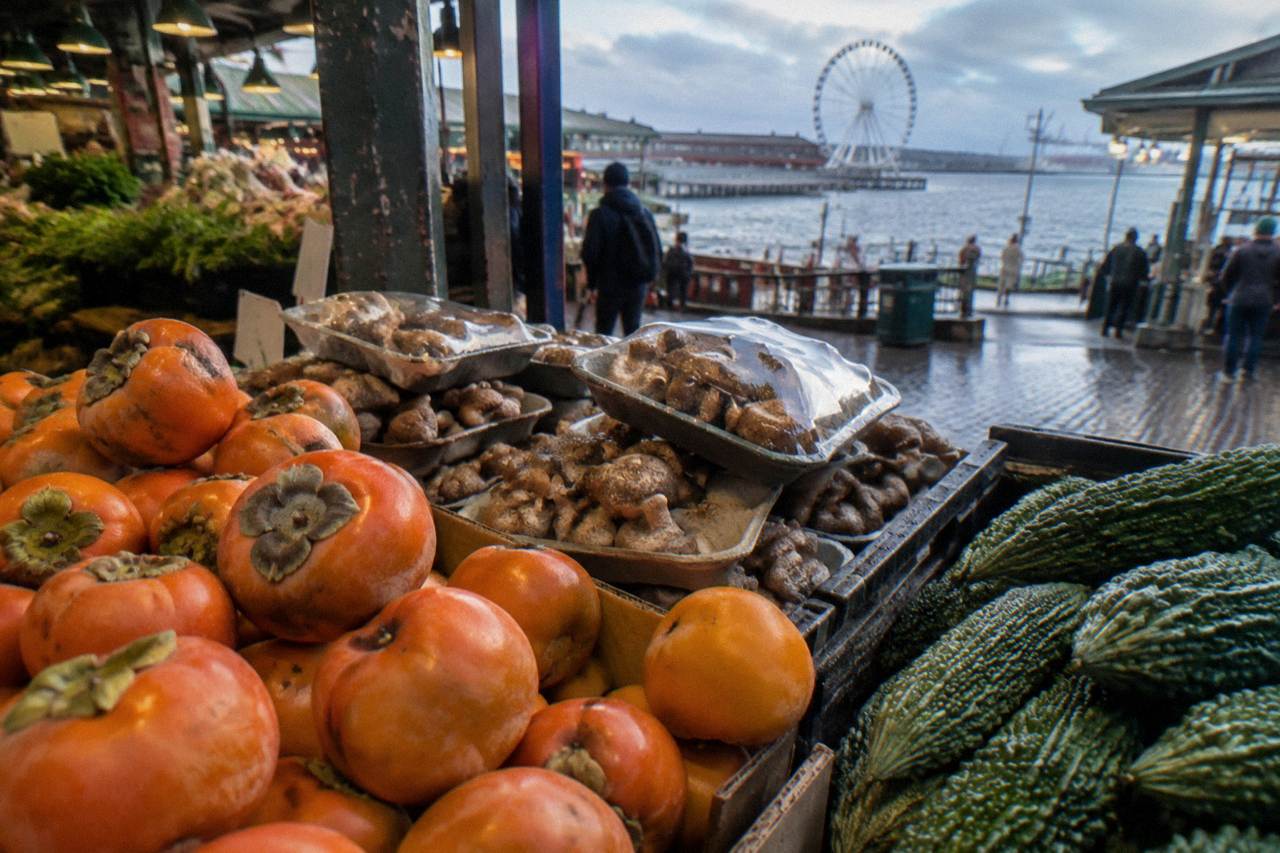
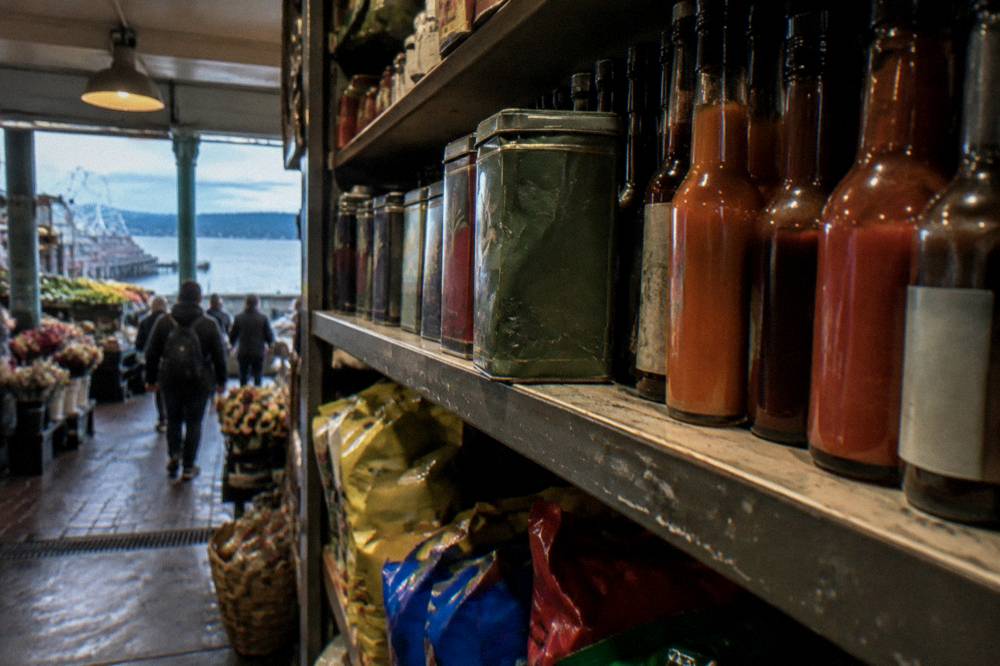
The shopping case for Uwajimaya is range. The grocery floor stocks fresh seafood, produce and packaged goods that serve Japanese, Chinese, Korean, Vietnamese and Filipino cooking in one place, which is why home cooks from across the metro area make the trip. The store is also where visitors stock up on gifts and snacks: packaged mochi, tea, rice crackers, candy, instant noodles and kitchenware fill aisles that a standard supermarket does not carry. Nothing in the store needs a guide; browsing is the activity.
Around the store, the specialty markets each have a focus, and part of the pleasure of the district is drifting between them. For practical orientation, the district divides into three loose zones: the Chinatown core around King Street and Maynard Avenue, Japantown to the north around 6th Ave S, and Little Saigon east toward Rainier Avenue along Jackson. Each zone has its own markets and bakeries within a few minutes' walk of the others.
| Zone | Rough bounds | Character | Known stops |
|---|---|---|---|
| Chinatown core | S King St and Maynard Ave S | Historic district, banquet halls, barbecue | Tai Tung (1935), Kau Kau BBQ (1974), Hing Hay Park |
| Japantown | North side around 6th Ave S | Japanese shops, close to Uwajimaya and the Wing Luke Museum | Uwajimaya, East Kong Yick Building |
| Little Saigon | East along S Jackson St toward Rainier Ave | Vietnamese markets, pho, banh mi shops | Dim Sum King area, S Jackson St markets |
One planning note on money: Seattle's sales tax is 10.55 percent, added at the register on prepared meals and most goods, so the shelf or menu number is never the final number. Tipping at food court counters is not mandated and practice varies; counter service generally does not expect it, while sit-down restaurants in the district follow standard Seattle restaurant customs.
Can You Book A Guided Food Walk In The International District?
None of the guided food walks listed on this site runs in the Chinatown-International District or Little Saigon. The guided food walks bookable on this site start in Pike Place Market, downtown, Capitol Hill, Ballard, South Lake Union and Seattle Center, and the closest to the district is the downtown restaurant tour, a two and a half hour walk from $135 per person.
A reader who wants a guide in the district itself will not find one among the tours listed here; the alternatives are to self-guide with pages like this one, or to book a guided walk elsewhere in the city and visit the district on your own time. Both work well, and the district's compactness makes the self-guided version genuinely easy.
The closest bookable product deserves the detail. The Downtown Seattle Restaurant Tour with Drinks and Food runs 2 hours 30 minutes, from $135 per person, rated 4.7 across 89 reviews, starting at the Pike Place Market north end and covering downtown restaurants and bars including The Rabbit Box, MARKET Seafood Eatery, Zig Zag Cafe and SELEUŠS Chocolates. Its listing describes appetizers and cocktails rather than a full meal, so treat it as a moving happy hour, not dinner. Because downtown sits directly north of the district, the tour pairs with an International District grocery and bakery run in the same afternoon.
If the Pike Place version fits better, the Chef Guided Food Tour of Pike Place Market is 2 hours, from $75 per person, rated 4.9 across a large pool of 4,806 reviews, with nine vendor stops including Pike Place Chowder, Beecher's Handmade Cheese and Indi Chocolate. It is a standing-tasting walk, not a sit-down meal, and pickup is not included; the market start is roughly a 25 to 30 minute walk or one short transit hop from the district.
How Much Time And Money Should You Budget For The District?
Budget three to four hours and a modest per-person spend for food court meals, bakery items and groceries; plan on ordering at counters. Transit in is $3.00 per adult by Link or Metro bus. If you add a guided walk elsewhere, tour from-prices run from $39.99 for a coffee walk to $160 for a breakfast tour, per person.
The self-guided district visit is one of the cheaper food experiences in Seattle, because food court counters and bakery cases price individually and you control the total. The variable costs are groceries and gifts, which scale with suitcase space more than appetite. The fixed costs are transit, $3.00 per adult each way on Link or Metro with a $6.00 regional day pass if you are hopping across the city all day, and time.
For visitors who want a guide in the budget, the table below shows the bookable alternatives nearest the district, all figures per person from each tour's listing.
| Guided walk | Area | Duration | From price | Rating |
|---|---|---|---|---|
| Downtown Seattle Restaurant Tour with Drinks and Food | Downtown restaurants and bars | 2 hours 30 minutes | $135 | 4.7 from 89 reviews |
| Chef Guided Food Tour of Pike Place Market | Pike Place Market | 2 hours | $75 | 4.9 from 4,806 reviews |
| Seattle Seafood Tour: A Long Lunch of Market-Fresh Tastings | Market and downtown seafood | 2 hours 15 minutes | $119 | 4.7 from 40 reviews |
| Pike Place Market: Original Food Tour, Tips Included | Pike Place Market | 2 hours 15 minutes | $112 | 5.0 from 670 reviews |
A practical combined-day budget: transit in and out at $6.00 per adult using the day pass, a food court meal and bakery item ordered at the counter, a grocery bag priced by you, and, if booked, one guided walk from the table above. Sales tax of 10.55 percent is added at the register on meals; tour prices are quoted per person by the operator and any cancellation terms appear on the booking page before payment.
What Can You Take Home From Uwajimaya?
Take home packaged snacks, tea, rice crackers, candy, instant noodles, sauces and kitchenware from Uwajimaya's grocery floor, all shelf-stable and travel-friendly; fresh items like bakery buns are same-day buys. The store also stocks gift boxes and seasonal items. Prices are on the shelf.
The souvenir logic of Uwajimaya is that it solves the "what snacks is Seattle known for" problem in one stop, with regional packaging and Japanese and pan-Asian ranges you will not find at an airport. Tea tins, boxed mochi, flavored kit-kat style candy bars, seaweed snacks and noodle multipacks all survive a suitcase. Check customs rules for your home country on meat and fresh produce items before buying those; packaged dry goods are the safe category.
For visitors flying out, timing matters: buy shelf-stable goods the day before departure rather than at the start of a trip, and keep fresh bakery for the same day. The store's size means a focused list beats wandering, though wandering is half the fun.
| Category | Examples | Travels well | Buy when |
|---|---|---|---|
| Tea and drinks | Tea tins, canned and bottled drinks | Yes, shelf-stable | Anytime |
| Packaged sweets | Boxed mochi, candy, chocolate varieties | Yes | Day before departure |
| Savory snacks | Rice crackers, seaweed snacks, noodle multipacks | Yes | Day before departure |
| Pantry goods | Sauces, seasonings, rice | Yes, check liquid rules for carry-on | Anytime |
| Bakery items | Soft rolls, cream-filled pastries | No, best same day | Day of visit |
| Kitchenware | Bento gear, utensils, ceramics | Yes, pack carefully | Anytime |
How Does Uwajimaya Compare With Pike Place Market For A Food Stop?
Uwajimaya is a single large indoor supermarket with a food court, best for groceries, quick hot meals and pan-Asian snacks; Pike Place Market is an open-air market district of 220-plus independent shops and vendors, best for local seafood, cheese, produce, and it is where most guided Market walks run. Visit both if time allows; they are a 25 to 30 minute walk or one Link ride apart.
The two markets serve different needs, and the comparison is really about what kind of eating you want. Pike Place, open 363 days a year with most stalls active from about 10 a.m. to 5 p.m., is the tourist icon with the fish throwing, the original Starbucks at 1912 Pike Place and the guided tour permits that let operators run capped groups of 16 through the arcades. Uwajimaya is where the city actually shops for its weekly groceries, and the food court feeds a working lunch crowd as much as visitors. The Pike Place Market visitor FAQ covers current hours and access details for that side of the trip.
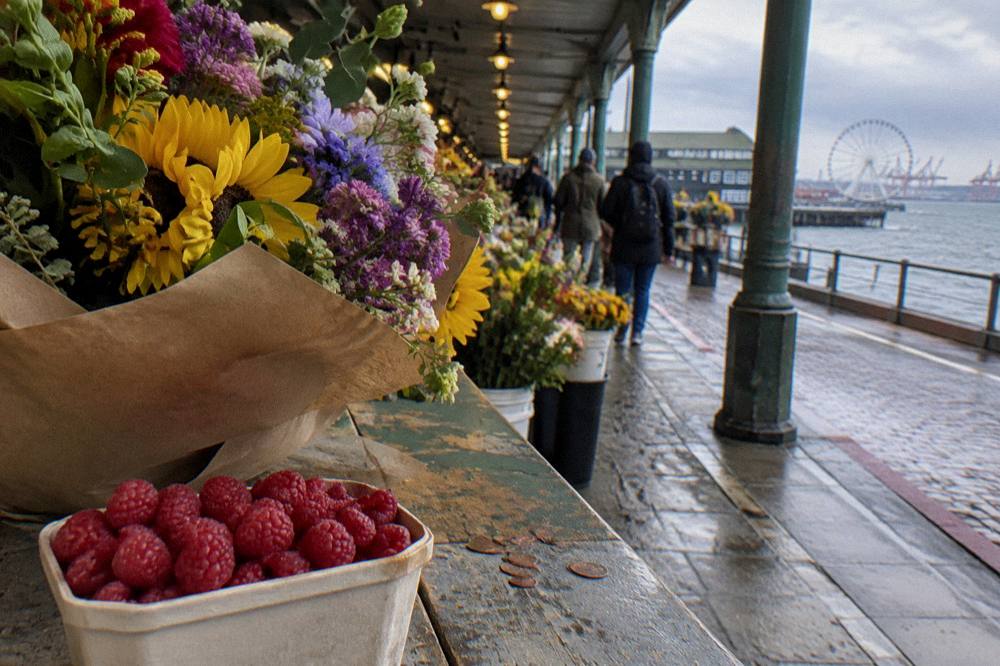
If you must pick one, pick by weather and goal. A rainy November day, when Seattle averages 6.31 inches of rain per the NOAA 1991 to 2020 normals at Sea-Tac, favors Uwajimaya's indoor floor; a dry July or August afternoon, with average highs of 77 to 78 F, favors Pike Place's open arcades. Grocery hauls are better at Uwajimaya; guided walks and photo moments are at Pike Place.
The seafood-focused option among the guided walks, Seattle Seafood Tour: A Long Lunch of Market-Fresh Tastings, runs 2 hours 15 minutes from $119 per person, rated 4.7 across 40 reviews, and covers eight seafood tastings across six market and downtown spots, including Matt's in the Market and City Fish Co. It is the closest thing to a Seattle seafood education with a guide, and like the others it starts at the market's north end rather than in the International District.
Putting The Day Together
Plan on six to eight hours door to door: start with a morning food court meal and grocery pass at Uwajimaya, walk north through Pioneer Square, and spend the afternoon at Pike Place Market, either self-guided or on one of the three booked walks above. With the regional day pass, fixed transit costs run $6.00 per adult, and the whole route stays within a mile and a half of downtown hotels, so you never need a car.
The full sequence works like this: morning dim sum or a food court meal at Uwajimaya with a grocery and bakery pass, a walk north through Pioneer Square, then the market arcades in the afternoon. Transit between the pieces is a single $3.00 adult Link ride or a short walk. Visitors with more time can add the Wing Luke Museum for the history or Hing Hay Park for a rest, and can check Visit Seattle for current neighborhood events, since street festivals in the district are announced seasonally and no event dates are confirmed here.
In short, the International District is a self-guided food destination, one of the best in the city, and Uwajimaya is its engine room. The guided walks listed here are a Pike Place and downtown proposition, and the three walks above are the ones worth your booking money.
Common Questions About Uwajimaya And The International District Markets
Is The Uwajimaya Food Court Worth Visiting?
Yes, if you want quick, inexpensive hot meals and shelves of Asian groceries under one roof. It works as a meal stop, a bakery stop and a souvenir run in a single visit, a few minutes from downtown by transit.
Can You Book A Guided Food Tour In The Chinatown-International District?
None of the tours listed here runs in the Chinatown-International District or Little Saigon. The nearest bookable option on this site is the Downtown Seattle Restaurant Tour with Drinks and Food, which starts at the Pike Place Market north end, from $135 per person for two and a half hours.
How Far Is Uwajimaya From Pike Place Market?
About a 25 to 30 minute walk or one short transit hop. Link light rail connects the Chinatown-International District station to the downtown core for a $3.00 adult one-way fare, with youth 18 and under free.
What Should You Buy To Take Home From Uwajimaya?
Shelf-stable items travel best: tea, rice crackers, boxed candy and mochi, instant noodles, sauces and kitchenware. Fresh bakery items are same-day buys, and you should check your home country's customs rules before packing any meat or fresh produce items.
What Is The History Of The International District Food Scene?
The district grew after the Jackson Street Regrade around 1910 made the land buildable, and Chinese, Japanese and Filipino communities established groceries and restaurants in the blocks around King Street. Uwajimaya dates to 1928 in Tacoma, Tai Tung to 1935, and the Wing Luke Museum, open since 1967, tells the full story from the historic East Kong Yick Building.
When Is The Best Time To Visit The District?
The district is compact and mostly indoors at Uwajimaya, so it works in any weather.